Category: Off Grid Living

  • Eco Friendly Small Space Living That Works

    Eco Friendly Small Space Living That Works

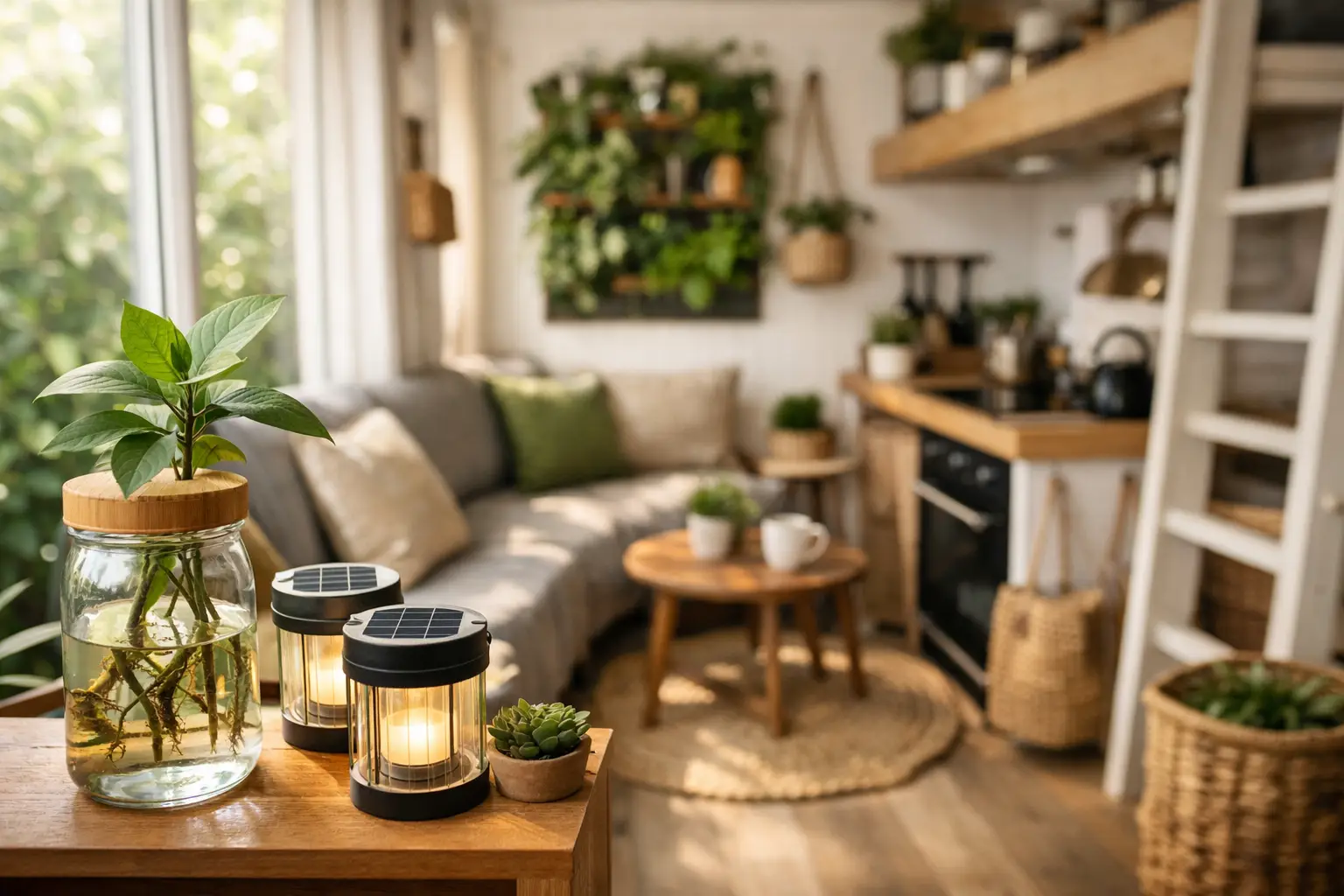
    A cramped room will expose every bad purchase you have ever made. That is the hidden advantage of eco friendly small space living – it forces clarity fast. In a smaller home, cabin, studio, or weekend retreat, every object has to earn its place, every watt matters, and comfort depends less on square footage than on smart decisions.

    That is why this lifestyle appeals to so many people right now. It is not about deprivation or making your home look like a minimalist experiment. It is about building a space that feels calm, efficient, and self-directed. When you use less space with more intention, sustainability stops being a vague ideal and starts becoming a daily practice you can actually feel.

    Why eco friendly small space living feels different

    Small-space sustainability works because limits create better habits. When storage is finite, overbuying becomes inconvenient. When energy is constrained, efficiency becomes obvious. When your home has to support rest, work, cooking, and recovery in one compact footprint, the clutter starts to look expensive.

    There is also a freedom factor that goes beyond lower utility bills. A smaller, more efficient setup can reduce dependence on oversized systems, constant consumption, and the pressure to maintain more than you need. For people building a tiny home, outfitting a cabin, or creating a solar-ready retreat, that trade often feels worth it.

    Still, small space living is not automatically eco friendly. A tiny room packed with disposable products, bad ventilation, and cheap furniture that fails in a year is still wasteful. The goal is not just less stuff. The goal is better systems.

    Start with the systems, not the decor

    The most successful compact homes are designed around daily function. That means looking first at how you cook, sleep, store gear, manage waste, and use power. A beautiful space that does not support your routine will quickly become frustrating.

    Think about flow before aesthetics. Can you move easily through the room? Can one area do more than one job without constant rearranging? Can you reach the things you use every day without unpacking half your home? These questions matter more than matching finishes.

    In eco friendly small space living, the strongest upgrades are usually invisible at first. Good insulation, efficient lighting, rechargeable power solutions, durable cookware, water-saving fixtures, and smart storage often do more for your quality of life than decorative extras. They also tend to reduce waste over time because they solve recurring problems instead of covering them up.

    Power and water shape the whole experience

    If your space is off-grid or partly independent, utilities become part of your design thinking. That is a good thing. It makes energy use tangible. LED lighting, solar-compatible charging, efficient appliances, and battery-conscious habits can make a compact setup feel capable rather than limited.

    Water matters just as much. Low-flow fixtures, simple filtration, and practical gray water awareness can reduce waste without making daily life feel restrictive. The right setup depends on whether you are in a full-time tiny home, a cabin, or a weekend escape. A short-stay retreat can tolerate a few manual workarounds. A full-time home usually needs more ease built in.

    Buy fewer things, but expect more from them

    Small spaces punish duplicates and reward durability. If an item only does one minor job, takes up too much room, or breaks easily, it becomes clutter fast. That is why quality matters so much more in a compact home.

    Look for products that are durable, repairable, and versatile. A storage bench that doubles as seating, a compact table that folds away cleanly, or a well-made lantern that works during outages and outdoor evenings carries more value than trend-driven pieces that only photograph well. Premium does not have to mean excessive. It means the product keeps solving the problem months and years later.

    Material choice matters too, but context matters more. Natural fibers, responsibly sourced wood, stainless steel, and glass often age better than cheap plastic, yet there are cases where a lightweight synthetic item is the smarter choice for mobility or moisture resistance. Eco friendly living is not about chasing purity. It is about reducing throwaway decisions.

    Storage should reduce friction, not hide excess

    Good storage makes a small home feel larger, but only if it supports real use. Under-bed bins, wall-mounted shelves, stackable containers, and built-in seating with hidden compartments can all work well. The mistake is using storage to justify keeping everything.

    A better approach is to store by frequency. Everyday items should be easy to access. Seasonal gear can live higher, lower, or farther back. If you have to excavate your kitchen to make coffee, your system is wrong.

    Open storage can help you stay honest about what you own, while closed storage can reduce visual noise. Most people need a mix of both. The right balance depends on your tolerance for visual clutter and the actual size of the space.

    Comfort is what makes sustainable choices stick

    A lot of people try to design an efficient small space and accidentally create a place that feels austere. That rarely lasts. If your home does not feel inviting, you will start looking for comfort elsewhere, often through more consumption.

    Real comfort comes from light, airflow, temperature control, and texture. Natural light can make a compact room feel calmer and larger. Cross ventilation can reduce the need for mechanical cooling in some climates. Layered textiles, insulated window coverings, and compact heating solutions can make a tiny footprint feel grounded instead of makeshift.

    This is especially true for people using smaller spaces as a form of intentional escape. A cabin or retreat should not feel like a compromise. It should feel like relief. Thoughtful essentials, quiet design, and dependable gear create that feeling more effectively than adding more stuff.

    Waste reduction gets easier when your space is small

    One of the practical strengths of compact living is that waste becomes visible. You notice when food packaging piles up. You notice when cleaning products multiply under a tiny sink. You notice when a cheap item fails and has nowhere to go.

    That visibility is useful. It pushes better routines. Refillable containers, washable cloths, concentrated soaps, reusable food storage, and compost-aware habits tend to fit naturally into a small home because they reduce both trash and storage demand. Even simple shifts, like buying staple foods in formats you can actually store and use before they expire, have a bigger impact than people expect.

    There is a trade-off here too. Buying in bulk is not always the most sustainable move if your space cannot support it or if food goes to waste. Smaller homes reward realistic purchasing, not aspirational stocking.

    Design for maintenance, not just setup day

    A compact home can look perfect on move-in day and become exhausting by month two if maintenance was ignored. Eco friendly small space living works best when cleaning, repairs, and daily reset are easy.

    Choose surfaces that wipe down quickly. Leave enough room around key areas to clean properly. Avoid furniture so heavy or awkward that it traps dust and prevents reconfiguration. If a product requires special care you know you will not keep up with, it is probably the wrong choice.

    This is where intentional buying pays off. Reliable essentials reduce replacement cycles and keep your setup stable. For people building a more independent lifestyle, that reliability is not just convenient. It protects your time and your peace of mind. That is a big part of what Off The Grid Store understands well: freedom comes from systems you can trust, not from chasing more complexity.

    The best small spaces reflect your actual life

    There is no single blueprint for doing this well. A remote worker in a backyard studio needs different solutions than a couple outfitting a weekend cabin or a solo traveler building out a tiny home. Climate, budget, mobility, and how often the space is used all shape the right decisions.

    What stays consistent is the mindset. Keep what supports the life you want. Choose materials and tools that last. Use space as a filter, not a limitation. And let sustainability show up in the practical details – lower waste, smarter energy use, fewer but better possessions, and a home that feels easier to live in every week.

    The beauty of a well-designed small space is not that it proves you can live with less. It is that it reminds you how little it takes to feel clear, capable, and at home.
  • Off Grid Cabin Power Setup Made Simple

    Off Grid Cabin Power Setup Made Simple

    A quiet cabin stops feeling peaceful the second the power setup starts fighting your plans. Maybe the lights dim when the fridge kicks on. Maybe your battery bank is drained by sunrise. Maybe you wanted a simple retreat, but your off grid cabin power setup now feels more complicated than the life you were trying to leave behind.

    The good news is that most cabin power problems come from sizing and expectations, not from the idea itself. A well-planned system can run lighting, refrigeration, water pumping, device charging, and a few comfort upgrades without turning your cabin into a science project. The key is building around how you actually use the space.

    What an off grid cabin power setup really needs to do

    Before you think about panels, batteries, or inverters, get clear on the job. A weekend cabin used two nights a month needs a very different system than a four-season retreat with internet, a mini fridge, and a water pump. The mistake is buying parts first and defining lifestyle second.

    For most modern cabin owners, power falls into three categories. The first is essential loads like lights, phone charging, a small fridge, vent fans, and water access. The second is comfort loads such as a coffee maker, laptop, TV, or small kitchen appliances. The third is occasional heavy use – things like power tools, a microwave, a toaster, or a space heater.

    That last category is where budgets get stretched. Heating and cooking with electricity in an off-grid setting is possible, but it gets expensive fast because those loads are huge. In many cabins, the smartest setup uses electricity for convenience and propane or wood for high-draw tasks. That balance keeps the system cleaner, simpler, and more affordable.

    Start with energy use, not equipment

    The cleanest way to design an off grid cabin power setup is to estimate daily watt-hours. That sounds technical, but the process is straightforward. Look at what you want to run, how many watts each item uses, and how long it runs each day.

    A few LED lights might barely register. A laptop and phone charging are manageable. A refrigerator, pressure pump, or Starlink-style internet setup can change the picture quickly. You do not need perfect precision on day one, but you do need an honest picture.

    If your daily use is light, you may only need a modest solar array and battery bank. If you expect residential-style comfort in a remote cabin, your system has to be built accordingly. There is no shame in wanting comfort. The real issue is pretending comfort runs on a minimalist system.

    A practical rule is to separate what must run every day from what can wait. That one move gives you more control than any premium component. It also helps you decide whether you need a full-time solar system, a smaller battery-based setup with generator backup, or a hybrid of both.

    The four core parts of the system

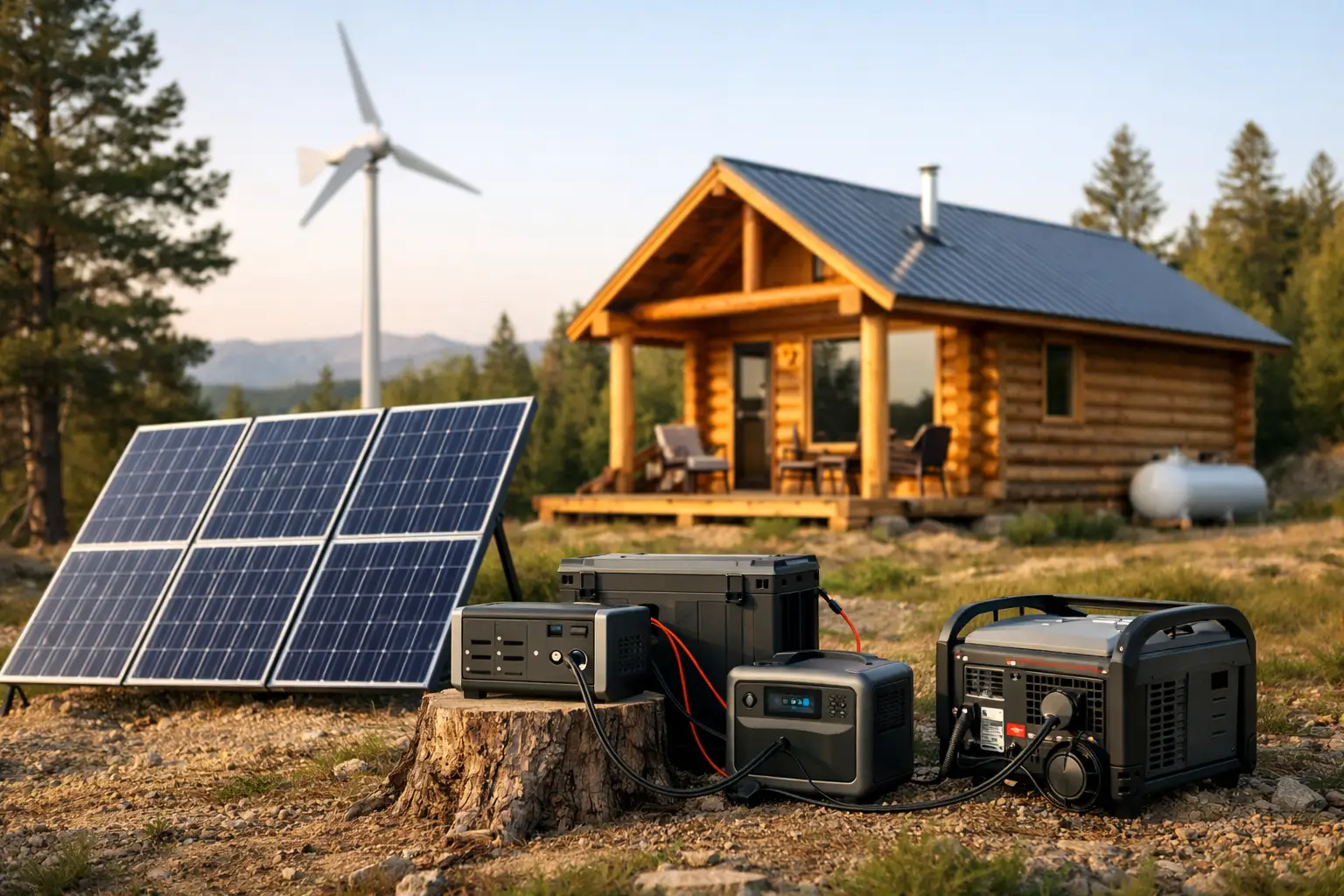
    Every cabin power system is built around the same foundation: generation, storage, conversion, and backup. Once you understand those roles, the whole setup gets easier to reason through.

    Solar panels: your primary input

    Solar is the default choice for most cabins because it is quiet, low-maintenance, and fits the off-grid lifestyle better than constant generator use. Panels recharge your batteries during daylight hours, and with the right sizing, they can keep up with regular cabin needs for much of the year.

    The catch is that solar production depends on roof angle, shading, season, and geography. A summer-only cabin in a sunny region may perform beautifully with a compact array. A wooded property in winter is a different story. If your cabin gets limited winter sun, you may need more panel capacity than expected or a secondary charging method.

    Battery bank: your buffer and backbone

    Your batteries store power for nighttime and cloudy days. In practice, this is the part of the system that determines how relaxed off-grid life feels. A cabin with enough battery storage feels stable. One with too little feels like a constant negotiation.

    Lithium batteries have become the preferred choice for many modern cabins because they are efficient, compact, and easier to live with than older lead-acid systems. They cost more upfront, but they typically offer better usable capacity and less maintenance. Lead-acid can still work for budget-conscious setups, but it asks more from the owner in terms of care, ventilation, and depth-of-discharge discipline.

    Inverter: from stored power to usable power

    If you want to run standard household AC appliances, you need an inverter. It converts DC battery power into the AC electricity your cabin uses for outlets and common devices.

    Sizing matters here. Too small, and the inverter will struggle with startup surges from appliances like fridges or pumps. Too large, and you may spend more than necessary while losing efficiency at light loads. Pure sine wave inverters are usually the right move for cabins because they are gentler on electronics and more reliable for mixed modern use.

    Backup charging: your insurance policy

    A backup generator or alternate charging source is not a failure of the off-grid concept. It is a resilience tool. During storms, heavy use weekends, or low-sun seasons, backup charging keeps the system practical.

    For some cabins, that backup only runs a few times a year. For others, especially in dense forest or northern climates, it is part of the normal seasonal rhythm. The right answer depends on location, weather, and how much uncertainty you are willing to tolerate.

    How to size an off grid cabin power setup without overbuilding

    There is a sweet spot between underpowered and excessive. A lot of first-time buyers miss it in one of two ways. They either build too small and become frustrated immediately, or they overspend on a system designed for a much larger home.

    Start by deciding how many days of autonomy you want. In plain terms, how long should the cabin function without strong solar input? A weekend retreat might be comfortable with less storage if it can fully recharge between visits. A full-time or shoulder-season cabin usually needs more battery reserve.

    Then look at your peak power moments, not just your daily average. If the fridge compressor starts while the well pump is running and someone uses the blender, can the inverter handle it? These short bursts matter.

    It also helps to think in phases. Many people do not need their forever system on day one. A modular setup lets you start with essentials and expand later as your routines become clearer. That approach protects your budget and keeps the system aligned with real use rather than wishful planning.

    Common cabin loads that change everything

    A few choices have an outsized impact on system size.

    Refrigeration is one. A high-efficiency DC fridge or modern Energy Star unit can be completely reasonable off-grid. An old spare garage fridge is not. Water systems are another. Gravity-fed water is simple, but a pressure pump adds convenience and electrical demand. Internet access is similar. If your cabin doubles as a remote workspace, connectivity becomes a serious daily load, not a minor extra.

    Climate control is the biggest fork in the road. Running electric resistance heat from solar and batteries is rarely the elegant answer people hope for. It usually makes more sense to heat with wood or propane and use electricity for fans, controls, lighting, and small comforts. For cooling, efficient fans are easy. Air conditioning is possible, but it pushes the system into a much larger class.

    Design choices that make daily life easier

    The best power systems do not just work on paper. They reduce friction.

    That means putting your battery and inverter in a protected, accessible location. It means choosing monitoring you can read without an engineering degree. It means labeling circuits clearly and keeping critical loads separate from convenience loads, so a heavy-use mistake does not take out your whole cabin.

    It also means accepting that intentional living is not the same as deprivation. You do not need to sit in the dark to prove your commitment to off-grid life. You need a setup that supports the way you want to feel when you arrive – calm, capable, and not dependent on a noisy generator to make coffee.

    This is where a lifestyle-first mindset matters. Off The Grid Store speaks to people who want independence with comfort, and that balance is exactly what a smart cabin system should deliver. Not maximalism. Not survival theater. Just well-chosen power that fits the life you are building.

    When simple is smarter than bigger

    If your cabin is mainly for weekends, keep that truth in the design. You may not need a large whole-cabin system if your main priorities are lights, charging, a small fridge, and music on the porch. On the other hand, if the cabin is your work retreat or a semi-full-time home, build for consistency from the start.

    There is no universal best off grid cabin power setup. There is only the setup that matches your climate, habits, budget, and comfort standard. The most successful cabins are not the ones with the most hardware. They are the ones where every component has a clear purpose.

    Build for the life you want to live there, not the fantasy version of someone else’s cabin. That is usually where real freedom starts.

  • Best Solar Generator for Cabin Use

    Best Solar Generator for Cabin Use

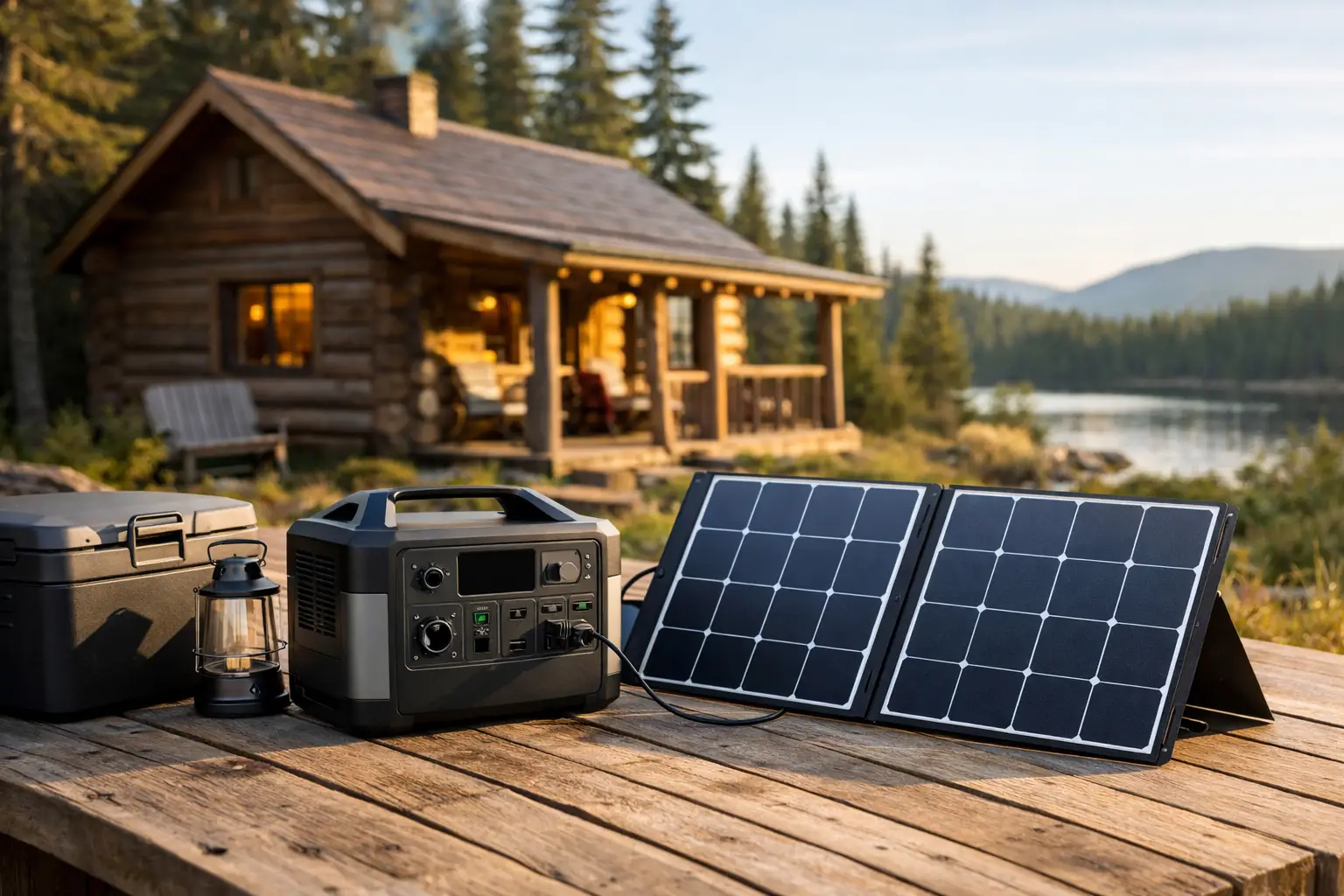
    A cabin gets a lot quieter when the power source does, too. If you are looking for the best solar generator for cabin living, the right choice is rarely the biggest unit or the most expensive one. It is the system that fits how you actually use the space – whether that means a simple weekend retreat with lights and phone charging or a more comfortable setup with a fridge, coffee maker, fans, and backup power when weather turns.

    For most cabin owners, the goal is not chasing extreme self-sufficiency. It is building a place that feels calm, capable, and easy to rely on. A good solar generator supports that feeling. It lets you power the essentials without the noise, fuel storage, maintenance, and constant interruptions that come with gas generators.

    What makes the best solar generator for cabin setups?

    The answer starts with usage, not marketing claims. A solar generator for a cabin needs enough battery capacity to cover your real daily load, enough output to run the appliances you care about, and enough solar input to recharge in a reasonable time. If one of those three is out of balance, the system feels frustrating fast.

    Battery capacity, usually measured in watt-hours, tells you how much energy you can store. Inverter output, measured in watts, tells you what the unit can run at one time. Solar input, also measured in watts, tells you how quickly you can refill the battery from panels. Cabin buyers often focus on capacity first, but output and charging speed matter just as much.

    A 2,000Wh unit sounds impressive until you realize it may not run your induction cooktop and microwave together. On the other hand, a high-output unit with a smaller battery can handle demanding appliances for only a short window. The best fit is usually a balanced system sized around your actual habits.

    Start with your cabin power style

    Cabins tend to fall into three broad categories. The first is the low-demand weekend cabin. This setup usually includes LED lighting, phone charging, a speaker, maybe a laptop, and occasional use of a small fan or portable cooler. In that case, a compact or mid-size solar generator can be enough, especially if you are visiting for a night or two and get decent sun.

    The second is the comfort-first cabin. This is where most people land. You want lights, device charging, a real refrigerator, maybe Wi-Fi, a coffee maker in the morning, and enough reserve to stay comfortable through cloudy weather. Here, a mid-size to large solar generator usually makes more sense, often paired with a strong solar panel array.

    The third is the near-full-time or highly equipped cabin. If you are running power tools, a water pump, an electric kettle, a projector, multiple appliances, or extended refrigeration, you are moving beyond casual backup and into the territory of a larger expandable system. At that point, the best solar generator for cabin life may look more like a modular power station with extra batteries rather than an all-in-one portable box.

    How much capacity do you really need?

    This is where a lot of cabin setups go wrong. People underestimate how much energy refrigeration, heating devices, and convenience appliances consume over a full day.

    If your cabin routine is simple, 500Wh to 1,500Wh can work. That is enough for lights, charging, and lighter electronics. Once you add a portable fridge or full-size energy-efficient refrigerator, your daily demand can jump significantly. A comfortable weekend cabin often lands in the 1,500Wh to 3,000Wh range, especially if you want margin instead of constantly watching the battery percentage.

    If your cabin is a regular retreat and you want it to feel effortless, more storage usually feels better. Not because you need to live extravagantly, but because battery anxiety takes away from the whole point of being there. A larger unit gives you room for weather changes, longer stays, and those little moments of comfort that make the space feel finished.

    That said, bigger is not always better. A massive power station can cost far more, weigh a lot, and take longer to recharge if you do not have enough panel capacity. Oversizing without the solar input to support it can leave you with expensive stored potential that is slow to recover.

    The features that matter most

    For cabin use, battery chemistry matters. Lithium iron phosphate batteries are generally the stronger choice. They last longer, handle repeated charging better, and are a better fit for people who plan to use the system often over several years. If you are building a reliable retreat rather than buying a gadget for occasional tailgating, that longer lifespan is worth paying attention to.

    Port selection matters, too, but probably less than you think. AC outlets are the priority for most cabins, followed by USB-C and standard USB ports for personal devices. A regulated 12V car port can be useful for portable fridges and some cabin accessories. The key is having the outlets you will actually use in the places you need them.

    Charging flexibility is another major factor. The best cabin systems can charge from solar, wall power, and often a vehicle. Wall charging is useful before a trip. Solar charging is what gives you independence once you arrive. Fast solar input becomes especially valuable if your cabin sits in a wooded area or you only get a shorter window of direct light.

    Weather and portability also deserve a quick reality check. Many solar generators are portable in the technical sense, but not pleasant to carry far. If your parking area is not close to the cabin, weight and handle design matter. If the unit will stay in one place, portability becomes less important than battery life, expandability, and ease of setup.

    Best solar generator for cabin buyers: choose by use case

    If your cabin is mostly for quiet weekends, choose a smaller unit with enough headroom for comfort. You do not need a huge system to power lights, charge devices, run a fan, and support a few evening essentials. In this scenario, silent operation and quick setup matter more than maximum output.

    If your cabin is where you go to reset without giving up modern basics, a mid-size unit is often the sweet spot. This is the category that works well for most people. It can handle a fridge, lights, coffee prep, device charging, and some overlap between appliances without turning power management into a chore.

    If your cabin is a serious second living space, look for expandability first. Extra battery support, stronger inverter output, and high solar input will matter more than compact design. You are not just buying backup power at that point. You are building a small energy system.

    This is also where brand trust matters. The best option is not simply the one with the most dramatic headline specs. Good support, clear warranties, realistic charging claims, and a stable app or display can make daily use much better. That is especially true for off-grid living, where reliability feels personal.

    Don’t forget the solar panels

    A solar generator without enough panel input is only half a solution. Cabin owners sometimes buy a capable power station and pair it with too little solar, which creates a cycle of partial charging and limited independence.

    Panel size should match how long you stay, how much energy you use, and how much sun your site actually gets. A weekend cabin with modest consumption can get by with a lighter panel setup. A cabin with refrigeration and daily use usually needs a more serious array. Shade changes everything, so be honest about tree cover, seasonality, and weather patterns.

    Portable folding panels are convenient and easy to store, but fixed panels often make more sense if your cabin has a stable layout and regular use. Portable panels are flexible. Fixed panels are usually better for consistency. It depends on whether your setup is mobile, seasonal, or more permanent.

    Common mistakes to avoid

    One mistake is buying for emergency fantasies instead of daily reality. If your actual goal is a better weekend escape, prioritize usability and recharge speed over extreme output.

    Another is ignoring surge power. Some appliances draw a lot more wattage when starting up than when running. Refrigerators, pumps, and tools can trip a system that looks sufficient on paper.

    A third is forgetting cold weather. Battery performance can drop in low temperatures, and some units have charging limitations in freezing conditions. If your cabin gets winter use, make sure the system is rated for it and think through where the unit will be stored.

    Finally, do not underestimate ease of use. A cabin power system should reduce friction, not add another layer of troubleshooting. Clear displays, intuitive controls, and straightforward setup go a long way.

    A smarter way to buy

    The best solar generator for cabin life is the one that matches your rhythm. Start with what you want your time there to feel like. Quiet mornings with coffee and music. Reliable refrigeration. Lights that just work. Enough reserve to stay another day when you do not feel like heading back.

    That mindset leads to better buying decisions than chasing the biggest number on a spec sheet. And if you are building your setup through a trusted source like Off The Grid Store, the right system becomes more than a product choice. It becomes part of a more intentional way to live – simpler, quieter, and fully your own.

    Choose a system that gives you room to exhale, not one that keeps asking for your attention.

  • 10 Modern Off Grid Home Ideas That Work

    10 Modern Off Grid Home Ideas That Work

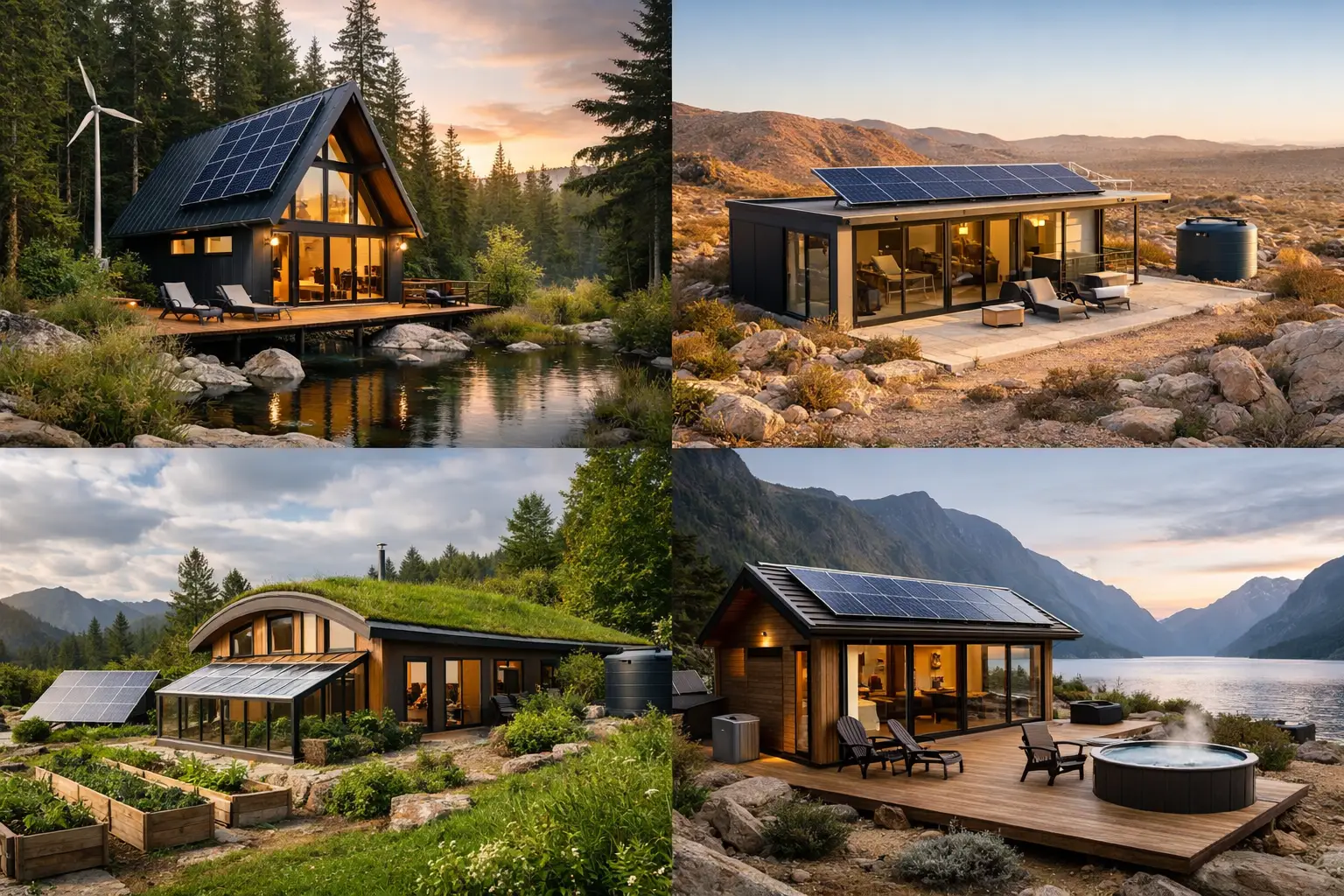
    The best modern off grid home ideas do not start with solar panels. They start with a question: what do you want this home to protect you from – noise, high utility costs, constant connectivity, or dependence on systems you do not control? Once that answer is clear, the design gets easier. A strong off-grid home is not a rough compromise. It is a deliberate space built for comfort, resilience, and a little more breathing room.

    A lot of people picture off-grid living as either a stripped-down cabin or a high-budget architectural experiment. Most real homes land somewhere in between. The sweet spot is thoughtful design that reduces demand, supports independence, and still feels calm, modern, and easy to live in.

    Modern off grid home ideas that improve daily life

    The most useful ideas are the ones that make everyday living simpler. Off-grid design works best when it lowers the amount of energy, water, maintenance, and attention your home requires. That is what gives you freedom.

    1. Build smaller, but make it feel bigger

    A smaller footprint is one of the smartest choices in off-grid design. It lowers heating and cooling loads, reduces material costs, and makes solar and water systems more manageable. But smaller should not feel cramped.

    Open sight lines, higher ceilings, large windows, and built-in storage can make a compact home feel surprisingly generous. One well-designed 500 to 800 square foot home often lives better than a larger house with wasted space. The goal is not minimalism for its own sake. It is efficiency without friction.

    2. Let passive solar design do more of the work

    Modern comfort starts with how the house sits on the land. If you can orient the home to capture winter sun and reduce summer heat gain, your mechanical systems do not have to work as hard. South-facing windows, roof overhangs, thermal mass flooring, and strategic shading can make a big difference.

    This is one of the most overlooked modern off grid home ideas because it is less flashy than batteries or appliances. But it can save money upfront and lower long-term energy demand. The trade-off is that site conditions matter. Trees, slope, climate, and local weather patterns all influence what works.

    3. Choose an all-electric, solar-ready setup

    If your goal is energy independence, all-electric design is often the cleanest path. Induction cooking, efficient mini-splits, heat pump water heaters, and DC-friendly systems pair well with solar and battery storage. You simplify fuel logistics and create a home that can run on one integrated energy system.

    That does not mean every home should avoid propane or wood heat. In colder regions, a backup heat source can still make sense. But many people find that a solar-first electric setup gives them the control and simplicity they want, especially for cabins, tiny homes, and weekend retreats.

    4. Prioritize insulation over oversized power systems

    It is tempting to think bigger solar solves everything. Usually, better insulation is the smarter first move. A tightly built shell with quality windows and air sealing reduces the amount of power you need in the first place.

    That changes the math on your entire system. Smaller loads can mean fewer panels, less battery storage, and lower replacement costs later. It may not be the most exciting line item in the budget, but it is one of the most valuable.

    Design for independence, not just aesthetics

    A modern off-grid home should look good, but the real win is when the design quietly supports your routines. The kitchen works when the power budget is tight. The bathroom still feels comfortable when water use matters. Storage is built around what you actually use.

    5. Create a kitchen that respects energy and space

    The off-grid kitchen has changed. It no longer has to feel improvised or overly rustic. A modern version is clean, compact, and efficient. Think drawer-style refrigeration, induction cooking, multi-use appliances, and cabinetry that keeps counters clear.

    The trick is being honest about how you live. If you cook daily, make the kitchen a priority. If this is a weekend basecamp, you may need less than you think. Energy-hungry appliances are not automatically wrong, but they should earn their place.

    6. Use water-smart bathrooms that still feel premium

    Water is often the system that shapes off-grid life the most. That is why smart bathroom design matters. Low-flow fixtures, compact layouts, on-demand hot water, and easy-clean materials help reduce waste without making the space feel basic.

    Composting toilets appeal to some homeowners because they reduce septic needs and lower water use. Others prefer a conventional septic setup for familiarity and resale value. It depends on your location, budget, and tolerance for hands-on maintenance. There is no single right answer, only the option that best matches your comfort level and property conditions.

    7. Design storage into the structure

    Clutter feels louder in a small off-grid home. Built-in benches, under-bed drawers, wall niches, mudroom cabinets, and vertical pantry storage can make the home feel calmer without adding square footage.

    This matters more than people expect. When your space is limited, every loose item competes with your sense of ease. Good storage is not just about organization. It protects the simplicity you wanted from the start.

    Systems that support a modern off-grid lifestyle

    The best off-grid homes balance beauty with reliable infrastructure. You do not need to turn your home into a science project, but you do need systems that match your actual use.

    8. Build a layered power system

    A dependable setup usually includes solar, battery storage, and a backup plan. That backup could be a generator, a secondary charging source, or simply a lower-demand lifestyle with enough reserve built in. Layering matters because weather changes, usage shifts, and real life is rarely perfect.

    A weekend cabin can get by with a lighter system than a full-time family home. A home office changes the equation again. If you rely on internet access, refrigeration, medical devices, or climate control, design around your non-negotiables first. Everything else comes after.

    9. Think beyond one water source

    Rain catchment, wells, storage tanks, filtration, and gray water reuse can all play a role depending on your region. The strongest setups are rarely built around a single point of failure. Even a modest backup water plan adds resilience.

    This is where climate makes a huge difference. In some parts of the US, rainwater collection can meaningfully support a household. In others, you will need a well and substantial storage. Modern design here means planning for reliability, not pretending every property has the same natural advantages.

    10. Add a flexible indoor-outdoor zone

    One of the simplest ways to improve an off-grid home is to extend living space outside. Covered decks, screened porches, outdoor kitchens, and shaded workspaces reduce pressure on the interior and make small homes feel more expansive.

    They also support the lifestyle side of off-grid living. Morning coffee outside, gear storage near the entry, a place to rinse off after the trail, or a quiet corner away from screens – these details shape how the home feels to live in. In mild climates, an outdoor room can do as much work as an interior addition for a fraction of the cost.

    What separates a good idea from a useful one

    The strongest off-grid homes are not built around trends. They are built around trade-offs the owner understands and accepts. Floor-to-ceiling glass looks beautiful, but too much can hurt thermal performance. A bigger battery bank sounds reassuring, but it may be unnecessary if your energy habits are already efficient. Reclaimed materials can add character, but they may also add labor and complexity.

    That is why the best approach is usually selective, not extreme. Choose a few high-impact upgrades that support your version of freedom. Maybe that means a compact solar-powered retreat with a refined interior. Maybe it means a family cabin with durable finishes, strong storage, and room to work remotely for a few days at a time. Maybe it means a full-time home designed to keep utility dependence close to zero without sacrificing comfort.

    For many people, the modern version of off-grid living is not about disappearing. It is about deciding what gets your energy and what does not. A well-designed home makes that decision easier every day.

    If you are planning your own setup, start with the systems and spaces you will rely on most, then build outward with intention. The right home does not just help you live off the grid. It helps you live with more clarity once you get there.

  • How to Start Off Grid Living the Smart Way

    How to Start Off Grid Living the Smart Way

    The fantasy usually starts with a cabin, a view, and no notifications. The reality of how to start off grid living is a little less cinematic and a lot more practical. That is good news. If you want more freedom, lower noise, and a home base that runs on your terms, off-grid living does not have to begin with a giant leap. It starts with clear decisions about what kind of independence you actually want.

    For most people, the best path is not selling everything and disappearing into the woods next month. It is building an off-grid setup that fits your life now, then expanding it with confidence. A weekend cabin, a tiny home, a solar-ready backyard studio, or a rural property with partial self-sufficiency can all be valid starting points. The goal is not to prove something. The goal is to create a lifestyle that feels calmer, more resilient, and more intentional.

    How to start off grid living without overcomplicating it

    The first decision is not about gear. It is about your version of off-grid. Some people want full independence from utility lines. Others want a retreat that can run comfortably for long weekends. Some are trying to lower monthly costs, while others care more about privacy, sustainability, or digital distance.

    That distinction matters because it shapes every choice after it. A family planning full-time off-grid living will need a very different power, water, and storage plan than a couple outfitting a design-forward cabin for regular escapes. If you skip this step, it is easy to overspend on systems you do not need or underestimate the basics you absolutely do.

    Start by defining your baseline. How many people will use the space? Will you live there full time, seasonally, or on weekends? What comforts are non-negotiable? For some, that means a real shower, refrigeration, and climate control. For others, it means lights, charging, and a quiet place to sleep. There is no single right answer, but there is a right answer for your lifestyle.

    Start with shelter, then build your systems around it

    A lot of people think off-grid living begins with solar panels. In practice, shelter comes first. The structure determines your energy demand, storage needs, heating and cooling strategy, and even your water use.

    If you are starting from scratch, smaller is usually smarter. A compact cabin, tiny home, trailer, or simple prefab is easier to power, easier to heat, and cheaper to maintain. It also forces you to be more intentional about what you bring into the space. That simplicity is part of the appeal.

    The trade-off is comfort margin. Small spaces can overheat faster in summer, feel cramped if the layout is poor, and make storage more important than people expect. Design matters more off-grid because every square foot has a job to do. Good insulation, smart ventilation, and durable materials will often improve daily life more than flashy upgrades.

    If you already have a cabin or rural property, assess what can realistically be adapted. Some structures are close to off-grid ready with only a few system upgrades. Others may look charming but require major investment in weatherproofing, plumbing, or power.

    Power is where most people should begin

    If you are wondering how to start off grid living in a way that feels manageable, begin with electricity. Power affects lighting, food storage, communication, work, comfort, and safety. It is also the system people tend to overestimate or underestimate the most.

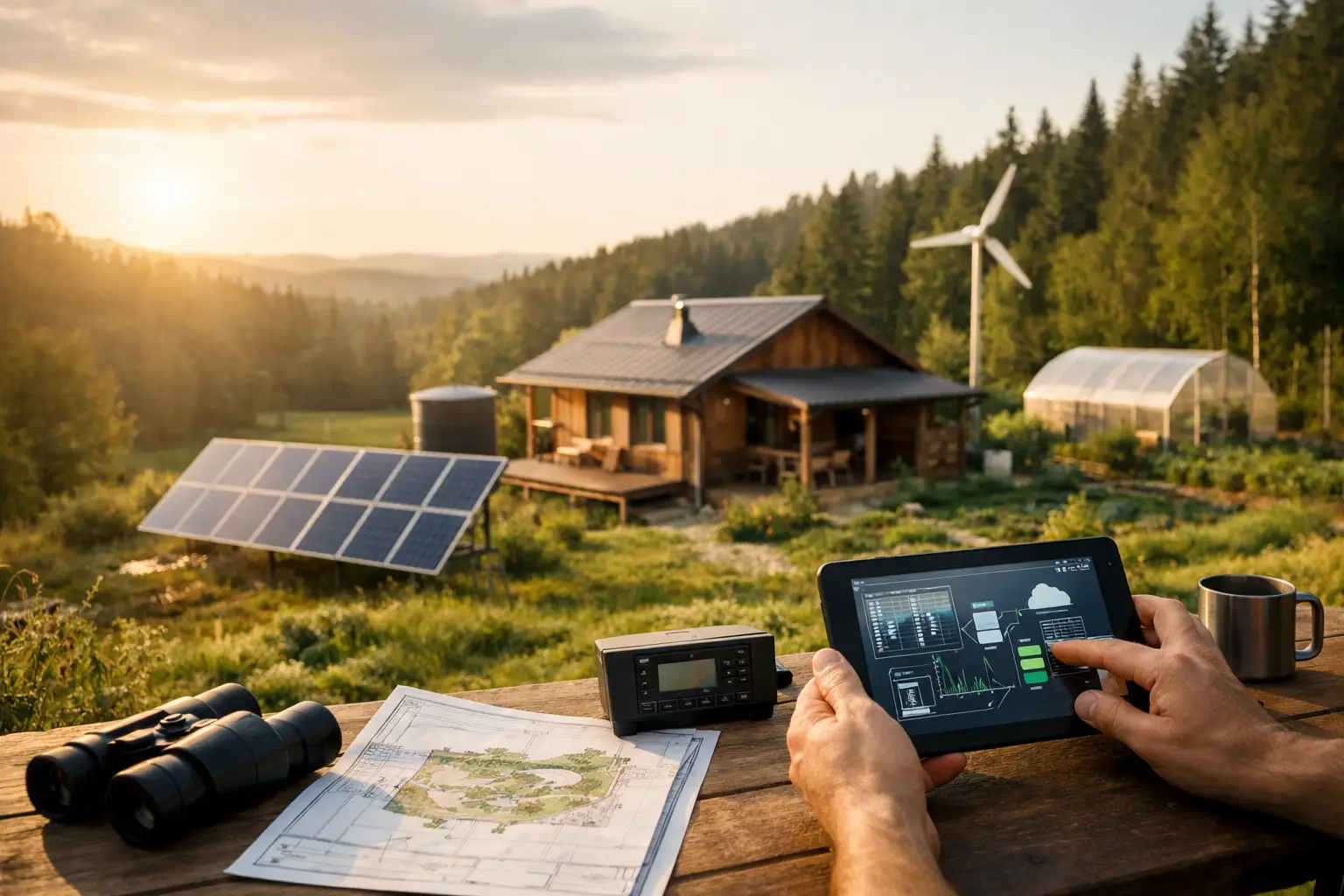
    For modern off-grid living, solar is the usual starting point because it is quiet, renewable, and increasingly practical. But a solar setup is only as good as the plan behind it. You need to know what you will power each day, when you will use it, and how much backup you want when weather shifts.

    Think in terms of loads, not fantasies. A few LED lights, device charging, a fan, and a small fridge are one level of demand. Adding an induction cooktop, water pump, air conditioning, or electric heat changes the equation fast. Many first-time off-gridders get further by reducing demand before adding more generation. Efficient appliances, thoughtful routines, and passive heating or cooling can save you from building an oversized system.

    Battery storage matters just as much as panel capacity. It is what gives you stability when the sky does not cooperate. A backup generator may still make sense, especially for full-time setups or areas with long stretches of cloud cover. That does not mean your lifestyle failed. It means your system is realistic.

    Water and waste need more attention than people expect

    Power gets the attention, but water determines whether a setup is truly livable. Before you commit to a property or a build, understand where water will come from, how it will be stored, and how wastewater will be handled.

    Depending on your location, that could mean a well, rainwater catchment, hauled water, or a combination. Each option comes with trade-offs. Wells can be reliable but costly to drill. Rainwater systems can work beautifully in the right climate but require storage, filtration, and seasonal awareness. Hauled water is simple to start with but less convenient over time.

    Then there is waste. Composting toilets, septic systems, and gray water strategies all have their place, but local rules matter. Off-grid living can feel free, but it is not lawless. County codes, land use restrictions, and health regulations can shape what is possible long before you install anything.

    This is one of the least glamorous parts of the process, but it is also where confidence comes from. When your water and waste systems are dependable, everything else feels easier.

    Budget for the setup you can sustain

    Off-grid living can save money over time, but getting started is rarely as cheap as social media makes it look. Land, structure, solar equipment, batteries, plumbing, storage, tools, and site prep add up quickly. The smarter mindset is not cheapest possible. It is best value for the lifestyle you want to maintain.

    That often means phasing your investment. Start with core systems that improve function right away, then add comfort upgrades as you learn how you actually live in the space. Maybe you begin with a modest solar setup, efficient lighting, portable water storage, and a compact fridge. Later, you add expanded battery storage, better outdoor infrastructure, or upgraded interior finishes.

    Buying everything at once can feel efficient, but it also increases the odds of buying the wrong things. Off-grid life becomes more refined when it reflects your real routines, not your first burst of enthusiasm.

    Learn your patterns before you go fully off-grid

    One of the best ways to start is to test your setup in stages. Spend weekends in your cabin without relying on the grid. Use your tiny home systems exactly as you would if utility power disappeared. Track what drains the battery, what runs out too fast, and what you miss.

    This trial period does two things. First, it exposes weak points while the stakes are low. Second, it helps you separate true needs from convenience habits. Sometimes you discover that you need more refrigeration or better lighting for work. Other times, you realize you are happier with less than you thought.

    That learning curve is not a setback. It is the process. Off-grid living is not about getting everything perfect on day one. It is about building a space that supports freedom without constant friction.

    Keep comfort in the plan

    There is a difference between intentional simplicity and low-grade discomfort. If you want your off-grid lifestyle to last, comfort has to be part of the design. That includes warmth in winter, shade in summer, reliable cooking, clean water, and enough storage to stay organized.

    Modern off-grid living works best when it feels calm and functional, not like a punishment. That is especially true if you work remotely, host family, or plan to spend long stretches in the space. A well-chosen mattress, efficient ventilation, layered lighting, and durable kitchen basics can make a bigger difference than people expect.

    This is where a curated approach helps. Brands like Off The Grid Store resonate because they treat off-grid living as a real lifestyle, not a gimmick. The right essentials should support independence while still feeling well made, practical, and at home in a modern space.

    Freedom comes from preparation, not improvisation

    There is a version of off-grid living built on extreme self-denial and constant troubleshooting. That is not the only version, and for most people it is not the most sustainable one. The better path is clear planning, measured upgrades, and systems that match the life you want to live.

    Start smaller than your imagination, but smarter than your fear. Build the setup that gives you room to breathe, enough power to stay steady, and enough simplicity to remember why you wanted this in the first place. The quiet you are after is easier to reach when your foundation is solid.