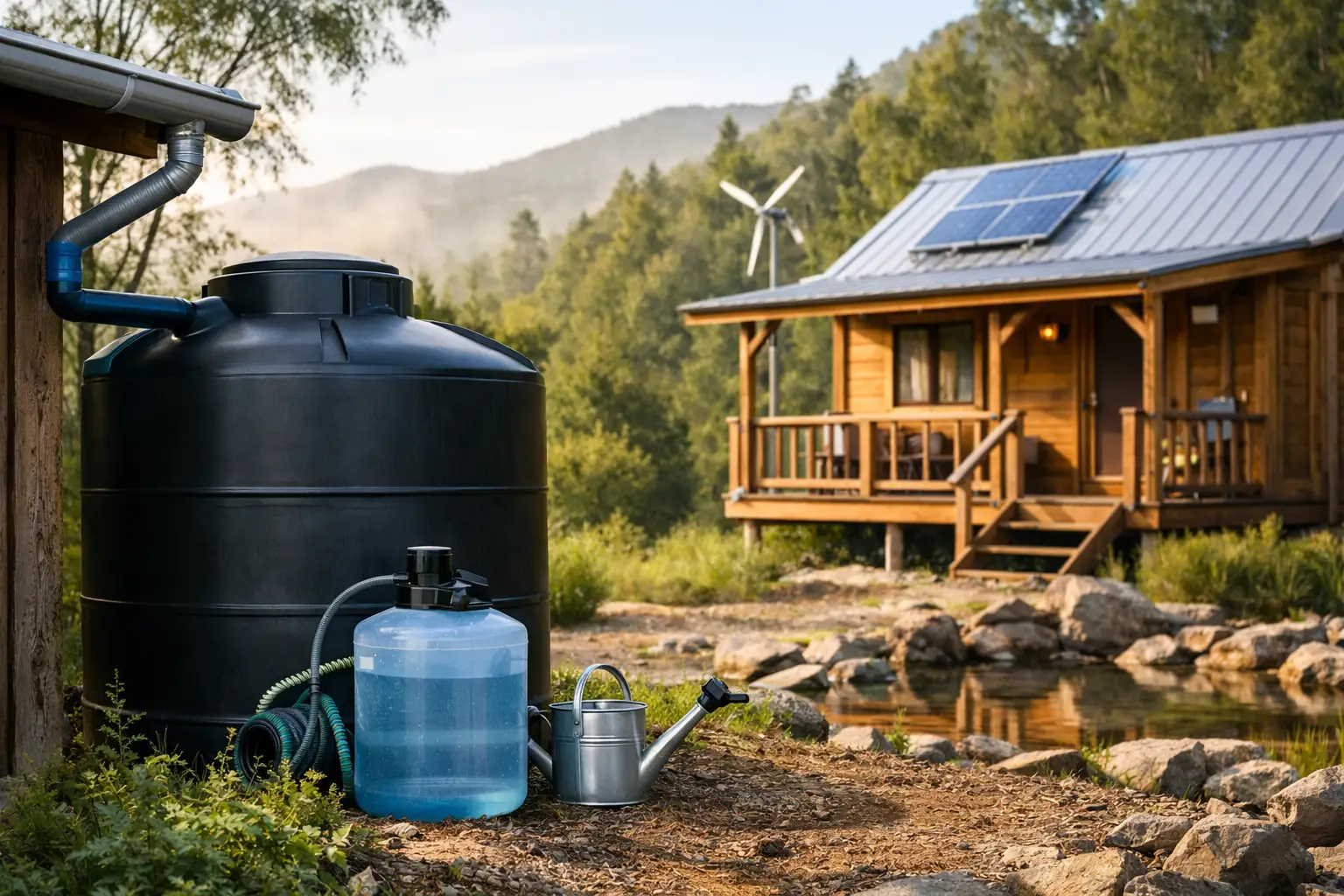
A quiet cabin loses its appeal fast when the water runs low. If you are planning water storage for off grid cabin living, the goal is not just having a tank – it is building a system that feels reliable on an ordinary Tuesday, during a summer heat wave, and in the middle of a frozen January weekend.
That reliability starts with a simple mindset shift. Water storage is not one product. It is a chain made up of source, storage, delivery, treatment, and backup. When one weak link gets overlooked, the whole setup feels harder than it should.
What good water storage for off grid cabin living really looks like
The best systems are sized for your actual lifestyle, not an imagined version of extreme minimalism. A weekend cabin used by two adults has very different needs than a full-time tiny home with a shower, composting toilet, laundry, and guests dropping in. Good planning keeps you comfortable without overspending on tank capacity you will never use.
For most cabin owners, the real question is daily use. Drinking and cooking use less water than people expect. Showers, dishes, laundry, and flushing toilets are what push storage needs up quickly. If your cabin is designed around conservation, you may only need a modest reserve. If you want a more residential experience, storage needs rise fast.
A practical rule is to estimate daily use per person, then build in a buffer for weather, visitors, and delays in refilling. That buffer matters. Off-grid comfort comes from margin.
Start with your water source
Before choosing a tank, get clear on how water reaches your property. Most off-grid cabins rely on one of four approaches: hauled water, rainwater collection, a well, or nearby surface water that requires careful treatment. Each one changes how you should think about storage.
Hauled water usually requires larger storage because refill timing depends on trips, delivery schedules, road access, and season. Rainwater collection can work beautifully in the right climate, but it is tied to roof area, rainfall patterns, and seasonal variability. Wells offer the most convenience when the yield is dependable, but many off-grid wells still benefit from storage tanks to reduce pump cycling and hold reserve water during outages or maintenance. Surface water sounds abundant, but treatment complexity makes it a less casual option than many first-time cabin owners assume.
If your source is inconsistent, storage becomes more important. If your source is strong and year-round, your storage can be smaller and more streamlined.
How much water storage do you need?
Sizing is where people either underbuild and feel stressed, or overbuild and spend money on space they did not need to give up. A weekend retreat may be comfortable with enough capacity for several days of normal use plus emergency reserve. A full-time cabin usually benefits from at least a week or more of usable storage, especially if weather or access can interrupt refills.
As a rough planning range, low-use cabins may land around 15 to 30 gallons per person per day, while more comfort-oriented setups can move beyond that. If you use a standard shower, wash dishes conventionally, or run a small washing machine, your total climbs quickly. If you rely on low-flow fixtures, short showers, and intentional habits, you can stay on the lower end.
It also helps to separate potable water from general-use water. Some cabin owners keep a smaller, carefully filtered drinking-water reserve and a larger tank for washing and cleaning. That approach can make treatment simpler and reduce pressure on your highest-quality water supply.
Choosing the right tank for an off-grid cabin
Tank material and placement affect cost, maintenance, and year-round usability. Polyethylene tanks are popular because they are durable, relatively lightweight, and well suited to many cabin applications. They work for both indoor and outdoor placement, though cold-weather performance depends heavily on insulation and freeze protection.
Above-ground tanks are easier to install and inspect, but they are more exposed to temperature swings and sunlight. Underground cisterns protect water from freezing and UV exposure better, but installation is more expensive and site conditions matter. Interior tanks, tucked into a utility room, crawlspace, or insulated enclosure, are often the simplest answer for smaller cabins because they stay more stable through the seasons.
Food-grade materials matter if the water will be used for drinking. Opaque tanks are also worth prioritizing because they help reduce algae growth. A tank that looks sleek but allows too much light in will create more maintenance over time.
Placement matters more than people expect
Where you put the tank shapes the entire user experience. Water is heavy, so structural support is non-negotiable. A gallon weighs more than eight pounds, which means even a modest tank carries serious load. Floor strength, pad preparation, and access for delivery or maintenance all need attention early.
Placement also affects pressure. Gravity-fed systems can work well when a tank sits above the point of use, but many cabins rely on a 12V or 120V pump with a pressure tank for a more familiar sink and shower experience. If comfort matters to you, this is one place where thoughtful design pays off every day.
Keep the plumbing run as simple as possible. Every extra bend, fitting, and exposed section adds friction, cost, and potential freeze points. Clean, compact layouts are easier to winterize, easier to troubleshoot, and generally better aligned with the off-grid principle of less to manage.
Filtration and treatment are part of storage
Stored water is only as useful as it is safe. That does not mean every cabin needs an elaborate treatment plant, but it does mean water quality should be planned from the beginning. The right setup depends on your source and how the water will be used.
Rainwater and hauled water often benefit from sediment filtration plus disinfection or fine filtration before drinking. Well water may need testing for minerals, bacteria, or local contaminants. Surface water usually requires the most serious treatment and should never be treated casually.
Even clean water can degrade in storage if tanks are dirty, vents are unsecured, or temperatures swing too much. Lids should seal well, overflow lines should be screened, and tanks should be cleaned on a regular schedule. If you want a cabin that feels easy to use, maintenance should be simple enough that you will actually do it.
Planning for winter changes everything
Four-season cabins need a different level of planning than fair-weather escapes. Freezing temperatures can turn a perfectly good water system into a seasonal headache if pipes, pumps, and tanks are exposed or poorly insulated.
If your cabin is used year-round, protect vulnerable components with insulation, heat tape where appropriate, and conditioned or enclosed utility spaces. If your cabin sits empty for long stretches in winter, a drain-down strategy may be smarter than trying to keep everything warm. The right choice depends on how often you visit, how cold your climate gets, and whether your power system can support freeze protection consistently.
This is one of those areas where simplicity often wins. A slightly smaller, interior tank with shorter plumbing runs may outperform a larger, more complicated outdoor setup once winter arrives.
Build in backup, not just capacity
A resilient cabin water system includes a Plan B. That might be a secondary storage tank, a portable reserve for drinking water, a manual transfer option, or a backup pump. If your setup depends on solar power, think through what happens after several cloudy days or during maintenance.
Backup does not have to mean overbuilding. It means giving yourself options. A few extra gallons of potable water, a simple level gauge, and the ability to bypass one failed component can make the difference between a minor inconvenience and a trip cut short.
That is also why many modern off-grid homeowners choose systems that are intentionally a little more refined. The point is not to recreate suburban excess in the woods. It is to create a calm, functional environment that supports the way you actually want to live.
A smarter way to choose your setup
If you are deciding between tank sizes or system styles, start with your lifestyle first. How often are you there? How many people use the cabin? Do you want quick weekend simplicity or full-time comfort? Are you designing around a digital detox retreat, a tiny home rhythm, or a family basecamp?
Those answers matter more than chasing the biggest tank or the most technical solution. At Off The Grid Store, that is the lens that makes off-grid living feel practical instead of overwhelming. The best water system is the one that matches your habits, your climate, and your standard of comfort with enough margin to keep life feeling spacious.
A well-planned cabin water setup gives you something bigger than convenience. It gives you confidence to settle in, slow down, and stay a little longer.