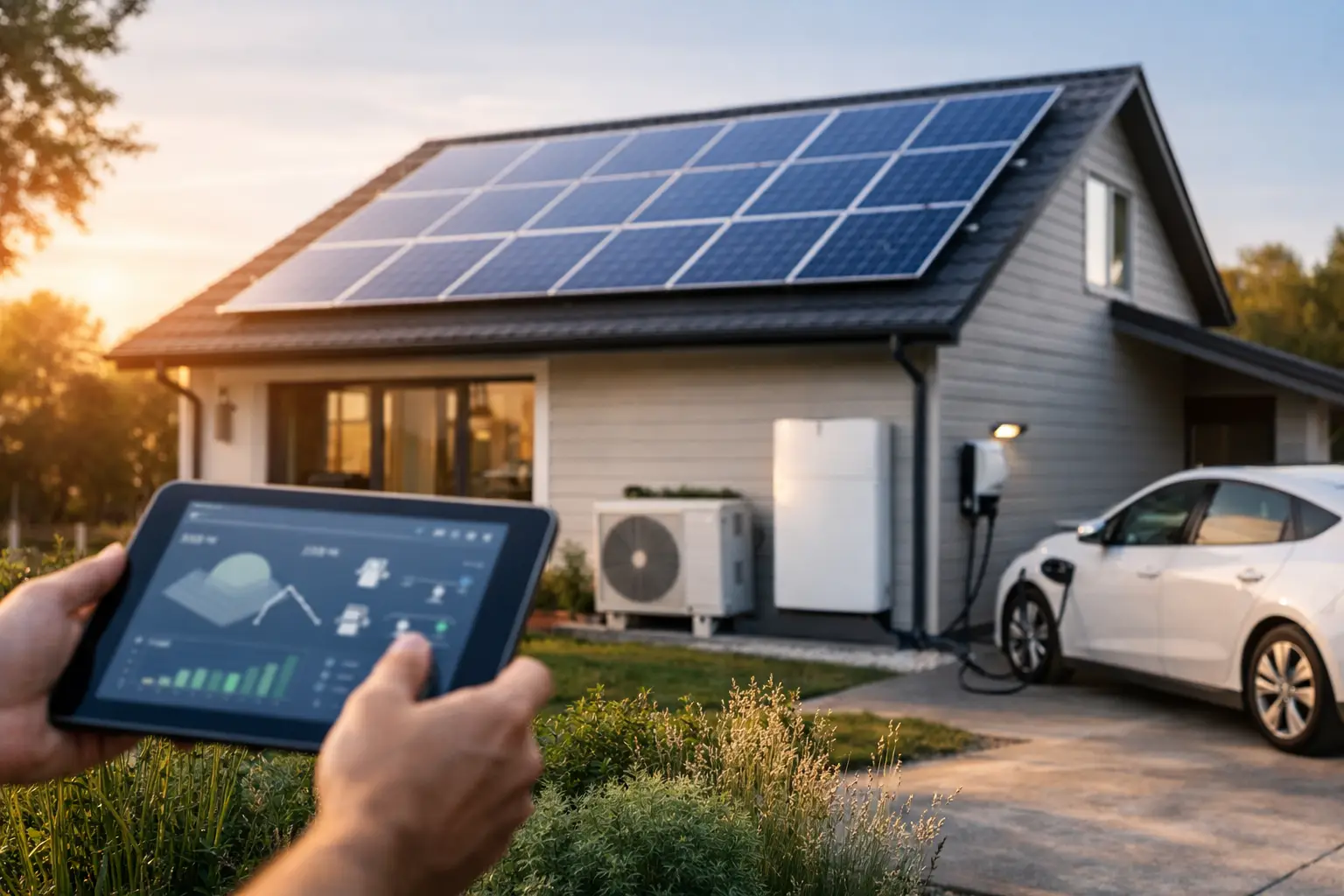
A solar panel on the roof is a promising start, but it does not automatically make a home independent. Learning how to create solar independence means designing your power around the life you actually want to live: quiet cabin mornings, a tiny home that works without hookups, or a house that stays comfortable when the grid goes down.
The goal is not necessarily to produce every watt yourself on every day of the year. For many people, solar independence is the ability to control more of their energy, rely less on utility power, and keep essential comforts running when outside systems are unreliable. It is a practical form of freedom, built one deliberate decision at a time.
Define what independence means for your space
Start by choosing the level of independence you want. A grid-tied solar system lowers your utility bill but usually shuts off during an outage for safety. A solar-plus-battery system can keep selected loads running when the grid is unavailable. A fully off-grid system supplies all of your electricity without a utility connection, which requires more generation, more storage, and more discipline around energy use.
There is no single right answer. A weekend cabin may only need lighting, device charging, a water pump, and a compact refrigerator. A full-time tiny home may need those basics plus cooking, heating support, internet, and a workspace. A primary residence may prioritize a backup for refrigeration, medical equipment, well pumps, and a few rooms rather than every appliance in the house.
Be specific about the moments you want your system to protect. If a storm knocks out power for three days, what must remain on? If you are building a retreat to unplug, what can be left out entirely? Clear answers prevent the common mistake of buying more equipment than you need or, just as frustrating, building a system that cannot support your real routines.
How to create solar independence by measuring demand
Solar design begins with consumption, not panels. Look at your utility bills for the past 12 months if you have them, especially your highest-use months. For a cabin, van, or new tiny home, make a simple inventory of every device you expect to use, its wattage, and how many hours it runs each day.
A 60-watt laptop used for six hours consumes roughly 360 watt-hours. A 1,200-watt coffee maker used for 10 minutes consumes about 200 watt-hours. The bigger challenge is often not small electronics but heat-producing appliances: electric resistance heaters, dryers, ovens, air conditioners, and standard electric water heaters can drain a modest battery bank quickly.
Think in two measurements. Daily energy use, measured in kilowatt-hours, tells you how much solar generation and battery capacity you need. Peak power, measured in watts, tells you how large your inverter must be. A system might have enough stored energy for a full day yet still struggle to start a well pump, run a microwave, or handle several high-draw appliances at once if the inverter is too small.
This is where intentional living pays off. You do not need to sacrifice comfort to reduce demand. You can choose efficient appliances, use propane or induction strategically for cooking, heat water with a heat-pump unit, and shift demanding tasks to sunny hours. The best solar system is often the one paired with a thoughtfully designed home.
Size panels for your least forgiving season
Solar panels produce differently throughout the year. Summer output can make a system feel abundant, while short winter days, snow cover, shade, and cloudy weather reveal its limits. Design around the period when sunshine is least dependable, not the bright July day when every panel is performing at its best.
Your location, roof angle, tree cover, and panel orientation all matter. South-facing panels are often ideal in the Northern Hemisphere, but east-west arrays can make sense when you want broader production across the morning and afternoon. Ground mounts offer easier access and more control over orientation, though they require open space and may need protection from pets, wildlife, and weather.
A qualified solar professional can model local solar production and account for roof conditions, permitting requirements, and electrical code. That guidance is particularly valuable for grid-connected systems, battery installations, and any setup with a generator, transfer switch, or critical-load panel. Independence should feel empowering, not improvised.
Build storage around the outages you expect
Panels make electricity when the sun is available. Batteries make solar useful after sunset and during an outage. Their job is not only to store excess energy but to give your household a calmer response to changing weather and grid instability.
Battery capacity is usually described in kilowatt-hours. What matters is usable capacity, since battery systems retain a small reserve to protect their lifespan. If your essential loads consume 5 kilowatt-hours per day and you want two days of backup, you will need substantially more than 10 kilowatt-hours once you allow for conversion losses, changing temperatures, and a margin for real life.
Autonomy is a trade-off. More battery capacity extends your runway, but it raises the cost of the system. For a primary home, it can be more sensible to back up a dedicated set of essential circuits than to power the entire house. For a remote cabin, a generator may be a practical secondary layer for long stretches of poor weather. Using a generator occasionally does not erase the value of solar independence. It is part of building a resilient system instead of an idealized one.
Reduce waste before adding more equipment
Every watt you avoid using is a watt you do not need to generate, store, or pay for. Efficiency makes a solar setup smaller, quieter, and easier to live with.
Start with the loads that run constantly. A high-efficiency refrigerator, LED lighting, insulated windows, smart power strips, and well-sealed doors make a meaningful difference over a full year. In small spaces, ventilation and insulation deserve special attention. A compact heat pump can be far more efficient than electric resistance heat, while a shaded window or awning can reduce summer cooling demand before it reaches the thermostat.
Habits matter, too. Run laundry, dishwashing, tool charging, and water pumping when solar production is strong. Avoid stacking high-demand activities during low-light periods. These are not restrictive rules. They are simple ways of aligning daily life with your own power supply.
Choose the right system path
For many homes, a phased approach is the smartest one. Begin with an energy audit and efficiency upgrades. Add solar generation next, then battery storage when your budget and local incentives align. If you are building new, plan conduit routes, electrical-panel capacity, battery location, and roof orientation early. A few decisions made during construction can save significant cost later.
Before committing, verify local permitting, HOA rules, utility interconnection policies, and net-metering terms. These policies vary by state and utility, and they can change the financial case for exporting excess solar power. Also ask installers exactly what happens during an outage. Not every solar system provides backup power, and not every battery supports the same loads.
For cabins and compact off-grid setups, keep the system serviceable. Place components where you can inspect them, protect batteries from extreme temperatures when possible, label circuits clearly, and leave room for future expansion. Premium equipment is worth more when it remains easy to understand and maintain.
Live with your system, then refine it
The first year is a learning period. Track production, battery behavior, and the appliances that create unexpected demand. Notice how the system performs in rain, winter, and shoulder seasons. You may find that a small appliance change, an additional panel, or a revised backup-load plan delivers more value than a major upgrade.
Solar independence is not a finish line marked by a perfect percentage of self-generation. It is the confidence of knowing where your power comes from, what your space needs, and how to make thoughtful choices when conditions change. At Off The Grid Store, that kind of confidence is the point: a home, cabin, or retreat that supports more time outside, fewer unnecessary dependencies, and a life that feels distinctly your own.
Start with the loads that matter most, design for the days when sunlight is scarce, and let each improvement make your space a little more capable. The quiet payoff is not just lower reliance on the grid. It is the freedom to create a place that works on your terms.
Leave a Reply