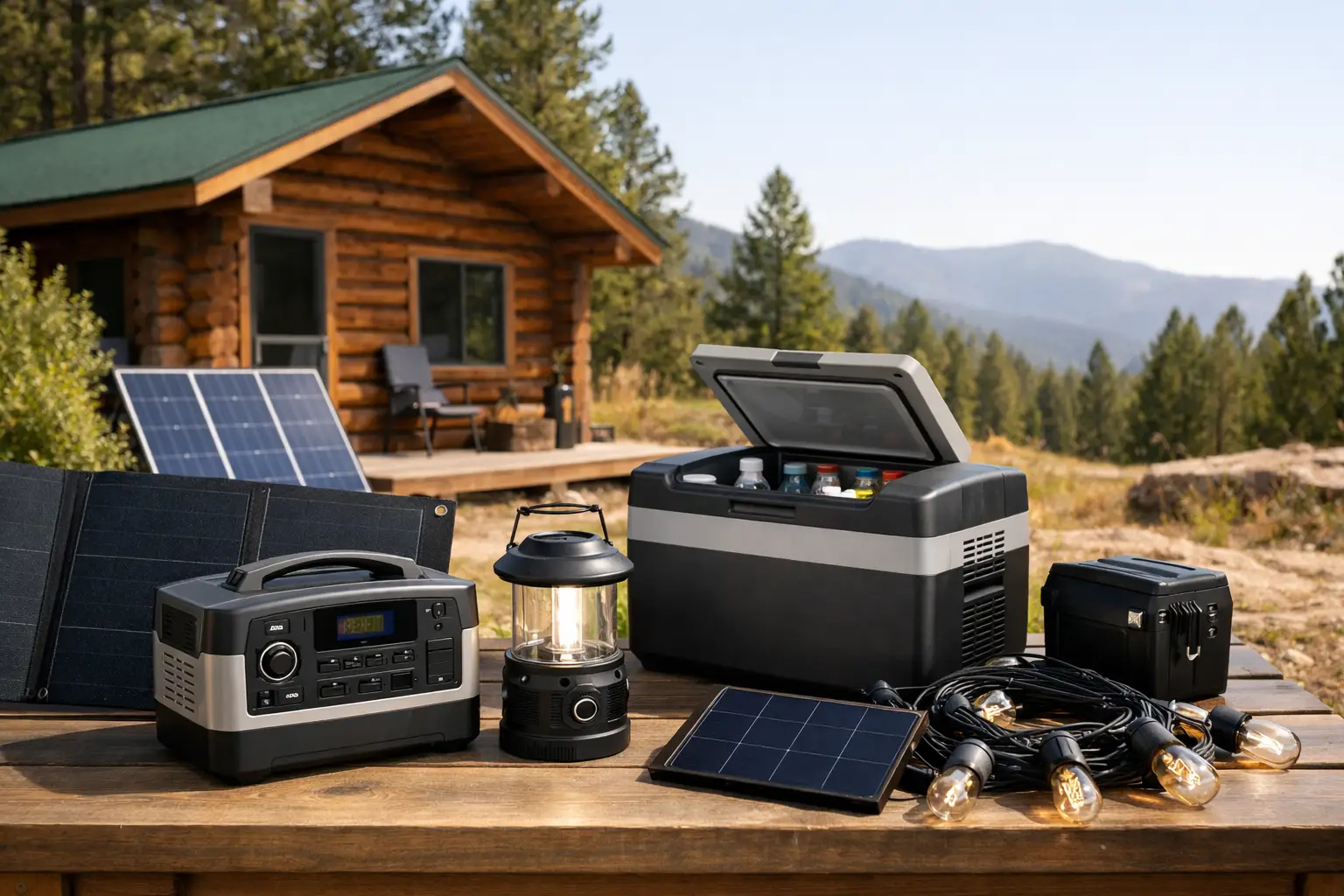
A cabin feels different when it can take care of itself. Lights that run quietly after sunset, devices that charge without relying on a noisy generator, and small comforts that work with your power setup instead of fighting it – that is usually what people mean when they want to buy solar ready cabin accessories.
The goal is not to turn your cabin into a science project. It is to choose the right add-ons so your space feels calm, capable, and easier to use every time you arrive. Solar-ready accessories matter because they reduce friction. They help you spend less time managing power and more time enjoying why you built the escape in the first place.
What solar ready really means for a cabin
When people shop for cabin gear, “solar ready” gets used loosely. Sometimes it means a product can connect directly to a small solar setup. Sometimes it means it uses low enough power to make sense in an off-grid system. And sometimes it just means the product is being marketed to anyone with a panel nearby.
For a real-world cabin setup, solar ready usually means the accessory respects the limits of independent power. It draws reasonable wattage, works well with battery storage, and does not create unnecessary conversion losses or startup surges. It also means you can actually live with it. A beautiful light fixture or mini fridge is not a smart off-grid buy if it drains your battery bank by the second morning.
That is where a little selectivity helps. The best accessories are not always the most advanced. They are the ones that match your actual rhythm – weekend stays, full-time use, seasonal visits, or a hybrid cabin that shifts between utility power and solar support.
Before you buy solar ready cabin accessories
Start with your energy reality, not your wishlist. A small weekend cabin with a portable power station has very different needs than a four-season tiny home with rooftop panels and expanded battery storage. If you skip that distinction, you can end up buying attractive gear that feels right in theory and frustrating in practice.
Think in terms of daily use. What do you need every day, what do you use occasionally, and what is simply nice to have? Lighting, charging, water pumps, fans, and refrigeration usually sit near the top. Decorative extras can come later. This order matters because foundational accessories shape the rest of your system.
It also helps to be honest about seasonality. Winter cabins need different priorities than summer retreats. Shorter daylight hours, colder batteries, and higher heating-related loads change what “efficient” looks like. In warmer months, airflow and shade can reduce the strain on your system just as much as adding more capacity.
The accessories worth prioritizing first
If your goal is reliable comfort, focus on accessories that improve daily function without creating major energy demands. Lighting is one of the easiest wins. Efficient LED cabin lighting, motion-sensor entry lights, and low-draw task lights make a space feel finished while using very little power.
Charging accessories are another smart early purchase. USB-C charging hubs, 12V charging ports, and compact inverter-friendly power strips support the way most people actually live now. Even in a digital detox setting, you still want phones, lanterns, cameras, radios, or emergency devices ready when needed.
Ventilation deserves more attention than it usually gets. A low-draw cabin fan, vent fan, or solar-compatible air circulation accessory can make a small space dramatically more comfortable. This is especially true in lofted cabins, tiny homes, or insulated spaces that hold heat well but need help moving air.
Water-related accessories often separate a rough setup from a genuinely livable one. Depending on your cabin, that might mean an efficient water pump, a pressure accessory designed for low-energy use, or freeze-aware components for seasonal systems. These products are not flashy, but they shape the experience every single day.
Refrigeration, coolers, and food-storage appliances need more caution. Some are impressively efficient and pair well with solar-backed cabins. Others look compact but pull more energy than expected, especially during startup cycles. This is one category where spec sheets matter.
How to tell if a product fits your setup
The smartest way to buy solar ready cabin accessories is to check a few practical details before you fall for the styling. Power draw comes first. Look at running wattage, voltage, and any startup surge. A product can seem efficient until you realize it spikes beyond what your inverter or battery can comfortably handle.
Then look at compatibility. Many cabin setups run a mix of 12V DC, USB charging, portable battery systems, or standard AC through an inverter. Accessories that match your existing system directly are usually easier and more efficient to live with. Every conversion step adds some loss, and over time those losses matter.
Build quality matters too, especially in cabins that sit unused part of the year. Temperature swings, dust, humidity, and transport can wear out cheap accessories fast. Well-built gear costs more upfront, but it often saves money and frustration by lasting longer and performing more consistently.
Noise is another factor people underestimate. If your cabin is designed as a retreat, buzzing chargers, loud fans, and rattling appliances quickly break the mood. Quiet operation is not a luxury in an intentional space. It is part of what makes off-grid living feel restorative rather than improvised.
Buy for your cabin lifestyle, not someone else’s
A lot of people overbuy because they shop for an imagined future version of their cabin. Maybe one day it will host larger groups, support longer stays, or run more appliances. That might happen. But if you are outfitting the space now, buy for the way you actually use it.
A weekend retreat often benefits from portable, modular accessories. Compact lighting, small-scale charging gear, and adaptable power options make sense when your use is simple and occasional. A more permanent off-grid setup may justify hardwired accessories, larger refrigeration, and dedicated water or ventilation systems.
There is also a style question, and it is not superficial. If your accessories feel clunky or out of place, you are less likely to enjoy using the space. Modern off-grid living does not need to look like compromise. Clean design, durable finishes, and thoughtful functionality can coexist. That is part of what makes the lifestyle feel sustainable for the long term.
Where people overspend – and where they should not
Overspending usually happens in categories that promise convenience but deliver complexity. Oversized inverters, novelty gadgets, and accessories with features you will rarely use can crowd your system and your budget. More capability is not always better if it adds power draw, maintenance, or setup friction.
Where you should not cut corners is on reliability. Core lighting, weather-resistant electrical accessories, battery-compatible charging gear, and essential water components are worth buying well the first time. If a basic item fails at the cabin, it is rarely just an inconvenience. It affects the comfort and confidence of the whole setup.
This is also why curated shopping matters. A focused store with products selected for actual off-grid use can save time and avoid expensive mistakes. Off The Grid Store speaks to that modern cabin customer well because the framing is practical, design-aware, and centered on real use rather than survivalist theater.
A simple buying mindset that keeps you out of trouble
Think in layers. First, cover essentials that support light, power access, airflow, and water. Next, add comfort items that improve the experience without straining your system. Then, if capacity allows, bring in convenience upgrades.
That sequence keeps your cabin functional from the start. It also helps you grow your setup intentionally. You do not need everything at once. You need the right few things that work together and respect the limits of solar-supported living.
If you are comparing products, ask one clear question: will this accessory make cabin life easier without making power management harder? That standard cuts through a lot of marketing. Good off-grid gear should feel calm, efficient, and dependable.
Buying for a solar-ready cabin is really about protecting the reason you wanted the cabin in the first place. Choose accessories that support quiet mornings, longer stays, and less dependence on outside systems, and the whole space starts to feel more free.