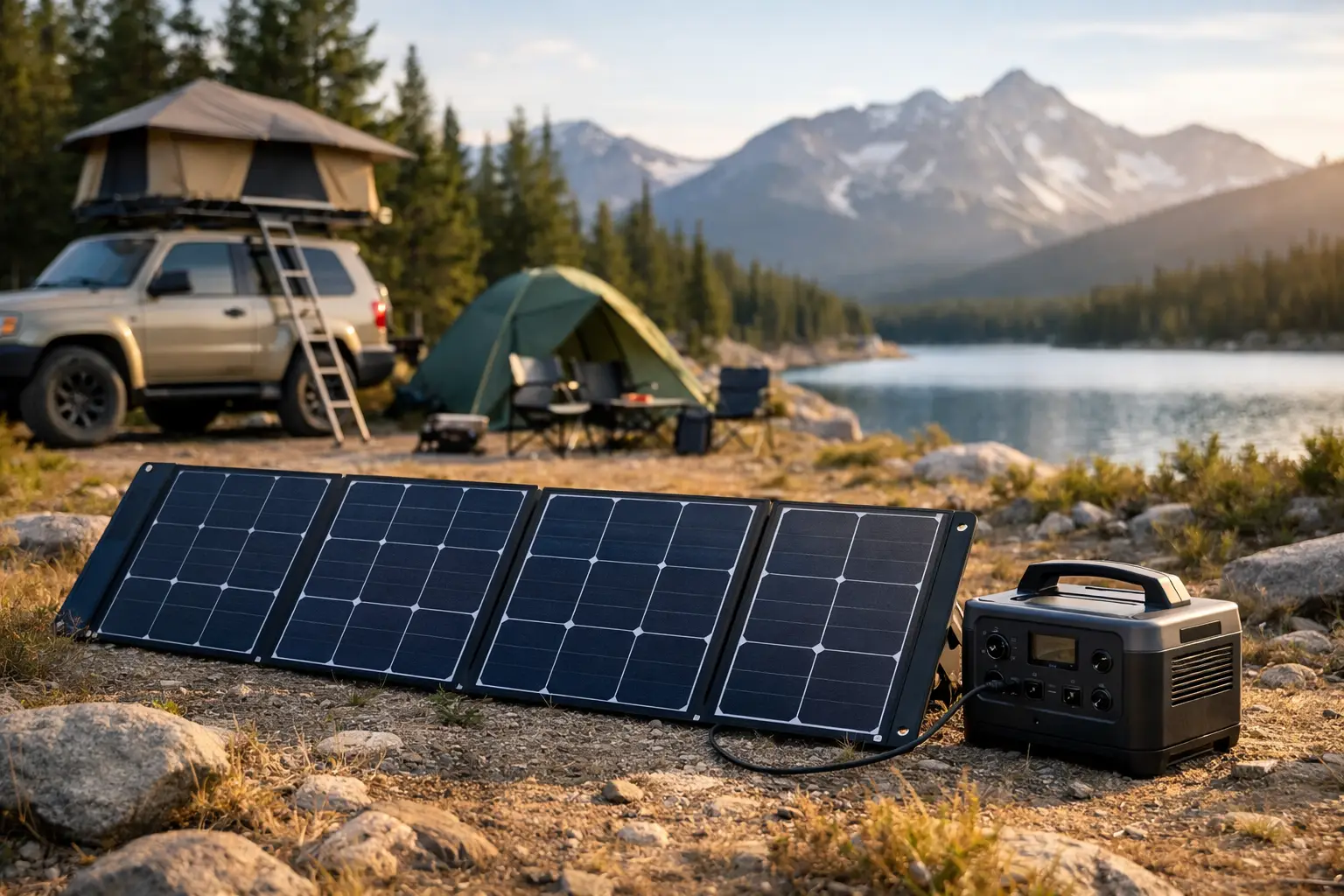
A portable solar panel review only matters if it reflects real life – not a parking lot demo, not a perfect weather day, and not a spec sheet dressed up as advice. If you want quiet power for a weekend cabin, a road trip, or a small backup setup at home, the right panel should make life simpler. The wrong one becomes one more thing to manage.
That is the lens worth using here. Portable solar is not just about wattage. It is about how easily a panel fits into the way you want to live – lighter, calmer, and less dependent on fixed infrastructure.
What a portable solar panel should actually do
A good portable panel needs to earn its space. You are carrying it, storing it, unfolding it, angling it, and trusting it when the weather shifts. That makes usability just as important as output.
For most buyers, the best option is not the biggest panel on paper. It is the one you will realistically use often. A 200W folding panel sounds impressive, but if it is bulky, awkward to reposition, or slow to pack away, it may spend more time in storage than in the sun. A lighter 100W or 120W panel can be the better choice for weekend travel, van setups, and flexible charging during short stays.
This is where portable solar differs from a roof-mounted system. Fixed panels win on convenience once installed. Portable panels win on freedom. You can move them into direct sunlight, park your vehicle in the shade, and set up power where you need it instead of building your whole day around one location.
Portable solar panel review criteria that matter
The most useful portable solar panel review focuses on five things: output in imperfect conditions, portability, durability, setup speed, and compatibility.
Output matters, but real output matters more. Few portable panels hit their full rated wattage for long. Cloud cover, heat, panel angle, and time of day all reduce performance. That does not make a panel bad. It just means a 100W panel may deliver 60W to 80W in ordinary use, and sometimes less. If a review ignores that gap, it is not helping you make a grounded decision.
Portability is more than weight. Handle design, folded size, kickstand stability, and cable storage all affect whether a panel feels refined or frustrating. Some panels look sleek online but feel clumsy in the field. Others are less flashy and simply work.
Durability is where price gaps start to make sense. Better hinges, stronger stitching, more reliable kickstands, and weather-resistant connection points usually cost more. If your panel is for occasional backyard use, an entry-level model may be enough. If it is headed to a cabin, truck bed, or regular campsite rotation, build quality deserves more attention.
Setup speed matters because friction changes behavior. A panel that takes two minutes to deploy gets used. A panel that requires fiddling with unstable legs and awkward adapters gets skipped when you are tired, late, or dealing with changing weather.
Compatibility is the detail many people miss. Not every panel plays nicely with every power station or battery setup. Connector types, voltage ranges, and charge controller requirements can create avoidable headaches. Before buying, match the panel to the system you already own or plan to build.
The trade-offs between 60W, 100W, 200W, and beyond
Smaller panels make sense for light, intentional use. A 60W to 100W panel can keep phones, lights, fans, and compact power stations topped off during weekend trips. For a digital detox setup, that may be exactly enough. You are not trying to recreate suburban energy use. You are powering only what supports comfort and freedom.
The 100W to 200W range is the sweet spot for many people. It gives enough charging potential for portable power stations, small appliances, and longer stays without becoming too cumbersome. If you are building a practical setup for a tiny home backup system, a van, or a cabin that needs flexible supplemental charging, this is where value often peaks.
Above 200W, output improves, but portability starts to weaken. Larger folding panels can feel less like grab-and-go gear and more like transportable equipment. That is not necessarily a problem. It just changes who they are for. If your panel mostly lives at a basecamp or seasonal cabin, larger formats can work well. If you expect frequent movement, lighter panels usually age better in real use.
Monocrystalline vs. everything else
Most quality portable panels today use monocrystalline cells, and for good reason. They are more efficient, generally perform better in limited space, and tend to be the standard in better-designed products. You do not need to obsess over the chemistry, but this is one area where going with the market standard is usually the right move.
The more relevant difference is often not the cell type but the overall execution. A premium monocrystalline panel with weak stands and poor cable placement can still be less satisfying than a simpler model designed thoughtfully. The user experience matters.
What premium panels do better
If you have ever wondered why some portable solar panels cost dramatically more than others, the answer is rarely just output. Premium models tend to feel more stable, charge more consistently, and hold up better over time.
They usually have sturdier kickstands, cleaner folding designs, stronger materials, and better weather resistance. Some also offer smarter integration with matching power stations, which reduces setup friction and removes compatibility guesswork. For someone building a dependable off-grid routine, those details matter.
That said, not everyone needs premium. If you are testing solar for the first time or want a backup panel for occasional use, a well-reviewed mid-range option can be the better buy. Paying more only makes sense when the added durability, convenience, or performance will actually shape your experience.
Best use cases for portable solar
Portable solar shines when flexibility matters more than constant generation. Campers benefit because they can keep essentials charged without running a generator. Cabin owners like it for supplemental power and emergency resilience. Tiny home users often use portable panels to extend existing systems or capture sun where roof placement is limited.
It is also a strong fit for people who want a gentler relationship with technology. A small power station and folding panel can support lighting, communication, and a few comforts without pulling you back into a fully plugged-in routine. That balance appeals to a lot of modern off-grid buyers. Independence does not have to mean excess.
Common mistakes buyers make
The most common mistake is buying for peak fantasy instead of average reality. People imagine powering coffee makers, laptops, fans, coolers, and lighting from one small panel, then feel disappointed when charging is slower than expected. The better approach is to estimate your daily use honestly and size your panel with margin.
Another mistake is treating the panel as the whole system. The panel is only one part. Battery capacity, charge efficiency, weather patterns, and seasonal sunlight all shape results. If your battery is undersized or your power station has limited solar input, even a great panel cannot fix the mismatch.
A third mistake is ignoring setup habits. If you move often, weight and foldability matter more than a few extra watts. If you stay in one place for days, a larger panel may be worth it. Reviews should always be filtered through your routine, not someone elses.
So what should you buy?
If your goal is simple, quiet charging for weekend travel, start around 100W from a reputable brand with solid build quality and straightforward compatibility. That size is manageable, useful, and forgiving for beginners.
If you want broader off-grid support for a cabin, van, or tiny home setup, 160W to 200W is often the smarter range. It gives you more meaningful charging without crossing fully into cumbersome territory. For heavier use, two portable panels or a mixed system with fixed and portable solar can be more practical than one oversized folding unit.
If aesthetics, durability, and long-term ease matter to you, shop like you are buying a tool you want to live with, not just a gadget with strong specs. That mindset usually leads to better decisions. It is also how Off The Grid Store approaches modern off-grid gear – practical enough to trust, refined enough to keep using.
The best portable solar panel is not the one with the boldest numbers. It is the one that fits your pace, your space, and your version of freedom. Buy for the life you are actually building, and the system will feel lighter from day one.