Category: Uncategorized

  • Where to Buy Solar Ready Cabin Accessories

    Where to Buy Solar Ready Cabin Accessories

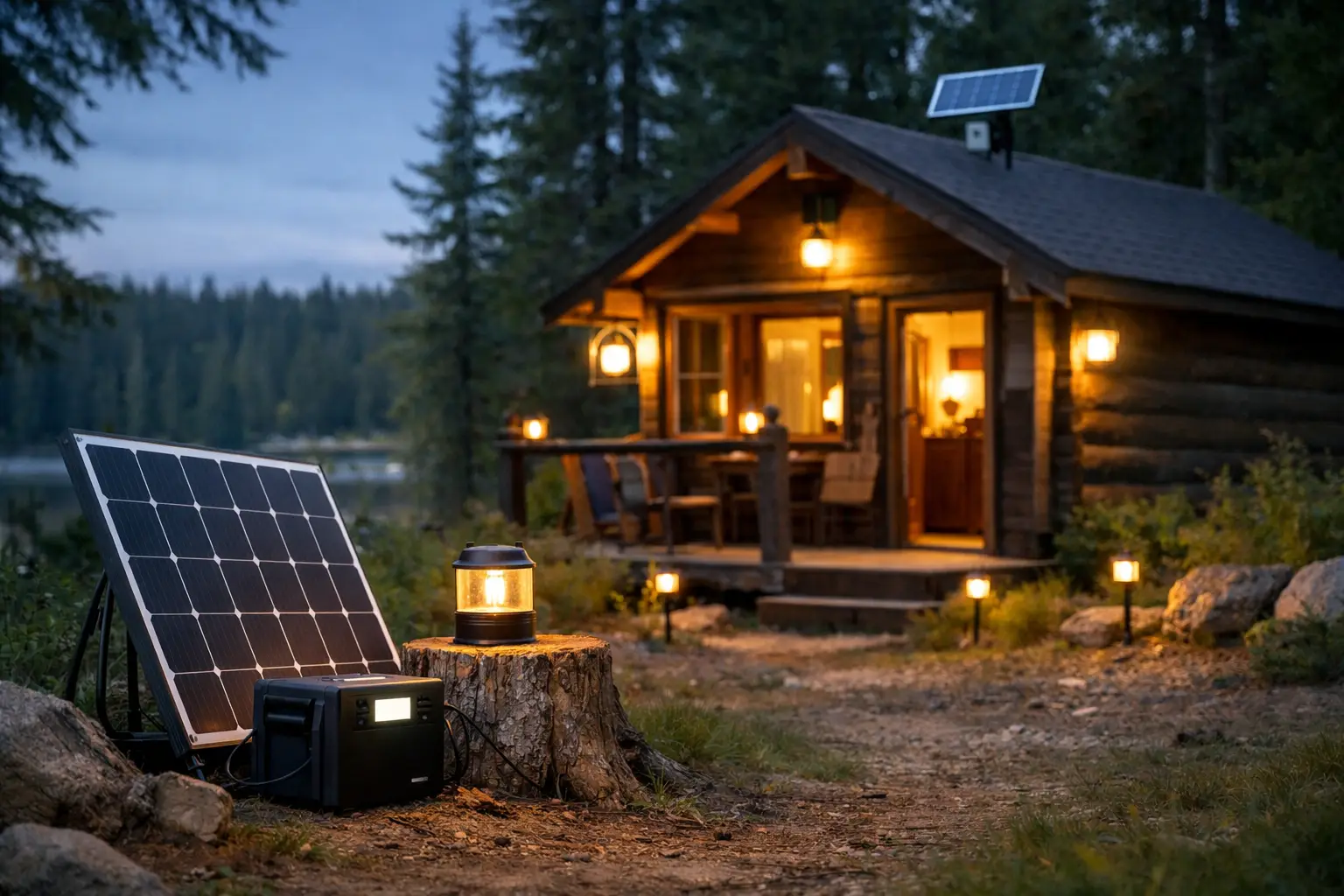
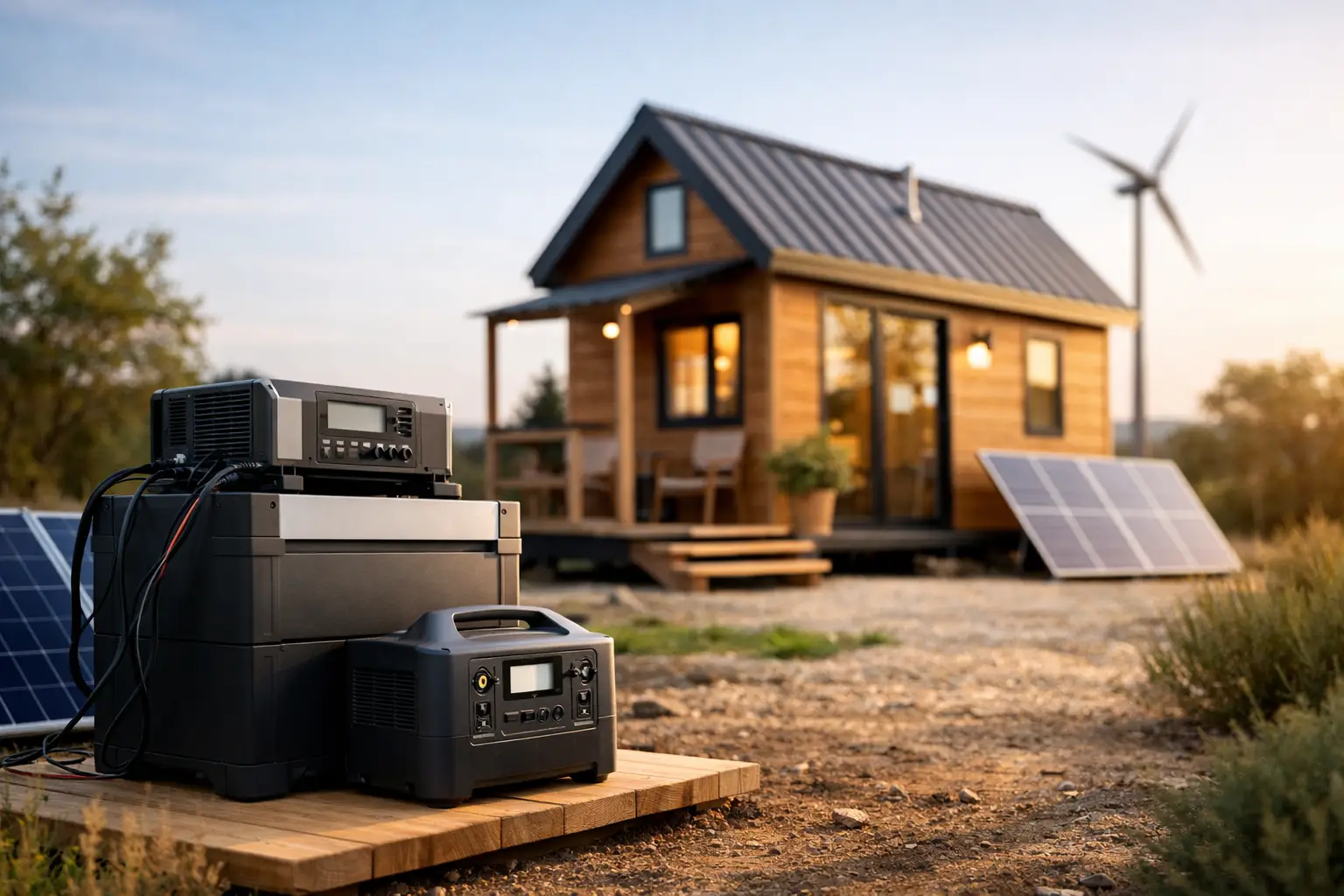
    A cabin feels different when it can take care of itself. Lights that run quietly after sunset, devices that charge without relying on a noisy generator, and small comforts that work with your power setup instead of fighting it – that is usually what people mean when they want to buy solar ready cabin accessories.

    The goal is not to turn your cabin into a science project. It is to choose the right add-ons so your space feels calm, capable, and easier to use every time you arrive. Solar-ready accessories matter because they reduce friction. They help you spend less time managing power and more time enjoying why you built the escape in the first place.

    What solar ready really means for a cabin

    When people shop for cabin gear, “solar ready” gets used loosely. Sometimes it means a product can connect directly to a small solar setup. Sometimes it means it uses low enough power to make sense in an off-grid system. And sometimes it just means the product is being marketed to anyone with a panel nearby.

    For a real-world cabin setup, solar ready usually means the accessory respects the limits of independent power. It draws reasonable wattage, works well with battery storage, and does not create unnecessary conversion losses or startup surges. It also means you can actually live with it. A beautiful light fixture or mini fridge is not a smart off-grid buy if it drains your battery bank by the second morning.

    That is where a little selectivity helps. The best accessories are not always the most advanced. They are the ones that match your actual rhythm – weekend stays, full-time use, seasonal visits, or a hybrid cabin that shifts between utility power and solar support.

    Before you buy solar ready cabin accessories

    Start with your energy reality, not your wishlist. A small weekend cabin with a portable power station has very different needs than a four-season tiny home with rooftop panels and expanded battery storage. If you skip that distinction, you can end up buying attractive gear that feels right in theory and frustrating in practice.

    Think in terms of daily use. What do you need every day, what do you use occasionally, and what is simply nice to have? Lighting, charging, water pumps, fans, and refrigeration usually sit near the top. Decorative extras can come later. This order matters because foundational accessories shape the rest of your system.

    It also helps to be honest about seasonality. Winter cabins need different priorities than summer retreats. Shorter daylight hours, colder batteries, and higher heating-related loads change what “efficient” looks like. In warmer months, airflow and shade can reduce the strain on your system just as much as adding more capacity.

    The accessories worth prioritizing first

    If your goal is reliable comfort, focus on accessories that improve daily function without creating major energy demands. Lighting is one of the easiest wins. Efficient LED cabin lighting, motion-sensor entry lights, and low-draw task lights make a space feel finished while using very little power.

    Charging accessories are another smart early purchase. USB-C charging hubs, 12V charging ports, and compact inverter-friendly power strips support the way most people actually live now. Even in a digital detox setting, you still want phones, lanterns, cameras, radios, or emergency devices ready when needed.

    Ventilation deserves more attention than it usually gets. A low-draw cabin fan, vent fan, or solar-compatible air circulation accessory can make a small space dramatically more comfortable. This is especially true in lofted cabins, tiny homes, or insulated spaces that hold heat well but need help moving air.

    Water-related accessories often separate a rough setup from a genuinely livable one. Depending on your cabin, that might mean an efficient water pump, a pressure accessory designed for low-energy use, or freeze-aware components for seasonal systems. These products are not flashy, but they shape the experience every single day.

    Refrigeration, coolers, and food-storage appliances need more caution. Some are impressively efficient and pair well with solar-backed cabins. Others look compact but pull more energy than expected, especially during startup cycles. This is one category where spec sheets matter.

    How to tell if a product fits your setup

    The smartest way to buy solar ready cabin accessories is to check a few practical details before you fall for the styling. Power draw comes first. Look at running wattage, voltage, and any startup surge. A product can seem efficient until you realize it spikes beyond what your inverter or battery can comfortably handle.

    Then look at compatibility. Many cabin setups run a mix of 12V DC, USB charging, portable battery systems, or standard AC through an inverter. Accessories that match your existing system directly are usually easier and more efficient to live with. Every conversion step adds some loss, and over time those losses matter.

    Build quality matters too, especially in cabins that sit unused part of the year. Temperature swings, dust, humidity, and transport can wear out cheap accessories fast. Well-built gear costs more upfront, but it often saves money and frustration by lasting longer and performing more consistently.

    Noise is another factor people underestimate. If your cabin is designed as a retreat, buzzing chargers, loud fans, and rattling appliances quickly break the mood. Quiet operation is not a luxury in an intentional space. It is part of what makes off-grid living feel restorative rather than improvised.

    Buy for your cabin lifestyle, not someone else’s

    A lot of people overbuy because they shop for an imagined future version of their cabin. Maybe one day it will host larger groups, support longer stays, or run more appliances. That might happen. But if you are outfitting the space now, buy for the way you actually use it.

    A weekend retreat often benefits from portable, modular accessories. Compact lighting, small-scale charging gear, and adaptable power options make sense when your use is simple and occasional. A more permanent off-grid setup may justify hardwired accessories, larger refrigeration, and dedicated water or ventilation systems.

    There is also a style question, and it is not superficial. If your accessories feel clunky or out of place, you are less likely to enjoy using the space. Modern off-grid living does not need to look like compromise. Clean design, durable finishes, and thoughtful functionality can coexist. That is part of what makes the lifestyle feel sustainable for the long term.

    Where people overspend – and where they should not

    Overspending usually happens in categories that promise convenience but deliver complexity. Oversized inverters, novelty gadgets, and accessories with features you will rarely use can crowd your system and your budget. More capability is not always better if it adds power draw, maintenance, or setup friction.

    Where you should not cut corners is on reliability. Core lighting, weather-resistant electrical accessories, battery-compatible charging gear, and essential water components are worth buying well the first time. If a basic item fails at the cabin, it is rarely just an inconvenience. It affects the comfort and confidence of the whole setup.

    This is also why curated shopping matters. A focused store with products selected for actual off-grid use can save time and avoid expensive mistakes. Off The Grid Store speaks to that modern cabin customer well because the framing is practical, design-aware, and centered on real use rather than survivalist theater.

    A simple buying mindset that keeps you out of trouble

    Think in layers. First, cover essentials that support light, power access, airflow, and water. Next, add comfort items that improve the experience without straining your system. Then, if capacity allows, bring in convenience upgrades.

    That sequence keeps your cabin functional from the start. It also helps you grow your setup intentionally. You do not need everything at once. You need the right few things that work together and respect the limits of solar-supported living.

    If you are comparing products, ask one clear question: will this accessory make cabin life easier without making power management harder? That standard cuts through a lot of marketing. Good off-grid gear should feel calm, efficient, and dependable.

    Buying for a solar-ready cabin is really about protecting the reason you wanted the cabin in the first place. Choose accessories that support quiet mornings, longer stays, and less dependence on outside systems, and the whole space starts to feel more free.
  • Composting Toilet vs Incinerating Toilet

    Composting Toilet vs Incinerating Toilet

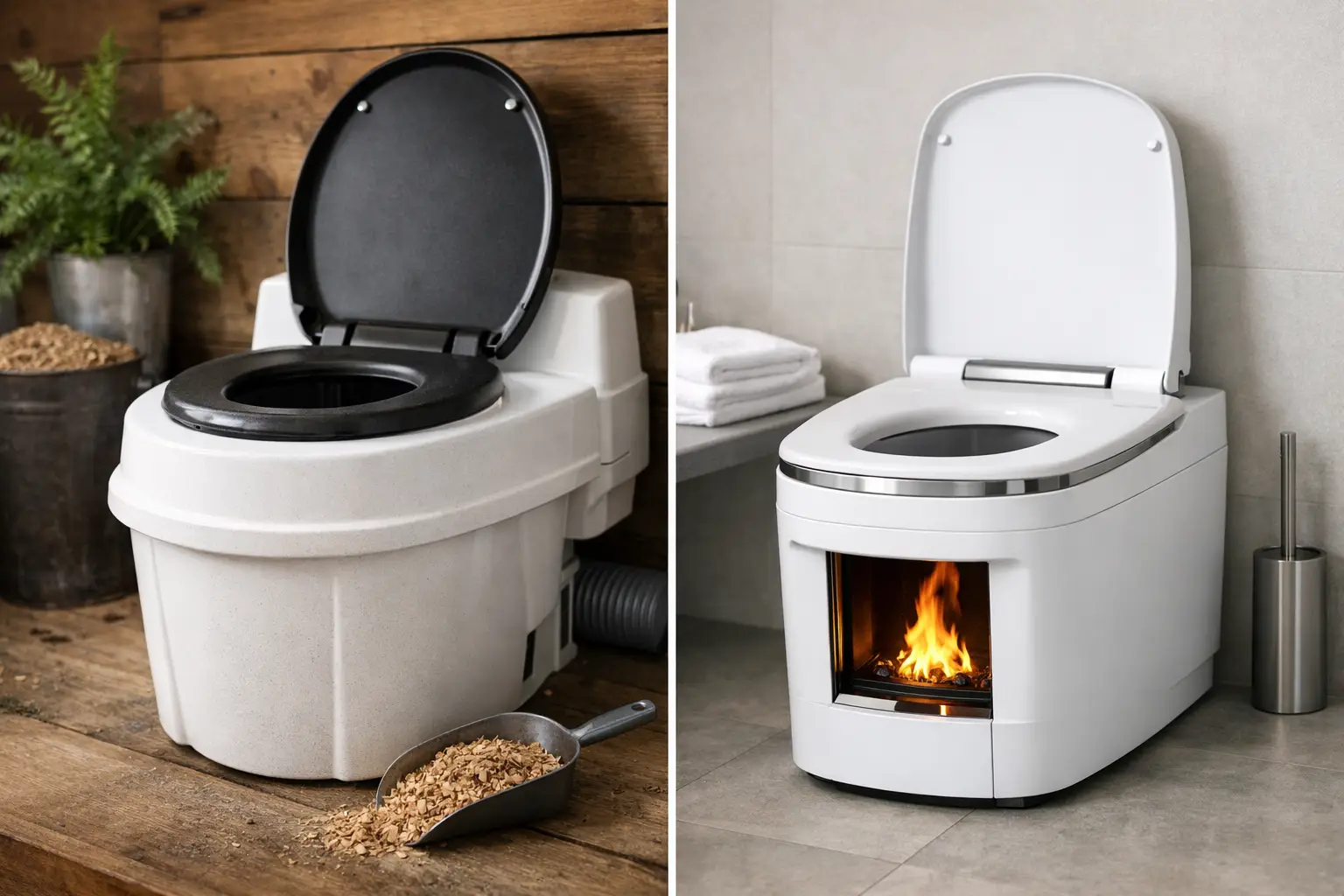
    A toilet choice can shape your entire off-grid setup more than most people expect. When you compare composting toilet vs incinerating toilet options, you are really choosing between two different lifestyles – one built around low-energy simplicity, the other around push-button convenience with a bigger power or fuel demand.

    For a tiny home, cabin, van, or weekend retreat, that difference matters. Your toilet affects solar sizing, daily routines, maintenance, odor control, and how comfortable the whole space feels. If you want an off-grid system that feels clean, modern, and easy to live with, the better choice depends less on hype and more on how you actually use your space.

    Composting toilet vs incinerating toilet: the real difference

    A composting toilet separates or manages waste so it can break down over time, usually with the help of airflow, a vent, and a dry medium such as coco coir or peat alternative. In most setups, liquids and solids are handled separately or at least managed to reduce moisture. The goal is not instant disposal. It is controlled decomposition with regular emptying.

    An incinerating toilet takes a very different approach. Instead of storing waste for decomposition, it burns waste into sterile ash using electricity, propane, natural gas, or diesel depending on the model. The result is minimal residue and less hands-on handling of solids, but the process needs significant energy and proper venting.

    That basic difference sets the tone for everything else. Composting toilets ask for more routine involvement but less power. Incinerating toilets ask for less direct contact with waste but more from your energy system and your budget.

    Which one fits off-grid living better?

    If your priority is energy independence, a composting toilet usually fits more naturally. It can run with little to no electricity beyond a small fan, and many people find that ideal for solar-ready cabins, tiny homes, and remote builds where every watt matters. It supports a simpler infrastructure and creates fewer demands on batteries, inverters, or fuel storage.

    If your priority is a more familiar bathroom experience with minimal waste storage, an incinerating toilet can feel more refined. That appeal is real, especially for people who want a guest-friendly setup or who simply do not want to manage composting material. But in an off-grid environment, convenience is never free. You pay for it in energy use, appliance cost, and often installation complexity.

    This is why there is no universal winner in the composting toilet vs incinerating toilet debate. The best choice depends on whether you want lower system demands or lower direct waste handling.

    Power, fuel, and system demands

    This is where many buyers make the wrong call. An incinerating toilet may sound like the cleaner, easier option until it is time to support it with real-world infrastructure.

    Electric incinerating toilets can draw substantial power during burn cycles. That can be manageable in a grid-tied ADU or a cabin with a large, well-designed solar and battery system, but it is a bigger lift for leaner off-grid setups. If your goal is a lightweight, efficient system that supports weekends away or full-time tiny living without oversizing your electrical plan, that extra demand can become a deal breaker.

    Propane or fuel-based incinerating toilets reduce electrical load but introduce another layer of dependence. You need fuel availability, storage, and attention to combustion safety and venting. For some people, that is still worth it. For others, it adds exactly the kind of complexity they were trying to leave behind.

    Composting toilets are far less demanding. Most use a small fan for ventilation, and that draw is minor compared with an incineration cycle. If you are building a resilient off-grid system around solar, simplicity often wins.

    Upfront cost and long-term value

    Incinerating toilets usually cost more up front, sometimes significantly more. Installation can also be more involved depending on your venting needs, fuel hookup, or electrical requirements. Add consumable liners if the model requires them, plus ongoing energy or fuel use, and the long-term cost tends to stay higher.

    Composting toilets are generally more affordable to buy and easier to integrate into small-space builds. They also avoid black water plumbing, septic expansion, and many of the hidden costs that come with conventional bathroom infrastructure. That said, they are not maintenance-free. You may need bulking material, replacement fans or parts over time, and a realistic willingness to empty and clean the unit regularly.

    For many off-grid households, composting offers better value because it keeps the whole system lighter and more flexible. The toilet itself is only part of the equation. The supporting infrastructure matters just as much.

    Odor, cleanliness, and day-to-day comfort

    This is often the deciding factor, and it deserves a more honest answer than the usual marketing promise.

    A well-designed composting toilet that is properly vented and correctly used should not smell bad. In fact, many people are surprised by how neutral it can be when liquids are managed well and the chamber stays dry. Most odor problems come from poor ventilation, too much moisture, or inconsistent maintenance.

    An incinerating toilet can also offer a clean experience, especially because waste is reduced to ash rather than stored for long periods. But it is not odor-free in every moment. During burn cycles, some users notice a distinct exhaust smell outside, and the process can involve noise, heat, and waiting time. It feels cleaner in one sense, but not necessarily quieter or simpler.

    Inside the bathroom, both options can work well when installed correctly. The difference is that composting requires a little more user awareness, while incinerating requires more patience with the machine itself.

    Maintenance is different, not absent

    People sometimes choose incinerating toilets because they assume they eliminate maintenance. That is only partly true. You will empty ash less often than you would empty a composting chamber, but you still need to monitor liners, burners, vents, and general system performance. If something fails, repairs can be more specialized.

    Composting toilets ask for more regular interaction. You empty liquids if your system separates them, remove solids on a schedule based on use, and keep the composting environment balanced. For full-time living, that routine becomes part of normal life surprisingly quickly. It is less glamorous, but often more predictable.

    There is a broader off-grid lesson here. The systems that support freedom usually work best when they are simple enough to understand and maintain yourself.

    Best use cases for each option

    When a composting toilet makes more sense

    A composting toilet is usually the better fit for tiny homes, vans, simple cabins, and solar-powered retreats where energy efficiency matters. It also suits people who are comfortable being a little more hands-on in exchange for lower operating costs and fewer infrastructure demands.

    It is especially strong for owners who value resilience. If you want a bathroom solution that keeps working without heavy power draw and supports a more self-directed setup, composting often aligns better with that goal.

    When an incinerating toilet makes more sense

    An incinerating toilet can be a smart choice for higher-end cabins, guest houses, or off-grid properties where comfort and reduced waste handling matter more than absolute efficiency. It can also work well in places where water access is limited but power or fuel is dependable.

    If you host guests often, that convenience may carry real value. Some people simply prefer a more appliance-like experience, and there is nothing wrong with building for comfort if your infrastructure can support it.

    What to ask before you choose

    Before buying either system, think beyond the toilet itself. Ask how often the space will be used, whether it is full-time or seasonal, how much power your setup can spare, and how comfortable you are with routine maintenance. Also consider who else will use it. A solo cabin owner may be perfectly happy with a composting system, while a family with frequent guests may lean toward incineration if the budget allows.

    Climate matters too. Cold-weather performance, ventilation paths, and installation constraints can all shape the user experience. So can your tolerance for noise, wait times, and physical upkeep.

    The right off-grid choices are rarely about chasing the most advanced option. They are about choosing the system that fits your rhythms, your space, and the level of independence you actually want to live with.

    At Off The Grid Store, that is the lens worth keeping. The best setup is the one that supports a quieter, more capable life without adding friction where you do not need it. Choose the toilet that makes your space feel easier to live in, and the rest of your off-grid build gets a lot simpler.

  • Water Storage for Off Grid Cabin Setups

    Water Storage for Off Grid Cabin Setups

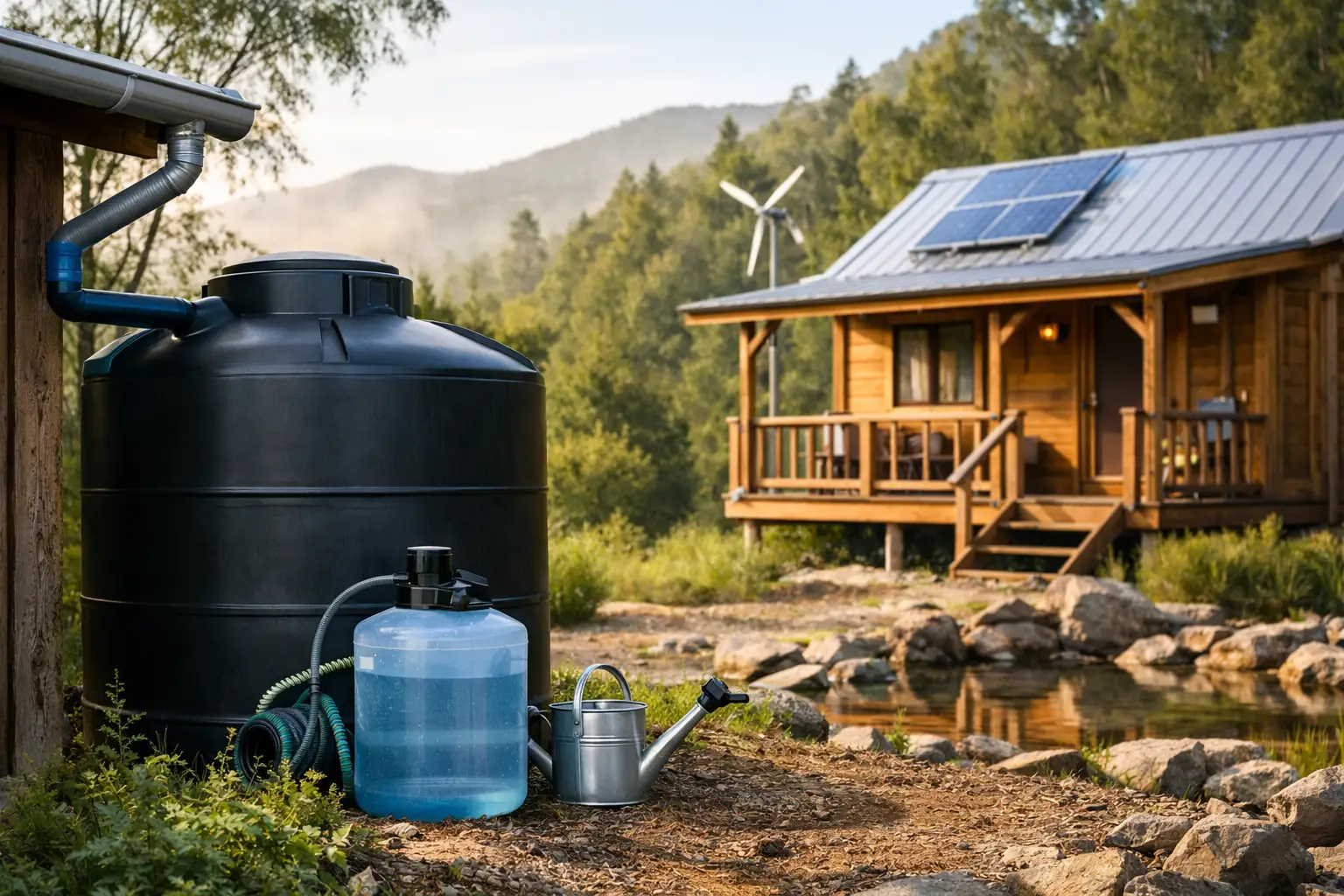
    A quiet cabin loses its appeal fast when the water runs low. If you are planning water storage for off grid cabin living, the goal is not just having a tank – it is building a system that feels reliable on an ordinary Tuesday, during a summer heat wave, and in the middle of a frozen January weekend.

    That reliability starts with a simple mindset shift. Water storage is not one product. It is a chain made up of source, storage, delivery, treatment, and backup. When one weak link gets overlooked, the whole setup feels harder than it should.

    What good water storage for off grid cabin living really looks like

    The best systems are sized for your actual lifestyle, not an imagined version of extreme minimalism. A weekend cabin used by two adults has very different needs than a full-time tiny home with a shower, composting toilet, laundry, and guests dropping in. Good planning keeps you comfortable without overspending on tank capacity you will never use.

    For most cabin owners, the real question is daily use. Drinking and cooking use less water than people expect. Showers, dishes, laundry, and flushing toilets are what push storage needs up quickly. If your cabin is designed around conservation, you may only need a modest reserve. If you want a more residential experience, storage needs rise fast.

    A practical rule is to estimate daily use per person, then build in a buffer for weather, visitors, and delays in refilling. That buffer matters. Off-grid comfort comes from margin.

    Start with your water source

    Before choosing a tank, get clear on how water reaches your property. Most off-grid cabins rely on one of four approaches: hauled water, rainwater collection, a well, or nearby surface water that requires careful treatment. Each one changes how you should think about storage.

    Hauled water usually requires larger storage because refill timing depends on trips, delivery schedules, road access, and season. Rainwater collection can work beautifully in the right climate, but it is tied to roof area, rainfall patterns, and seasonal variability. Wells offer the most convenience when the yield is dependable, but many off-grid wells still benefit from storage tanks to reduce pump cycling and hold reserve water during outages or maintenance. Surface water sounds abundant, but treatment complexity makes it a less casual option than many first-time cabin owners assume.

    If your source is inconsistent, storage becomes more important. If your source is strong and year-round, your storage can be smaller and more streamlined.

    How much water storage do you need?

    Sizing is where people either underbuild and feel stressed, or overbuild and spend money on space they did not need to give up. A weekend retreat may be comfortable with enough capacity for several days of normal use plus emergency reserve. A full-time cabin usually benefits from at least a week or more of usable storage, especially if weather or access can interrupt refills.

    As a rough planning range, low-use cabins may land around 15 to 30 gallons per person per day, while more comfort-oriented setups can move beyond that. If you use a standard shower, wash dishes conventionally, or run a small washing machine, your total climbs quickly. If you rely on low-flow fixtures, short showers, and intentional habits, you can stay on the lower end.

    It also helps to separate potable water from general-use water. Some cabin owners keep a smaller, carefully filtered drinking-water reserve and a larger tank for washing and cleaning. That approach can make treatment simpler and reduce pressure on your highest-quality water supply.

    Choosing the right tank for an off-grid cabin

    Tank material and placement affect cost, maintenance, and year-round usability. Polyethylene tanks are popular because they are durable, relatively lightweight, and well suited to many cabin applications. They work for both indoor and outdoor placement, though cold-weather performance depends heavily on insulation and freeze protection.

    Above-ground tanks are easier to install and inspect, but they are more exposed to temperature swings and sunlight. Underground cisterns protect water from freezing and UV exposure better, but installation is more expensive and site conditions matter. Interior tanks, tucked into a utility room, crawlspace, or insulated enclosure, are often the simplest answer for smaller cabins because they stay more stable through the seasons.

    Food-grade materials matter if the water will be used for drinking. Opaque tanks are also worth prioritizing because they help reduce algae growth. A tank that looks sleek but allows too much light in will create more maintenance over time.

    Placement matters more than people expect

    Where you put the tank shapes the entire user experience. Water is heavy, so structural support is non-negotiable. A gallon weighs more than eight pounds, which means even a modest tank carries serious load. Floor strength, pad preparation, and access for delivery or maintenance all need attention early.

    Placement also affects pressure. Gravity-fed systems can work well when a tank sits above the point of use, but many cabins rely on a 12V or 120V pump with a pressure tank for a more familiar sink and shower experience. If comfort matters to you, this is one place where thoughtful design pays off every day.

    Keep the plumbing run as simple as possible. Every extra bend, fitting, and exposed section adds friction, cost, and potential freeze points. Clean, compact layouts are easier to winterize, easier to troubleshoot, and generally better aligned with the off-grid principle of less to manage.

    Filtration and treatment are part of storage

    Stored water is only as useful as it is safe. That does not mean every cabin needs an elaborate treatment plant, but it does mean water quality should be planned from the beginning. The right setup depends on your source and how the water will be used.

    Rainwater and hauled water often benefit from sediment filtration plus disinfection or fine filtration before drinking. Well water may need testing for minerals, bacteria, or local contaminants. Surface water usually requires the most serious treatment and should never be treated casually.

    Even clean water can degrade in storage if tanks are dirty, vents are unsecured, or temperatures swing too much. Lids should seal well, overflow lines should be screened, and tanks should be cleaned on a regular schedule. If you want a cabin that feels easy to use, maintenance should be simple enough that you will actually do it.

    Planning for winter changes everything

    Four-season cabins need a different level of planning than fair-weather escapes. Freezing temperatures can turn a perfectly good water system into a seasonal headache if pipes, pumps, and tanks are exposed or poorly insulated.

    If your cabin is used year-round, protect vulnerable components with insulation, heat tape where appropriate, and conditioned or enclosed utility spaces. If your cabin sits empty for long stretches in winter, a drain-down strategy may be smarter than trying to keep everything warm. The right choice depends on how often you visit, how cold your climate gets, and whether your power system can support freeze protection consistently.

    This is one of those areas where simplicity often wins. A slightly smaller, interior tank with shorter plumbing runs may outperform a larger, more complicated outdoor setup once winter arrives.

    Build in backup, not just capacity

    A resilient cabin water system includes a Plan B. That might be a secondary storage tank, a portable reserve for drinking water, a manual transfer option, or a backup pump. If your setup depends on solar power, think through what happens after several cloudy days or during maintenance.

    Backup does not have to mean overbuilding. It means giving yourself options. A few extra gallons of potable water, a simple level gauge, and the ability to bypass one failed component can make the difference between a minor inconvenience and a trip cut short.

    That is also why many modern off-grid homeowners choose systems that are intentionally a little more refined. The point is not to recreate suburban excess in the woods. It is to create a calm, functional environment that supports the way you actually want to live.

    A smarter way to choose your setup

    If you are deciding between tank sizes or system styles, start with your lifestyle first. How often are you there? How many people use the cabin? Do you want quick weekend simplicity or full-time comfort? Are you designing around a digital detox retreat, a tiny home rhythm, or a family basecamp?

    Those answers matter more than chasing the biggest tank or the most technical solution. At Off The Grid Store, that is the lens that makes off-grid living feel practical instead of overwhelming. The best water system is the one that matches your habits, your climate, and your standard of comfort with enough margin to keep life feeling spacious.

    A well-planned cabin water setup gives you something bigger than convenience. It gives you confidence to settle in, slow down, and stay a little longer.

  • 10 Small Cabin Solar Lighting Ideas

    10 Small Cabin Solar Lighting Ideas

    A small cabin changes after sunset. What felt simple and open during the day can turn dim, cramped, or oddly stressful if the lighting is wrong. The best small cabin solar lighting ideas solve more than visibility – they shape how the space feels, how much battery you use, and how easy it is to enjoy off-grid time without constantly managing power.

    If you want a cabin that feels calm, efficient, and ready for real use, lighting deserves more thought than a single overhead fixture and a lantern on the shelf. In a compact off-grid space, every light should earn its place.

    What makes cabin lighting work off-grid

    Solar lighting in a small cabin is less about adding more fixtures and more about building layers. You need enough light for cooking, reading, and moving around safely, but you also want to protect battery capacity for cloudy days and longer stays. That means choosing low-draw fixtures, placing them intentionally, and deciding where bright task lighting matters more than ambient glow.

    This is where many cabin setups go sideways. People either under-light the space and end up with a gloomy interior, or they over-light it and burn through stored power faster than expected. The smarter approach is to match light output to how you actually live in the cabin.

    Warm color temperatures usually feel better in retreat-style spaces. Cool white light can make a small cabin feel clinical, especially if the interior uses wood, warm textiles, or natural finishes. But there are exceptions. A cooler or neutral light often works better over a prep counter or utility area where visibility matters most.

    Small cabin solar lighting ideas for a better layout

    1. Use one central ceiling light, but keep it modest

    A single overhead light in the main living area is useful, but it should not carry the whole room. In a small cabin, an oversized ceiling fixture can create harsh shadows and waste power by flooding areas that do not need full brightness.

    A compact LED ceiling light with a warm output is usually enough for general use. Think of it as the base layer. It should help you orient yourself and move through the room comfortably, not turn the cabin into a garage.

    2. Put task lights where decisions happen

    The best lighting investment is often not the prettiest fixture. It is the light above the sink, beside the bed, near the reading chair, or under the cabinet where you prep food. These are the spots where poor lighting gets annoying fast.

    Solar-supported cabins benefit from focused task lighting because it gives you brightness exactly where needed without forcing you to power the whole room. A small directional wall light by the bed, a low-draw puck light in the kitchenette, and a reading lamp in the corner can do more than a bigger central fixture.

    3. Add under-cabinet lighting in the kitchen

    This is one of the most practical small cabin solar lighting ideas because kitchens tend to be shadow-heavy in tight spaces. Upper shelves or cabinets can block your ceiling light, leaving the counter darker than expected.

    A slim LED strip under the cabinet solves that problem with very little energy draw. It makes cooking easier, helps the cabin feel more finished, and adds a clean modern look that fits a design-conscious off-grid space.

    4. Use wall sconces instead of extra floor lamps

    Floor space is limited in most cabins, and cords or lamp bases can make the room feel cluttered. Wall-mounted lighting keeps surfaces open and circulation easier.

    A pair of simple sconces can frame a bed, warm up a dining nook, or bring balance to a small living area. They also tend to distribute light more comfortably at eye level. If your cabin is truly compact, this can feel much more natural than relying on one bright overhead source.

    5. Install low-level night lighting

    Cabins are dark in a different way than city homes. That is part of the appeal, but it also means midnight trips to the bathroom or stepping down a ladder can get risky.

    Soft low-level lights near the floor, under a bench, or along a stair edge make a big difference. These do not need much brightness. They just need to define the path. Motion-activated options are especially useful because they preserve power and make the cabin feel intuitive at night.

    Lighting by zone, not by room

    One of the easiest upgrades in a solar cabin is to stop thinking in standard house terms. In a small footprint, rooms often overlap. A kitchenette may share space with the dining area and lounge. A loft may double as a sleeping zone and reading nook.

    That is why zoning matters. Instead of one switch controlling everything, think in use cases. You want the option to light only the bed area, only the kitchen counter, or only the entry. This gives you more control over energy use and creates a more relaxed atmosphere.

    6. Make the entry feel intentional

    The entry is often overlooked, but it shapes the entire arrival experience. A small solar-powered wall light outside the door and a soft light just inside the entrance help the cabin feel grounded and welcoming.

    This is not only about looks. It makes it easier to unlock the door, drop your gear, and settle in after dark without blasting every interior fixture. For weekend cabins and retreat spaces, that softer transition matters.

    7. Choose bedside lighting that does not disturb the whole cabin

    If your cabin is shared, or your sleeping area is visible from the main room, bedside lighting should stay localized. A warm wall-mounted reading light or small rechargeable lamp lets one person wind down without turning the whole space on.

    This is one of those details that makes a cabin feel more comfortable over time. Good off-grid design is often about reducing friction, not adding complexity.

    How to keep solar lighting efficient

    The right fixtures help, but system habits matter too. If your cabin runs on a modest solar setup, efficiency starts with understanding your battery reality. A weekend cabin with occasional use has more flexibility than a full-time off-grid home that needs to ride through poor weather.

    LEDs are the clear standard. Beyond that, dimmers help more than many people realize. Being able to lower light levels at night reduces draw and improves mood at the same time. It is one of the simplest quality-of-life upgrades for a small cabin.

    8. Use dimmable lights for evening flexibility

    Bright light has its place, but evenings in a cabin usually feel better with less intensity. Dimmable fixtures let you shift from functional light during dinner cleanup to a softer glow once the day slows down.

    This also helps preserve battery capacity. You may not need every fixture at full brightness, especially in a small interior where reflected light from wood walls and light-colored surfaces can go a long way.

    9. Mix hardwired solar lights with rechargeable backup options

    A fully hardwired setup feels clean and dependable, but rechargeable lanterns and table lamps still deserve a place. They are useful during maintenance, cloudy stretches, or outdoor evenings on the porch.

    The trade-off is consistency. Rechargeable lights are flexible, but they can also create visual clutter if they become your main system. The strongest setup usually combines a stable core of installed lighting with one or two portable pieces for backup and atmosphere.

    10. Light the porch like an extension of the cabin

    A porch light should do more than help you find the door. In a small cabin, the porch often becomes extra living space for coffee, quiet conversation, or simply sitting still after sunset.

    A warm exterior sconce, a compact overhead fixture, or a few subtle solar path lights can make that area usable without feeling overdone. Keep brightness restrained. Too much exterior light can flatten the night and take away the sense of retreat that made the cabin appealing in the first place.

    A few trade-offs worth thinking through

    Not every cabin needs the same setup. If your place is mostly a weekend escape, you can prioritize mood and simplicity. If it supports longer stays or remote work, function may come first in key areas like the kitchen, desk, and bath.

    Cabin size matters, but layout matters more. A tall narrow cabin may need layered vertical lighting. A one-room cabin may benefit most from carefully separated zones. And if your solar capacity is limited, it is usually better to have fewer well-placed lights than too many fixtures that compete for power.

    Style matters too. Modern off-grid living does not have to look improvised. Clean-lined sconces, warm LED strips, low-profile ceiling fixtures, and thoughtfully placed portable lamps can make a cabin feel intentional and refined. That balance of comfort and self-reliance is exactly what draws people to this lifestyle in the first place, and it is a standard Off The Grid Store understands well.

    The best cabin lighting does not call attention to itself. It supports the evening, protects your power, and makes the space feel easy to live in. When your solar lights are placed with purpose, the cabin stays what it should be after dark – quiet, capable, and deeply restorative.

  • Best Battery Backup for Tiny House Setups

    Best Battery Backup for Tiny House Setups

    A tiny house gets very small, very fast when the power drops. The right system keeps your lights on, your fridge cold, your water pump running, and your space feeling calm instead of fragile. If you are looking for the best battery backup for tiny house living, the answer is not one universal product. It is the setup that matches how you actually live, how often you move, and how much independence you want from the grid.

    What the best battery backup for tiny house really means

    Most people start by shopping battery capacity. That makes sense, but capacity alone does not tell you whether a system will feel effortless or annoying. In a tiny house, power is part of your daily rhythm. If your backup is too small, you start rationing basic comforts. If it is oversized, you may spend far more than you need and give up valuable space.

    The best battery backup for tiny house use should do three things well. It should carry your essential loads without stress, recharge in a realistic amount of time, and fit the physical reality of compact living. That last part matters more than people expect. A technically impressive battery that is noisy, bulky, or awkward to install is not a great tiny house solution.

    This is where a lot of buyers get stuck. They are not trying to build a survival bunker. They want a quiet, design-conscious system that supports normal life with less dependence on the grid. That is a different goal, and it changes what makes a battery backup worth buying.

    Start with your actual power habits

    Before comparing products, look at what your tiny house needs during a normal day and during an outage. Those are not always the same thing.

    If your backup is only for short interruptions, you may only need to cover lights, internet, a fan, device charging, and refrigeration. If you want a more self-powered setup, your list probably expands to a water pump, vent fan, small kitchen appliances, and maybe a mini split or composting toilet fan.

    The biggest mistake is assuming every appliance has to run exactly as usual. In a tiny house, good power planning is often about deciding what stays on all the time, what runs occasionally, and what should stay off during backup mode. A coffee maker or induction burner can draw a surprising amount of power in a short burst. A fridge draws less overall but needs dependable runtime. Those are different demands.

    A practical way to think about it is this: define your essentials first, then your comfort loads, then your nice-to-haves. That gives you a battery system built around resilience, not guesswork.

    Battery chemistry matters more than brand hype

    For most tiny house owners, lithium iron phosphate, often called LiFePO4, is the clear front-runner. It lasts longer, handles deeper discharge, weighs less than older lead-acid systems, and needs less maintenance. In a small space, those advantages are hard to ignore.

    Lead-acid batteries still have a place if budget is the main priority and you do not mind extra maintenance or reduced usable capacity. But in modern tiny house setups, they usually feel like a compromise. They are heavier, bulkier, and less forgiving. If your goal is a clean, dependable system you can live with for years, lithium is usually the better fit.

    That said, not all lithium systems are equal. Build quality, battery management systems, temperature performance, inverter integration, and app control can all shape the ownership experience. A battery is not just a battery when your home depends on it.

    Portable power station or fixed battery bank?

    This is one of the biggest forks in the road.

    A portable power station is appealing because it is simple. You get the battery, inverter, charge controller, and outlets in one unit. For weekend tiny homes, short stays, or lighter energy use, this can be the smartest choice. It is also a strong option for people who want backup power now without committing to a full electrical redesign.

    Portable systems tend to work best when your loads are modest and your lifestyle is flexible. If you mostly need power for lighting, charging, a fridge, Wi-Fi, and occasional small appliances, a premium power station can feel surprisingly complete.

    A fixed battery bank makes more sense when your tiny house is full-time, solar-supported, or running higher-demand loads. This route gives you more capacity, more flexibility, and often a cleaner long-term installation. It also asks more from you up front. Sizing, wiring, inverter selection, ventilation, and code compliance all matter.

    Neither route is automatically better. A portable unit offers convenience and lower complexity. A fixed system offers scale and integration. The best choice depends on whether you want backup power as an accessory or as part of your home infrastructure.

    How much battery capacity is enough?

    For many tiny houses, a battery capacity in the 2 to 5 kWh range is enough for essential backup. That can comfortably support lights, device charging, a router, ventilation, and refrigeration for a limited window, especially if you use power thoughtfully.

    If you want your battery backup to carry more of your life without constant monitoring, 5 to 10 kWh is often the more comfortable zone. That range gives you more breathing room for water pumps, kitchen use, work-from-home needs, and cloudy-day resilience when paired with solar.

    Beyond that, you are usually planning for a more independent energy system rather than simple backup. That can absolutely make sense, especially for full-time off-grid living, but the cost and installation needs rise quickly.

    The right amount comes down to your tolerance for energy management. Some people are happy adjusting usage around weather and battery level. Others want the house to feel almost grid-normal. Be honest about which person you are.

    Inverter size can make or break the experience

    Battery capacity gets the attention, but inverter size determines what you can actually run. If the inverter cannot handle startup surges, your system may fail even when the battery is full.

    Tiny house appliances often have short but demanding startup loads. Refrigerators, pumps, and air conditioning are common examples. A well-sized inverter should cover both your continuous wattage and those brief spikes.

    This is also where cheap systems start to show their limits. On paper, two battery backups may look similar. In practice, one handles real-life use gracefully while the other trips, overheats, or forces you to baby every appliance. Quiet performance, stable output, and surge tolerance are worth paying for.

    Charging speed and solar compatibility matter

    A battery backup is only as useful as your ability to refill it. If you are relying on solar, pay close attention to solar input limits and charging efficiency. Some systems look great until you realize they recharge painfully slowly in average conditions.

    For tiny house living, flexibility is valuable. Wall charging is helpful for grid-connected or hybrid setups. Solar charging is essential for more independent use. Vehicle charging can be useful for mobile builds or travel-based setups. The more recharge options you have, the more resilient the system feels.

    This is one reason premium all-in-one systems have become so popular. They reduce friction. You are not piecing together six components and hoping they cooperate. You are buying something designed to support a simpler power routine.

    Features worth paying for and features you can skip

    In a compact home, convenience matters. App monitoring is genuinely useful because it lets you track battery level, charging rate, and load without opening compartments or checking multiple devices. Expandability is also valuable if you expect your energy needs to grow.

    A good display, quiet operation, and reliable outlet selection all improve day-to-day life. These are not luxury details when your battery system is part of your home environment.

    On the other hand, do not get distracted by flashy extras you will never use. If a feature sounds impressive but does not support your actual routine, it is just cost. The best system is the one that disappears into your life and does its job well.

    Best battery backup for tiny house buyers by lifestyle

    If you have a weekend tiny cabin or occasional retreat, a high-quality portable power station is often enough. It keeps the setup clean, low-commitment, and easy to transport or expand later.

    If you live full-time in a tiny house with modest energy habits, a larger portable unit or a small fixed lithium system usually hits the sweet spot. You get enough comfort for daily living without overbuilding.

    If your tiny house includes work-from-home gear, frequent kitchen use, water pumping, or climate control, a fixed battery bank paired with solar is usually the stronger long-term move. It costs more, but it supports a more stable lifestyle.

    And if mobility matters, weight and charging flexibility move up the list fast. The best backup for a parked tiny home is not always the best choice for a rig that travels.

    That is the real takeaway. Battery backup is not just a product category. It is part of how your home feels. The right system supports freedom quietly in the background, which is exactly how good off-grid living should work. If you want a setup that feels considered rather than improvised, choose for your real routine, leave room for growth, and let simplicity lead the decision.

  • How to Create an Unplugged Home Retreat

    How to Create an Unplugged Home Retreat

    The problem usually is not that home feels uncomfortable. It is that home never fully powers down. The notifications keep coming, the charger stays within reach, and even a quiet room can still feel mentally switched on. If you are figuring out how to create an unplugged home retreat, the goal is not to pretend modern life does not exist. It is to build a space that gives your mind and body fewer demands, less noise, and more room to reset.

    An unplugged retreat at home should feel intentional, not improvised. That matters because most digital detox attempts fail for a simple reason: the space itself still encourages the habits you are trying to interrupt. If your room is set up for scrolling, streaming, and multitasking, you will keep doing exactly that. A retreat works when the environment makes a different choice feel natural.

    What an unplugged home retreat really needs

    A good retreat space is not empty. It is edited. There is a difference. You do not need bare walls, a floor cushion, and a dramatic personal vow to never touch a screen again. You need comfort, function, and a clear reduction in inputs.

    That usually starts with three things: less digital friction, better sensory cues, and a stronger sense of self-sufficiency. Less digital friction means your devices are not visually central or physically convenient. Better sensory cues means the room signals calm through lighting, texture, sound, and layout. Self-sufficiency means the space can still support you without relying on constant power, connectivity, or entertainment.

    For some people, this is one room. For others, it is a backyard studio, a guest room, a cabin corner, or a tiny home setup. The square footage matters less than the rules of the space.

    How to create an unplugged home retreat without making it feel austere

    Start by choosing a clear zone. The biggest mistake is trying to make your entire home unplugged overnight. That sounds admirable, but it often creates resistance. A better move is to claim one defined space and make it work exceptionally well.

    A bedroom is an obvious option, but not always the best one if you already associate it with TV, work, or poor sleep habits. A reading nook, enclosed porch, spare room, or even a well-designed corner can be easier to reset because it has fewer existing routines attached to it. The right space is the one you can protect.

    Once you choose the zone, remove the cues that keep you mentally tethered. Chargers on display, visible cords, blinking lights, a laptop on a side table, and a television mounted at eye level all tell your brain to stay available. You do not need to get rid of everything, but you do need to decide what belongs elsewhere.

    Then bring in the elements that make staying there appealing. This is where many people go wrong. They strip the room down, but forget to replace convenience with comfort. If the unplugged space feels like punishment, you will leave it. A good chair, a supportive daybed, warm blankets, natural materials, and soft task lighting do more for a digital detox than willpower alone.

    Build the room around analog habits

    The easiest way to spend less time on screens is to make other activities easier to start. Your retreat should invite a few simple analog habits without turning into a staged lifestyle photo.

    Keep books where you can reach them. Set out a journal you actually like using. Add a small speaker only if you plan to use downloaded audio intentionally rather than endless streaming. Board games, sketch supplies, a tea setup, a deck of cards, or a simple craft station can all work if they fit how you genuinely relax.

    Be honest with yourself here. If you never meditate, do not build the room around meditation accessories. If you unwind by reading mystery novels and drinking coffee at 6 a.m., design for that. The retreat has to reflect your real rhythm, not an idealized one.

    Light changes everything

    If you want your space to feel separate from the rest of the house, lighting is one of the fastest ways to do it. Overhead lighting tends to keep a room alert and functional. A retreat needs a gentler hierarchy.

    Use warm, layered light at different heights. A reading lamp near a chair, a soft bedside lamp, lantern-style lighting, or low ambient illumination creates a slower atmosphere. Candlelight can help, though it is not always practical depending on children, pets, or small-space ventilation. Battery-powered or solar-charged lanterns can give you the same mood with more flexibility.

    Natural light matters too. During the day, keep window areas open and breathable. Sheer curtains, filtered sunlight, and a clear view outside help the nervous system settle in ways a screen never will. If privacy is a concern, use window treatments that soften rather than fully shut down the space.

    Add a measure of off-grid resilience

    Part of what makes a home retreat truly restorative is the feeling that it can keep functioning quietly and independently. That does not mean turning your house into a survival setup. It means choosing a few systems or tools that reduce dependence on the constant hum of the grid.

    Portable solar lighting, rechargeable lanterns, compact power stations, low-draw fans, and small-scale water or cooking solutions can make a retreat space feel more capable and grounded. In a cabin, tiny home, or backyard structure, those upgrades are often practical. In a suburban house, they can still create a stronger sense of autonomy.

    There is also a psychological benefit. When a space feels prepared, it feels calmer. You are not there to test your limits. You are there to enjoy a quieter way of living for a few hours, a weekend, or longer.

    This is one reason the unplugged lifestyle keeps gaining traction beyond the off-grid niche. People are not only looking for less screen time. They are looking for environments that feel stable, intentional, and less dependent on constant input. Off The Grid Store speaks to that shift well because it treats independence as a design choice, not an extreme identity.

    Protect the retreat with simple rules

    A beautiful room will not help much if your habits follow you inside unchanged. Your retreat needs a few operating rules, and they should be realistic enough to keep.

    Maybe phones stay outside the room after 8 p.m. Maybe the retreat is for weekends until noon. Maybe laptops are never used there unless there is an actual emergency. Maybe it becomes your low-power space during storms, slow mornings, or post-travel recovery days.

    The exact rules depend on your household. If you live alone, you have more control. If you have kids, roommates, or a partner with different routines, your boundaries need to be clearer and more flexible at the same time. A full no-device rule may not be practical. A no-scroll, no-work, no-TV rule might be.

    What matters is consistency. A retreat becomes effective when your brain trusts what happens there.

    Make comfort non-negotiable

    People stay unplugged longer when the space feels better than the alternative. That sounds obvious, but it is worth stressing. If the couch in the living room is more comfortable than your retreat chair, you will migrate back to the TV. If your unplugged room is too hot, too dim, or too sparse, the phone will start looking useful again.

    Prioritize temperature, seating, sound, and touch. A quiet fan, quality bedding, soft rugs, supportive cushions, and a room that smells clean and natural all shape the experience. If you live in a small space, dual-purpose pieces matter. A storage bench can hide devices. A fold-down table can hold books and tea. A compact lantern can serve as both backup light and daily atmosphere.

    This is where design and practicality stop competing. The best unplugged spaces do not look improvised. They feel considered.

    Let the retreat evolve with your life

    Learning how to create an unplugged home retreat is less about finishing a room and more about setting a standard. Your needs will change with the season, your work schedule, and the kind of rest you actually need. Winter may call for heavier textiles and deeper evening light. Summer may shift the retreat outdoors or toward screened porches, open windows, and solar-charged essentials.

    Pay attention to what makes you linger and what makes you leave. If the room keeps pulling you back, you are on the right track. If it feels beautiful but unused, adjust it. Remove more digital cues. Add more comfort. Simplify the setup. Keep only what supports the life you want to live inside that space.

    A home retreat does not need to be dramatic to change your days. It only needs to make disconnection feel normal, attractive, and easy enough to repeat. Start with one space, give it a clear purpose, and let that small pocket of quiet prove something useful: peace is often less about escaping home and more about finally designing home to let you exhale.

  • 12 Off Grid Kitchen Essentials That Matter

    12 Off Grid Kitchen Essentials That Matter

    A beautiful off-grid kitchen is not defined by how little it has. It is defined by how well each piece earns its place. The right off grid kitchen essentials make daily life feel lighter, calmer, and more capable, whether you are setting up a tiny home, outfitting a weekend cabin, or refining a full-time solar-powered retreat.

    The mistake most people make is treating an off-grid kitchen like either a stripped-down campsite or a standard suburban kitchen with a few workarounds. Neither approach holds up well. A good off-grid setup should feel intentional. It should support real meals, easy cleanup, reliable food storage, and a sense of comfort without wasting power, water, or space.

    What off grid kitchen essentials really need to do

    Every item in an off-grid kitchen has to solve more than one problem. It should save energy, reduce clutter, simplify maintenance, or adapt to small-space living. Ideally, it does several at once.

    That means your kitchen choices should be guided by function first, then by finish, footprint, and flexibility. A compact appliance that sips power is often more valuable than a larger one with extra features you rarely use. A manual tool that works every time may be more useful than a plug-in version that adds another demand on your battery bank.

    This is where modern off-grid living feels different from the old survivalist stereotype. You are not giving up comfort. You are choosing tools that support freedom without unnecessary dependence.

    The 12 off grid kitchen essentials worth prioritizing

    1. A reliable off-grid cooking source

    Your stove is the center of the kitchen, so start there. For many setups, that means propane because it is dependable, efficient, and familiar. It works especially well for cabins, tiny homes, and backup cooking during low-solar periods.

    If your system is designed for higher electrical loads, an induction cooktop can be a smart choice. It is clean, fast, and well-suited to modern small spaces. The trade-off is power demand. Induction is great when your solar, battery, and inverter capacity can support it. If not, propane gives you more margin.

    2. A water-saving sink setup

    Off-grid kitchens live or die by water management. A sink is not just a sink when every gallon counts. Choose a setup that makes it easy to wash produce, rinse dishes, and keep surfaces clean without excess use.

    A deep single-basin sink often works better than a divided one in a compact kitchen. It handles large pots, reduces splash, and leaves more room around it. Pair it with a high-efficiency faucet or foot pump depending on your water system. If your goal is simplicity, less plumbing can mean fewer failure points.

    3. A dependable refrigeration plan

    Food storage changes everything. Once refrigeration is stable, your off-grid kitchen becomes more flexible, more comfortable, and easier to use every day.

    A 12V fridge is often one of the best investments in an off-grid setup because it is built for efficient operation and consistent cooling. For occasional use, a high-performance cooler may be enough. For full-time living, a dedicated fridge is usually the more practical long-term move. It costs more upfront, but it reduces hassle and food waste.

    4. Durable cookware that works across heat sources

    Cookware matters more off-grid because you cannot afford equipment that only works in one narrow scenario. Choose pieces that perform well on propane, open flame, or induction if needed.

    A small set of high-quality pots and pans is usually better than a crowded cabinet full of mediocre ones. Think durable, easy to clean, and sized for the meals you actually make. Cast iron is excellent for heat retention and versatility, but it is heavy and takes a little care. Stainless steel is lighter and easier for daily use. The right choice depends on whether your kitchen leans more cabin-rugged or compact-modern.

    5. Manual prep tools that do not rely on power

    Even in a well-equipped kitchen, manual tools are what keep things steady. A sharp chef’s knife, cutting board, hand grinder, manual can opener, and sturdy measuring tools bring consistency without adding electrical load.

    These are not backup items. They are core tools. If your battery is low, your inverter is offline, or you simply want a quieter rhythm, manual prep gear lets the kitchen keep moving. There is a certain confidence in knowing dinner does not depend on a button.

    6. Smart food storage containers

    Dry goods are the backbone of off-grid cooking. Grains, beans, coffee, spices, baking staples, and snacks all need protection from moisture, pests, and unnecessary mess.

    Clear, stackable containers help you see what you have, reduce waste, and make compact cabinets work harder. This is one of the simplest upgrades you can make, and one of the most effective. A kitchen feels calmer when ingredients are organized, visible, and easy to access.

    7. A low-waste dishwashing system

    Cleanup should be simple, not a resource drain. In many off-grid kitchens, the best dishwashing setup includes a wash basin, a rinse method that uses controlled water flow, and a drying rack that fits your counter or wall space.

    If you have a pressurized water system, you still want habits and tools that keep usage in check. If you are hauling water or relying on limited tank storage, efficiency becomes even more valuable. Small design choices matter here. A compact dish rack, biodegradable soap, and easy-to-clean surfaces can save time every single day.

    8. A practical lighting setup

    Kitchen lighting is often overlooked until you are chopping vegetables in a dim corner after sunset. Good lighting improves safety, comfort, and the overall feel of the space.

    LED lighting is the clear choice for off-grid use because it draws very little power and offers strong output. Under-cabinet lighting is especially useful in compact kitchens where overhead fixtures can leave shadows. This is one of those essentials that quietly upgrades the whole experience.

    9. Multi-use small appliances

    Not every appliance belongs in an off-grid kitchen, but the right ones absolutely can. The key is choosing multi-use tools that justify their energy draw and storage footprint.

    An electric kettle, compact blender, or toaster oven may be worth it in some setups, especially if your system is designed around regular use and daytime solar production. But appliance creep is real. Before adding anything, ask whether it saves enough time or effort to earn its place. In smaller kitchens, restraint usually creates a better result than abundance.

    10. Ventilation that protects comfort

    Cooking in a tight space without proper ventilation quickly turns into heat, moisture, and lingering odors. That is uncomfortable in any kitchen, but it is especially noticeable in cabins and tiny homes.

    A vent hood, operable window, or well-placed fan can make a major difference. The best solution depends on your layout and power setup. If you cook often with propane, ventilation becomes less of a nice-to-have and more of a baseline requirement.

    11. Compact backup power for kitchen basics

    An off-grid kitchen does not need endless electricity, but it does need resilience. A portable power station or well-planned battery backup can help cover essentials like lighting, device charging, and small appliance use during cloudy stretches or travel.

    This matters even more if your kitchen supports a mobile lifestyle. Weekend escapes, van-based setups, and remote guest cabins all benefit from flexible backup power. It gives you options without forcing you into an oversized system.

    12. Storage that keeps counters clear

    Clutter drains small spaces fast. In an off-grid kitchen, it also makes cooking less efficient and cleanup more frustrating.

    The best storage solutions use vertical space, hidden compartments, and thoughtful zoning. Keep daily-use items within reach and occasional tools tucked away. Open shelving can look beautiful, but only if you are disciplined about what stays visible. Closed storage is often better when you want the space to feel calm and clean.

    Building your off-grid kitchen around how you actually live

    The most successful kitchens are shaped by routine, not fantasy. If you cook simple one-pan meals, your priorities will look different from someone who bakes often or hosts guests at a remote cabin. If you live off-grid full time, durability and daily ease matter more than novelty. If your space is for weekend resets, portability and low maintenance may take the lead.

    That is why there is no single perfect list of off grid kitchen essentials for everyone. Your setup should reflect your power source, water access, storage limits, and the kind of life you want the kitchen to support.

    At Off The Grid Store, that balance matters. The goal is not to fill a space with gear. It is to create a kitchen that feels grounded, capable, and easy to live with.

    A well-built off-grid kitchen changes more than meal prep. It changes the pace of the day. It gives you fewer points of friction, more confidence in your routines, and a space that supports the kind of independence you were looking for in the first place.

  • Portable Power for Weekend Camping Cabin

    Portable Power for Weekend Camping Cabin

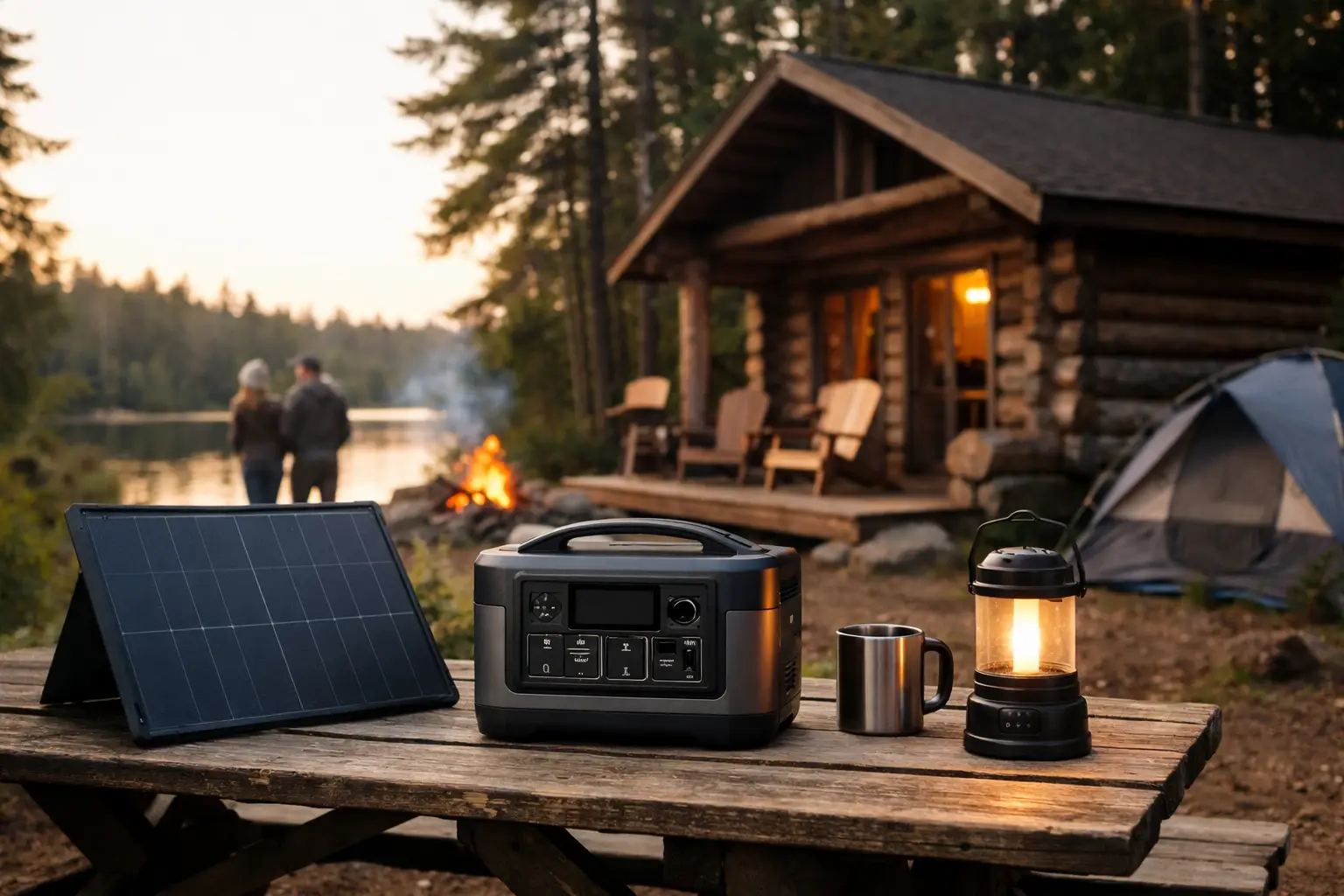
    Friday night at the cabin feels different when the lights come on without a generator rumble in the background. If you are looking for portable power for weekend camping cabin use, the goal is not to recreate your full house. It is to support the rituals that make a short escape feel calm, comfortable, and fully your own.

    That usually means a simple, quiet system that handles the basics well. Phone charging matters. So do lights, a fan, maybe a compact coffee maker, and enough reserve to get through a rainy morning without fuss. The best setup is the one that gives you freedom without turning every weekend into a power management project.

    What portable power for weekend camping cabin really needs to do

    A weekend cabin has a different rhythm than a full-time off-grid home. You are not building around daily heavy loads, and you probably do not need a large fixed battery bank just to enjoy two nights away. Most people want dependable power for comfort, safety, and a few familiar conveniences.

    That is why portable power stations make so much sense here. They are clean, quiet, easy to move, and far more approachable than piecing together a DIY system from scratch. For a modern cabin owner or weekend camper, that simplicity matters. You want to arrive, set down your bag, and settle in. You do not want to troubleshoot wiring by flashlight.

    Still, portable does not mean one-size-fits-all. The right unit depends on how you spend time at the cabin. A reading-and-reset weekend has very different power needs than a family trip with devices, speakers, cooking gear, and outdoor lights.

    Start with your actual cabin habits

    Before comparing battery sizes or output ratings, think about what you truly use over 48 to 72 hours. Most people overestimate some loads and underestimate others. A few small devices can add up, while one high-watt appliance can drain a battery surprisingly fast.

    Lighting is usually the easy part. LED lanterns, string lights, and small cabin lights are efficient and affordable to run from a portable power station. Charging phones, headlamps, cameras, and tablets also takes relatively little energy, especially if you are not trying to stay online all weekend.

    The bigger questions tend to be around comfort appliances. A fan for summer sleeping can be modest or demanding depending on the model. A heated blanket may use less power than a space heater and feel just as cozy for shoulder-season trips. A compact electric kettle or coffee maker can be manageable if used briefly, while a hot plate or full-size microwave may push a smaller power station beyond its limits.

    This is where intention matters. If your cabin time is about slowing down, you may not need to power every convenience from home. A good portable setup supports comfort without bringing back the noise and excess many people are trying to leave behind.

    Choose battery capacity based on use, not marketing

    Battery capacity is usually measured in watt-hours. In plain terms, that number tells you how much stored energy you have to work with. For portable power for weekend camping cabin trips, a small unit may cover lights and charging, but comfort starts to improve once you move into mid-capacity models.

    For a very simple setup, around 300 to 500 watt-hours can cover device charging, LED lighting, and maybe a small fan. That works well for solo trips, minimalist cabins, or backup use. It is enough for people who want convenience, not full electrical living.

    A more flexible range is often 700 to 1200 watt-hours. That gives you room for coffee in the morning, longer fan use, camera batteries, a laptop, better lighting, and some reserve if weather keeps you indoors. For many weekend cabins, this is the sweet spot. It feels capable without becoming bulky.

    Once you get into 1500 watt-hours and above, you can support more ambitious use cases, but portability starts to change. These units are heavier, cost more, and make the most sense if your cabin needs occasional appliance support or you are sharing power across a family or group. More capacity is not automatically better if it means dragging around a system you do not enjoy using.

    Output matters just as much as storage

    A power station can have plenty of battery capacity and still fail at the moment you need it if the output is too low. That is because some appliances demand a high surge when they start, even if they do not run at that level continuously.

    For cabin weekends, this is most relevant with coffee makers, kettles, mini fridges, blenders, and cooking devices. If you want to power anything with heat or a motor, check the running wattage and startup surge before you buy. A battery with a comfortable energy reserve but weak inverter output can feel surprisingly limited.

    That said, there is no reason to pay for oversized output if your lifestyle does not require it. If your cabin setup is based on lighting, charging, music, and a fan, a lower-output station may be exactly right. Buy for your real habits, not for imagined emergencies that never happen.

    Solar charging makes weekend freedom easier

    If your cabin gets good sun, portable solar panels can turn a power station from a short-stay convenience into a much more independent system. This is especially useful if you arrive with a partially charged battery, stay longer than planned, or visit often enough that topping off between trips becomes a routine.

    Solar also changes how power feels. Instead of treating energy like a shrinking resource all weekend, you gain the option to replenish during the day while you hike, read, cook, or do nothing at all. That is a better match for the pace of cabin life.

    The trade-off is that solar performance depends on weather, panel placement, and season. A panel can work beautifully in summer and feel less impressive in late fall under trees or cloud cover. That does not make solar less valuable. It just means it works best as part of a balanced system, not as a promise of unlimited energy.

    Quiet comfort beats generator culture

    There is a reason so many people are moving toward battery-based portable power for weekend camping cabin stays. Silence changes the experience. You hear the wind, the fire, the rain on the roof. You sleep better. You talk more. The space feels more like a retreat and less like a workaround.

    Generators still have a place, especially for heavy-duty needs, long outages, or larger off-grid systems. But for many weekend users, they solve the wrong problem. They bring fuel, maintenance, noise, and exhaust into a setting people choose specifically to feel lighter and less cluttered.

    A good portable power station fits the modern version of off-grid life. It is practical, low-drama, and easy to live with. It supports comfort without pulling you back into always-on habits.

    The best setup is often a simple one

    For most cabins, the smartest system is not complicated. A mid-size power station, a foldable solar panel, efficient lights, and a handful of low-draw essentials can cover a surprising amount. Add a cooler instead of a power-hungry fridge, use propane for heat or cooking where appropriate, and reserve battery power for the things that most improve your experience.

    That approach also leaves room to grow. You can start with a portable station for weekends, learn your real consumption patterns, and decide later if a larger solar-ready setup makes sense. That is a more confident path than overbuilding from day one.

    Off The Grid Store speaks to people who want that kind of clarity – less noise, more independence, and gear that supports the lifestyle rather than complicating it. The right power setup should feel the same way.

    What to prioritize before you buy

    Look for a battery chemistry designed for long life, especially if you plan to use the unit often. Think about weight if you will carry it from your car to the cabin or move it between home and camp. Check the outlets you actually need, because a great battery is only useful if it fits your devices.

    Charging speed is worth attention too. If you leave work Friday and want to top off quickly before the drive, fast AC charging can be genuinely helpful. If your cabin is warm in summer or cold in shoulder season, make sure the power station is rated for those conditions and understand any charging limitations in low temperatures.

    Most of all, resist the urge to buy for extremes. Your weekend cabin is not a test of endurance. It is a place to reset, reconnect, and enjoy a little more self-reliance. Choose portable power that supports that feeling with enough capacity to be useful, enough simplicity to be inviting, and enough flexibility to grow with your routine.

    A well-chosen power setup does more than keep devices alive. It protects the mood of the place, and that is often the real reason people go off-grid in the first place.

  • What Do You Need for Off Grid Living?

    What Do You Need for Off Grid Living?

    The first night off grid tells the truth fast. If your lights are low, your water runs short, or your setup feels more stressful than freeing, you notice it immediately. That is why the real question behind what do you need for off grid living is not just what to buy. It is what creates a life that feels calm, capable, and sustainable day after day.

    For most people, off-grid living is not about rejecting comfort. It is about choosing independence with intention. A well-built setup gives you quiet, control, and resilience without making every basic task harder than it needs to be. Whether you are outfitting a tiny home, a weekend cabin, or a full-time retreat, the essentials stay remarkably consistent.

    What do you need for off grid living first?

    Start with the systems that protect your baseline quality of life: shelter, power, water, sanitation, climate control, and food storage. Everything else matters, but those six categories decide whether your space feels livable.

    The mistake many people make is starting with gear instead of lifestyle. A beautiful solar setup will not save a space with poor insulation. A high-end water filter will not fix weak water access. Off-grid success usually comes from balance, not from overbuilding one category while ignoring another.

    Shelter that works with your environment

    Your structure shapes every other decision. A tiny home in the desert, a wooded cabin in the Pacific Northwest, and a mobile trailer in the Southwest all have different needs. Before you think about upgrades, think about exposure, insulation, ventilation, and durability.

    A good off-grid shelter should hold temperature well, manage moisture, and support your core systems without constant maintenance. If your roof cannot handle solar, your layout cannot support storage, or your windows turn every season into a battle, daily life gets expensive in both time and energy.

    This is where comfort becomes practical. Better insulation means less power demand. Smarter ventilation improves air quality and reduces mold risk. Durable materials reduce the number of repairs you have to solve without easy access to contractors or big-box stores.

    Reliable off-grid power

    If you ask what do you need for off grid living in one phrase, power independence is usually near the top. For most modern setups, that means solar paired with battery storage. It is quiet, scalable, and well suited to cabins, tiny homes, vans, and backup-ready properties.

    The right system depends on your actual usage. If you only need lights, device charging, a water pump, and a small fridge, your setup can stay relatively lean. If you want air conditioning, induction cooking, laundry, or full-time remote work, your power needs rise quickly.

    This is why energy planning matters more than panel shopping. Start by understanding your loads. How many watt-hours do you use in a day? What needs to run continuously? What can be timed for sunny hours? Once you know your habits, sizing a system gets much easier.

    A generator can still play a role, especially as backup during cloudy stretches or high-demand seasons. But for many lifestyle-driven off-grid builds, the goal is to reduce generator dependence, not normalize it.

    Water is the system you cannot improvise

    Power problems are annoying. Water problems shut everything down.

    A functional off-grid setup needs both water supply and water treatment. That supply might come from a well, rain catchment, hauled water, or a combination depending on location and local regulations. The treatment side usually includes filtration, safe storage, and sometimes purification for drinking water.

    You also need to think beyond drinking. Cooking, bathing, dishes, laundry, and cleaning all add up. Even minimalist households use more water than they expect at first. That does not mean you need excess. It means you need a realistic plan.

    Storage is where resilience lives. If weather shifts, delivery delays happen, or your primary source goes offline, reserve capacity gives you room to adapt. For many people, a simple, well-protected storage setup does more for peace of mind than a complicated collection system ever will.

    Sanitation and waste management

    This is the category people tend to avoid until they cannot. Off-grid living needs a clear plan for both human waste and gray water. Depending on your site, that could mean a septic system, composting toilet, incinerating toilet, or another approved solution.

    There is no universal best option. Septic can feel familiar and low-effort once installed, but it requires land suitability and upfront investment. Composting toilets appeal to small-space and mobile setups, but they work best when owners are comfortable with routine maintenance and proper use. Gray water systems can reduce strain on freshwater use, but they must be designed responsibly.

    Good sanitation is not glamorous, but it is part of what makes off-grid life feel clean, modern, and sustainable rather than improvised.

    Heating, cooling, and staying comfortable

    Many people imagine off-grid living as a power question. In reality, it is often a climate question.

    If your space gets too cold at night, too hot by afternoon, or too damp in shoulder seasons, comfort disappears fast. That is why climate control deserves attention early. Wood stoves, propane heaters, mini splits, fans, passive shading, thermal curtains, and strategic airflow all have a place depending on your region and system capacity.

    The smartest approach usually combines active and passive solutions. Seal gaps, insulate well, and manage sun exposure first. Then size your heating and cooling equipment around a structure that is already working with you instead of against you.

    This is one of the biggest trade-offs in off-grid design. People want residential comfort with minimal energy use, and that is possible to a point. But it takes planning. A poorly insulated cabin with a large AC demand will always be more expensive and harder to power than a compact, climate-smart space.

    Food storage, cooking, and daily function

    A beautiful location feels less beautiful when basic meals become complicated. Food systems matter because they affect how easy it is to stay off grid for more than a weekend.

    At minimum, most setups need reliable refrigeration, dry food storage, and a practical cooking method. That might be propane, solar-supported electric, wood, or a mix. The best setup depends on your power budget and how often you cook.

    A small, efficient fridge often makes more sense than a residential-size model in an off-grid home. Dry goods storage should protect against moisture, pests, and temperature swings. If your location is remote, build in enough capacity that you are not forced into constant resupply runs.

    This is also where intentional living becomes tangible. Simpler kitchens often create better routines. Fewer appliances, smarter storage, and durable tools can make a small space feel more functional, not less.

    Lighting, connectivity, and security

    Off-grid does not have to mean disconnected from every modern convenience. It means being selective.

    Efficient LED lighting is an easy win because it improves daily life without putting heavy strain on your system. Connectivity is more personal. Some people want full remote-work capability. Others want enough signal for weather updates, navigation, and emergencies. There is no wrong answer, but there should be a deliberate one.

    Security matters too, especially for second homes, cabins, and part-time properties. Good locks, exterior lighting, simple monitoring tools, and clear site awareness go a long way. You do not need to turn your retreat into a fortress. You do need to protect the investment you are building.

    What you need for off grid living beyond gear

    The less glamorous answer to what you need for off grid living is planning margin. Margin in power. Margin in water. Margin in budget. Margin in patience.

    Off-grid systems work best when they are not constantly pushed to the limit. A little extra battery capacity, extra water storage, backup fuel, spare filters, and replacement parts can turn a stressful setback into a small inconvenience. The goal is not overconsumption. It is avoiding fragility.

    You also need a mindset that values maintenance over emergency fixes. Pumps need checking. Batteries need monitoring. Filters need replacing. Roofs, seals, and wiring need periodic attention. The strongest setups are not always the most expensive. They are often the ones people understand well enough to maintain confidently.

    If you are still in the planning stage, start smaller than your fantasy and more thoughtfully than your impulse. Build around how you actually live. A weekend cabin does not need the same system as a full-time family home. A design-conscious tiny home can still be deeply resilient. A modern off-grid space can look clean, feel comfortable, and support the kind of slower, more self-directed life many people are after.

    That is the shift worth making. Off-grid living is not about proving how little you can live with. It is about creating a space where freedom feels dependable. If you build for that, the rest gets a lot clearer.