Category: Uncategorized

  • Are Solar Generators Worth It? A Real Look

    Are Solar Generators Worth It? A Real Look

    A dead phone at camp is annoying. A dead fridge in a cabin, a powerless work setup in a tiny home, or no backup during an outage is something else entirely. That is usually when people stop asking whether portable power sounds nice and start asking, are solar generators worth it?

    The honest answer is yes for the right lifestyle, and not always for the wrong expectations. A solar generator can be one of the cleanest, quietest ways to build more independence into your daily life. But it is not a magic replacement for every gas generator, every home battery system, or every off-grid power challenge.

    Are solar generators worth it for modern off-grid living?

    If your goal is more freedom with less noise, less maintenance, and less reliance on fuel, solar generators make a strong case. They fit naturally into the kind of off-grid life many people actually want now – weekend cabins, road trips, backyard studios, tiny homes, guest spaces, and backup power that does not feel like a whole second job.

    That matters because most people are not trying to run a remote homestead with power-hungry appliances all day. They want to keep the essentials on, stay comfortable, and maintain a sense of calm when the grid is unavailable or simply not part of the plan.

    A solar generator gives you stored battery power, usually in a portable unit, and the option to recharge it with solar panels, wall outlets, or car charging. In practical terms, that means no gasoline smell, no engine noise, and no pulling a cord to get started. For people building a quieter, more intentional setup, that convenience is not minor. It is the point.

    Where solar generators deliver real value

    The strongest argument for buying one is not raw power. It is flexibility.

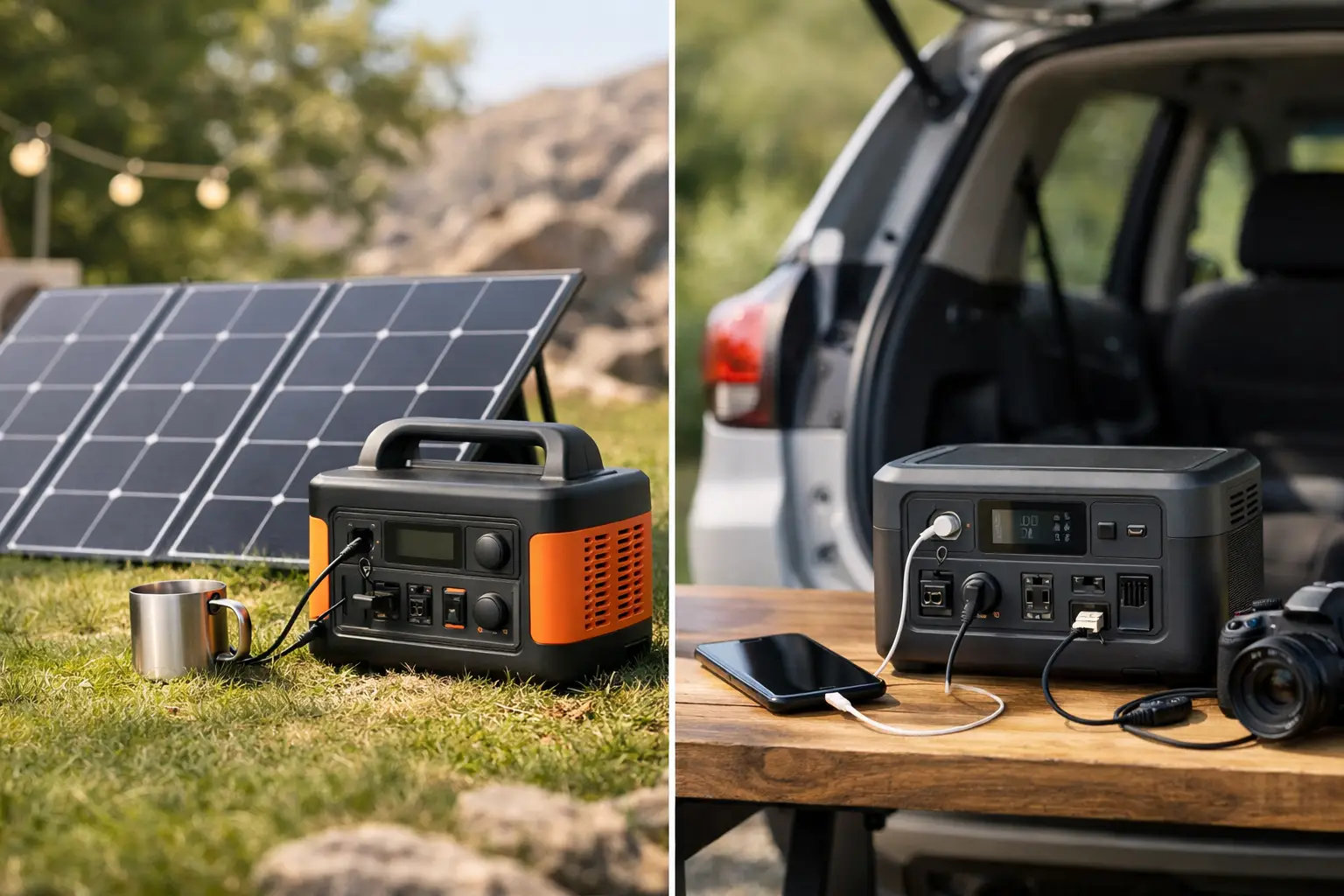
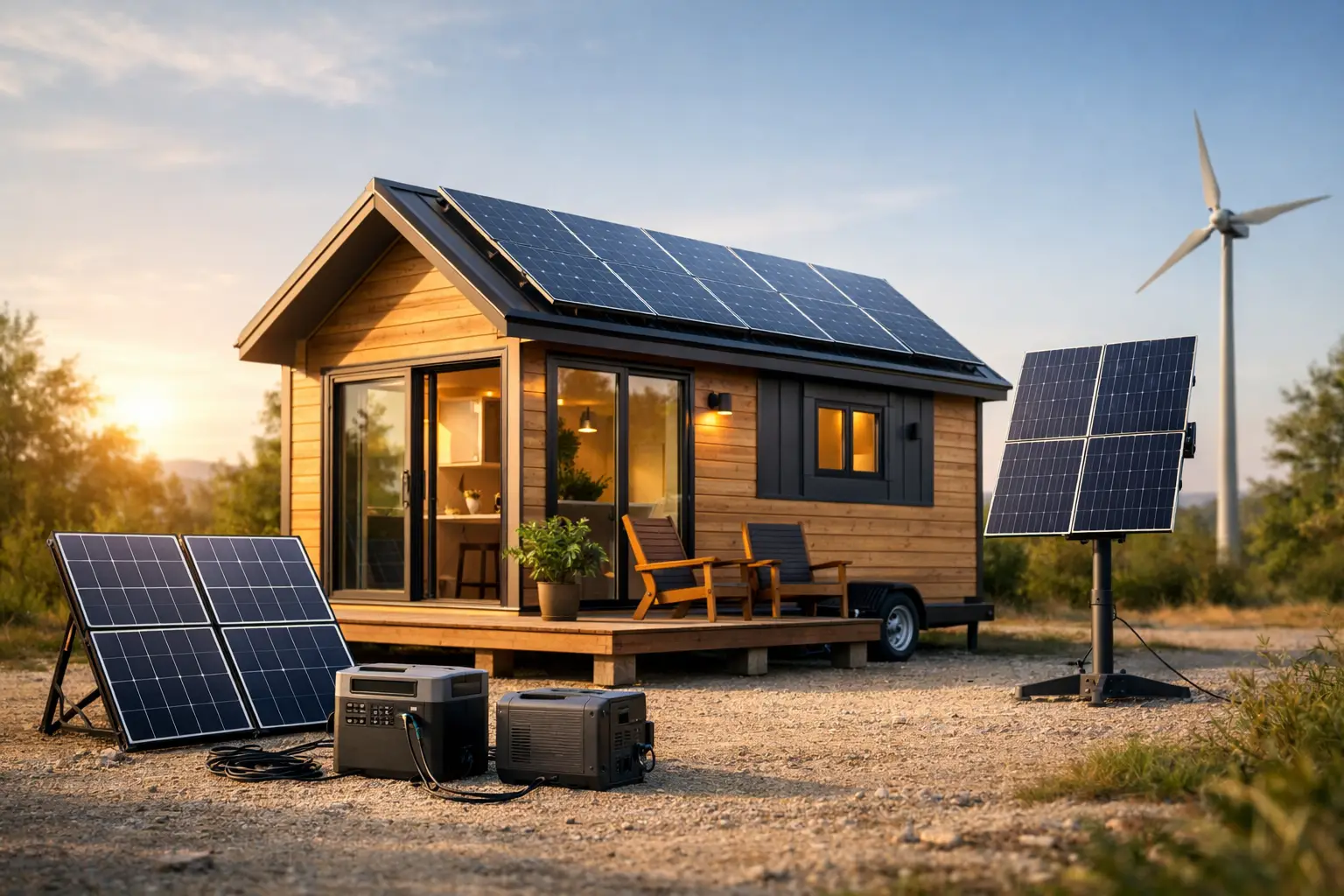
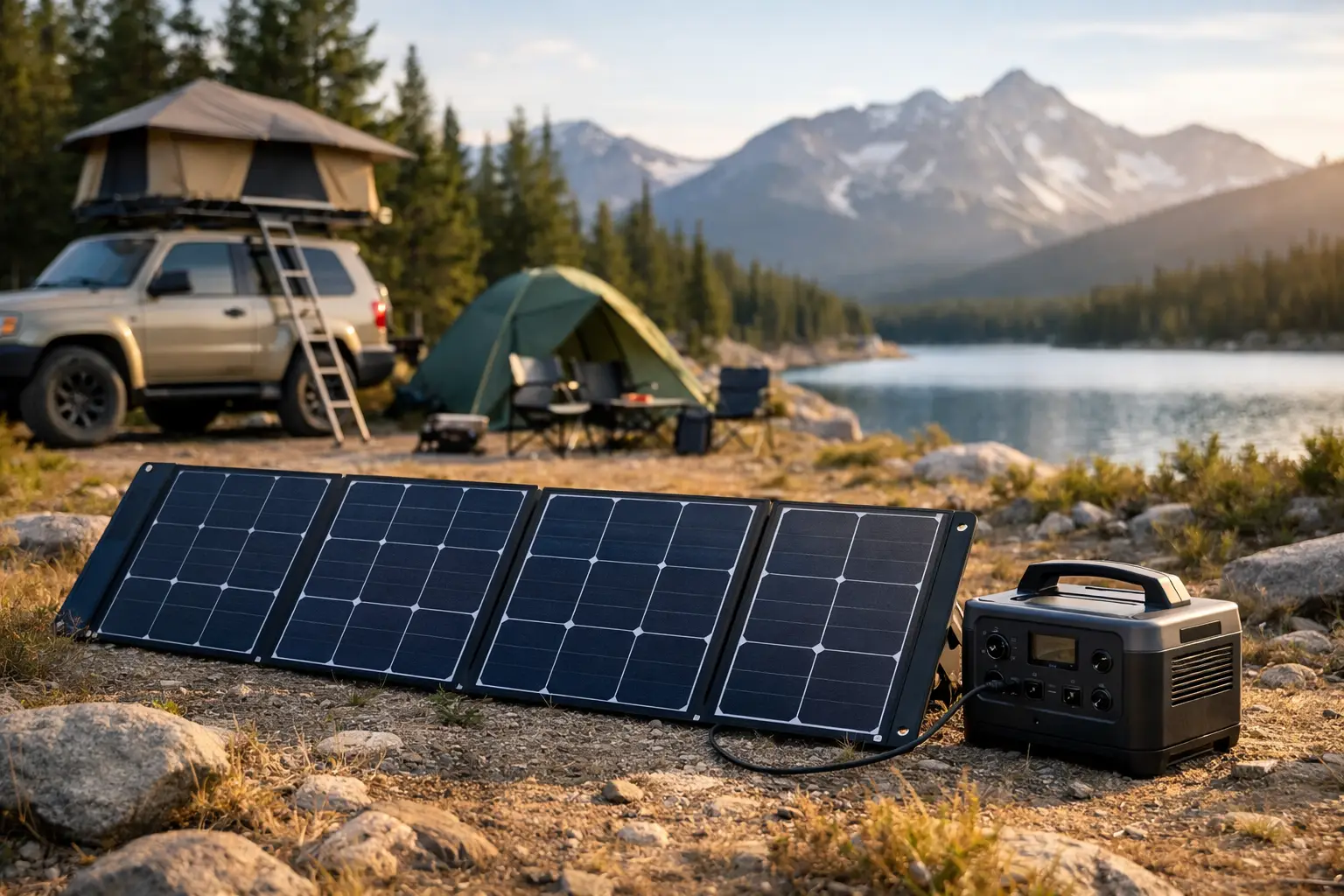
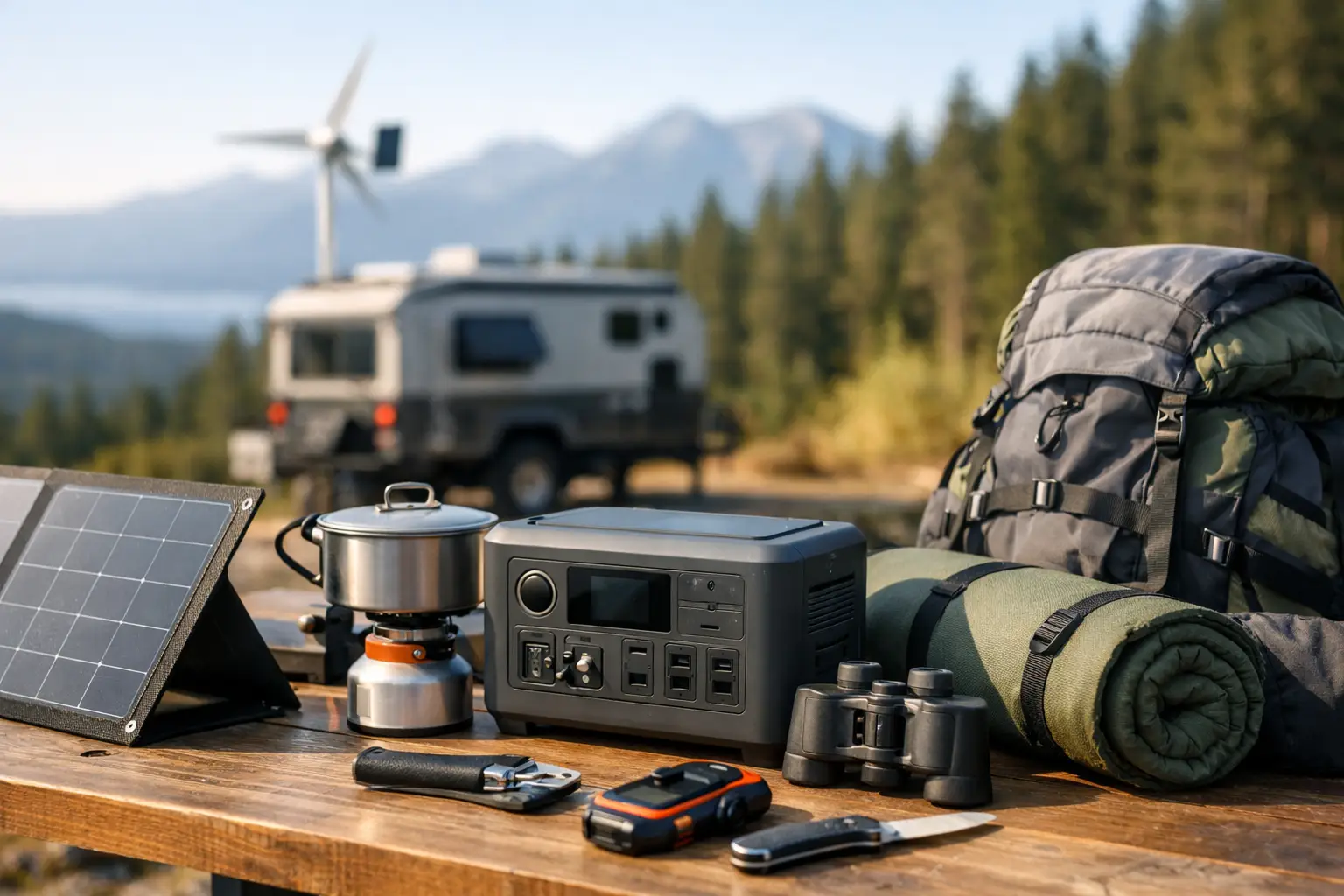
    For campers and travelers, a solar generator keeps your lights, phone, laptop, camera gear, fan, and small cooking or cooling accessories running without turning your campsite into a mechanical zone. For cabin owners, it can cover the basics during short stays or bridge gaps in a modest solar setup. For tiny home living, it can support a more mobile or modular power plan, especially if you are easing into off-grid systems instead of committing to a permanent install right away.

    They also make sense for backup use at home. If your area gets outages, a solar generator can keep your router, medical devices, lights, freezer, or phone charged without the hassle of storing fuel. That is especially appealing if you want resilience without the maintenance routine of a traditional generator.

    And then there is the emotional value, which people often overlook until they have it. Reliable portable power changes how a place feels. A retreat becomes more usable. A van trip becomes more comfortable. A backyard office becomes more independent. Power is not just about watts. It is about reducing friction.

    When the cost feels worth it

    Price is usually the sticking point. Solar generators are not cheap, especially if you buy a larger battery and the solar panels to match. That can make them feel like a luxury at first glance.

    But the value starts to sharpen when you compare them to the alternatives. Gas generators often cost less upfront, but they come with fuel, noise, maintenance, storage concerns, and limits on where you can use them safely. Whole-home battery systems offer more capacity, but they require a much larger investment and a fixed installation.

    Solar generators sit in the middle. They are more expensive than basic fuel-powered backup, but far more convenient for everyday use. They are less powerful than a full home energy system, but much more accessible and portable.

    For someone who will use it regularly – on trips, in a cabin, during outages, or as part of a small off-grid setup – the cost often feels justified because the product solves multiple problems at once. It is backup power, mobile power, and a cleaner path toward energy independence.

    If you only expect to use it once every two years in an emergency, the math changes. The value is much stronger when the generator is part of your lifestyle, not just an item in storage.

    The trade-offs most buyers should know

    This is where the answer gets more specific. Solar generators are worth it, but only if you buy for your actual needs instead of your imagined worst-case scenario.

    The biggest limitation is capacity. Many people see the word generator and assume they can run everything they own. That is rarely true. Smaller and mid-size units are excellent for devices, lighting, fans, routers, portable fridges, and some kitchen gear. They are not ideal for large air conditioners, electric water heaters, space heaters, or full-size dryers unless you move into a much larger and more expensive system.

    Charging time also matters. Solar sounds effortless, but real-world charging depends on panel size, weather, season, and placement. If you are relying heavily on solar input, you need realistic expectations. Cloud cover and shade reduce performance. Winter days are shorter. A compact panel setup may keep up beautifully with light loads, but struggle if you are draining the battery aggressively.

    Weight is another factor. Portability sounds simple until your “portable” battery weighs 60 pounds. Some units are easy to move. Others are better described as movable. If you plan to carry it often, size matters as much as output.

    Then there is lifespan. Batteries wear down over time, and premium models typically justify their cost with better battery chemistry, longer cycle life, faster charging, and stronger inverter performance. In this category, cheap can become expensive fast.

    Are solar generators worth it compared to gas generators?

    For many modern buyers, yes – especially if your priorities include quiet, clean indoor-safe battery use, and low maintenance.

    Gas generators still win on long-duration heavy output if you can keep fueling them. They are often better for power-hungry tools, larger appliances, and extended emergency use where sunlight is unreliable. If your main goal is brute-force backup for a large home, gas may still have a role.

    But that comparison misses why many people now choose solar generators. They are easier to live with. You can use them inside. You can recharge them in multiple ways. You can bring them to a campsite, a cabin, a tiny home, or a guest house without changing the feel of the space.

    That quality matters if your version of preparedness includes comfort and simplicity, not just survival. For a lot of Off The Grid Store customers, the better question is not which option creates the most power. It is which one supports the kind of life you are actually trying to build.

    Who gets the most from a solar generator

    The best buyers tend to fall into a few clear groups.

    If you travel often, work remotely from flexible locations, or spend weekends in places that are partly disconnected, a solar generator can become essential surprisingly fast. The same goes for tiny home owners and cabin owners who want modular power without overbuilding their system from day one.

    It is also a smart fit for people who want home backup without committing to a permanent battery wall. You get resilience, but on a smaller and more manageable scale.

    And if you are drawn to off-grid living because it offers less noise, more agency, and fewer dependencies, a solar generator aligns with that mindset. It supports a quieter kind of independence.

    Who may want a different solution

    If you need to run central air, full-size kitchen appliances nonstop, electric heating, or a large workshop, a portable solar generator may not be enough on its own. At that point, you are likely looking at a larger fixed solar-and-battery system, a generator-plus-battery setup, or a more comprehensive energy plan.

    It may also be the wrong buy if you are choosing based on aesthetics or trend appeal without mapping your actual power needs. These products work best when they are sized with intention. Otherwise, disappointment is almost guaranteed.

    The better way to decide

    Start with your real use case. What do you need to power, for how long, and how often? Are you covering weekend comfort, emergency essentials, or daily off-grid living? Do you need portability, or just backup? Will you recharge mostly from the wall, from the car, or from solar?

    Those questions matter more than brand hype or giant peak watt numbers on a product page. A right-sized setup feels useful immediately. A mismatched one feels expensive.

    So, are solar generators worth it? If you want cleaner backup, quieter travel, and a practical step toward energy independence, very often yes. Not because they promise everything, but because they make a more self-directed life easier to actually live.

    The smartest off-grid choices are rarely the most dramatic ones. They are the ones you keep using, season after season, because they quietly give you more freedom than you had before.
  • How to Choose Off Grid Gear That Fits

    How to Choose Off Grid Gear That Fits

    The wrong off-grid setup usually starts with good intentions and one bad assumption: that more gear means more freedom. In reality, the best systems feel quiet, reliable, and almost invisible. If you’re figuring out how to choose off grid gear, the goal is not to collect gadgets. It’s to build a setup that supports the way you actually want to live, whether that’s a weekend cabin, a solar-ready tiny home, or a simple place to unplug without giving up comfort.

    Start with your version of off-grid

    Off-grid living means very different things depending on where, how often, and why you’re using the space. A backcountry hunting cabin has different needs than a design-forward tiny home. A family using a weekend retreat every month will make different choices than someone preparing for full-time independent living.

    That is why the first filter is lifestyle, not product category. Before you compare batteries, water filters, or camp stoves, get clear on your real use case. Ask yourself how many people will use the space, how long you’ll stay at a time, what season matters most, and which comforts are non-negotiable. Refrigeration, hot water, lighting, device charging, and climate control all affect what gear makes sense.

    This step sounds simple, but it prevents the most common mistake in off-grid buying: purchasing for a fantasy version of the lifestyle. If your goal is calm weekends away from notifications, you likely need less than you think. If your goal is long-term resilience with modern comfort, you may need more system planning than impulse purchases.

    How to choose off grid gear by priority

    Once your use case is clear, choose gear in the order that protects comfort and function first. In most setups, that means starting with power, water, shelter support, food storage and cooking, then the smaller accessories that make the space feel finished.

    Power comes first

    Nearly every off-grid choice connects back to energy. Your lights, fridge, fans, pumps, internet backup, and charging stations all depend on a realistic power plan. That makes it hard to choose any major gear well until you understand what your system can support.

    Start by thinking in daily habits, not raw specs. Do you want a few lights and phone charging, or do you also want a fridge, induction cooktop, and portable AC? The difference is huge. A compact solar generator may be perfect for weekend use, but feel frustrating in a full-time setup with heavy appliance demand.

    It also helps to think beyond peak performance. A panel or battery may work beautifully in ideal weather, but your real experience depends on cloudy days, winter light, and how quickly you can recharge. The best off-grid gear is not just capable. It is forgiving.

    Water should feel simple

    Water systems get overlooked because they are less exciting than solar gear, but daily comfort depends on them. If hauling jugs feels fine for one-night trips, great. If you’re staying multiple days or hosting other people, that same setup can become annoying fast.

    Good water gear depends on source and convenience. If you’re collecting rainwater or drawing from a natural source, filtration quality matters. If you’re bringing in water manually, storage design and portability matter more. A sleek container with a poor spout can become a daily irritation. A pump that saves your back may be more valuable than a larger tank.

    This is where premium gear often earns its price. Better materials, easier cleaning, and thoughtful design make repetitive tasks feel lighter. Off-grid living works best when the basics don’t require constant workarounds.

    Cooking and refrigeration shape the experience

    People often underestimate how much food setup influences whether a place feels relaxing or inconvenient. The right cooking gear depends on how you actually eat. If you love simple one-pan meals, your needs are different from someone who wants espresso, cold storage, and full meal prep.

    Portable stoves, propane systems, 12V fridges, coolers, and compact kitchen tools all have a place, but not every place. A powerful fridge is useful only if your energy system can support it. A beautiful cook station is less appealing if it takes too long to set up every time you arrive.

    Choose for rhythm. If you want fast arrivals and easy mornings, favor gear that is ready quickly, stores cleanly, and handles repeated use without fuss. If your off-grid space is a longer-stay cabin or tiny home, built-in efficiency may matter more than portability.

    Match gear to the environment, not just the idea

    A lot of people shop for off-grid gear based on a mood board. The better approach is to shop for weather, terrain, and maintenance reality. Heat, cold, humidity, dust, elevation, and transportation limits all influence what will last.

    A product that works well in mild climates may struggle in freezing temperatures. Lightweight gear may be perfect for mobility but less ideal for fixed locations that see hard seasonal wear. Materials matter more off-grid because replacement is rarely instant and failure is more disruptive.

    Ask practical questions. Will this item stay outside? Can it handle moisture? Does it rattle loose on rough roads? Is it easy to repair or clean without specialized service? Good off-grid gear should support independence, not create fragile dependence on ideal conditions.

    Buy fewer pieces, but buy better

    One of the cleanest ways to decide how to choose off grid gear is to focus on systems instead of one-off products. A battery paired with compatible panels, practical storage, and realistic appliances is more valuable than a bigger battery chosen in isolation. A water setup with collection, purification, and dispensing thought through is better than a premium filter alone.

    This mindset usually leads to fewer purchases and better outcomes. It also protects your budget. Off-grid buyers often overspend on visible hero products and underspend on the parts that make those products usable, such as mounts, cables, containers, backup charging options, or weather protection.

    There is also a design advantage here. Off-grid spaces tend to be smaller, so every item affects visual calm as well as function. Gear that nests well, stores cleanly, and serves more than one purpose helps your space feel intentional instead of crowded.

    Know where portability matters

    Not every off-grid setup needs to be highly mobile, but many benefit from some flexibility. If you split time between a cabin, van, guest house, or outdoor work area, gear that moves with you can offer more value than fixed equipment.

    That said, portability has trade-offs. Foldable and lightweight products are easier to transport, but sometimes less durable or lower capacity. Fixed systems can feel more stable and effortless once installed, but they require stronger upfront planning.

    A good rule is to be honest about setup tolerance. If you don’t enjoy unpacking, assembling, and troubleshooting each trip, portable gear can lose its appeal quickly. Freedom is not just about movement. It’s also about ease.

    Don’t let specs overpower usability

    Technical details matter, but they are not the whole story. A product page can tell you wattage, storage volume, or charge time. It tells you less about noise, awkward handles, hard-to-read displays, or whether a latch becomes frustrating after a month.

    Usability is what makes gear worth keeping. The more often you use something, the more small design flaws matter. This is especially true in off-grid living, where routines are more hands-on and there is less room for gear that creates friction.

    Look for products that reduce decisions and repetitive effort. Intuitive controls, reliable materials, easy maintenance, and smart storage often make a bigger difference than one standout spec.

    Leave room to grow

    Your first setup does not need to be your forever setup. In fact, it probably should not be. The smartest approach is to build around your current needs while leaving room to expand as your lifestyle becomes more defined.

    That may mean choosing a scalable power station, modular solar input, stackable water storage, or compact essentials before adding comfort upgrades. You learn a lot from real use. After a few trips or a season in a tiny home, your priorities usually become obvious.

    This is where a curated retailer can save time. Brands like Off The Grid Store help narrow the field so you’re choosing between solutions that fit the lifestyle, not sorting through products built for completely different users.

    What the right gear should feel like

    The best off-grid gear does not constantly ask for your attention. It supports longer mornings, quieter evenings, and more confidence in your space. It helps you cook without hassle, keep the lights on, store water cleanly, and settle into a rhythm that feels lighter than everyday life.

    So when you choose, don’t ask only what a product can do. Ask what it makes possible. The right setup should give you more time, less noise, and a stronger sense that your space is working with you, not against you.

  • Can Solar Power Run Appliances?

    Can Solar Power Run Appliances?

    That quiet morning cabin setup sounds simple until the coffee maker, mini fridge, and phone charger all want power at once. So, can solar power run appliances? Yes – but the real answer depends on which appliances you mean, how long you want to run them, and whether your system is built for daily comfort or occasional backup.

    For most people building a more self-directed lifestyle, solar is less about powering everything at once and more about powering the right things well. A thoughtful setup can absolutely support modern comfort in a tiny home, weekend retreat, van, or off-grid cabin. The key is knowing where solar performs beautifully and where it asks for more planning.

    Can solar power run appliances in real life?

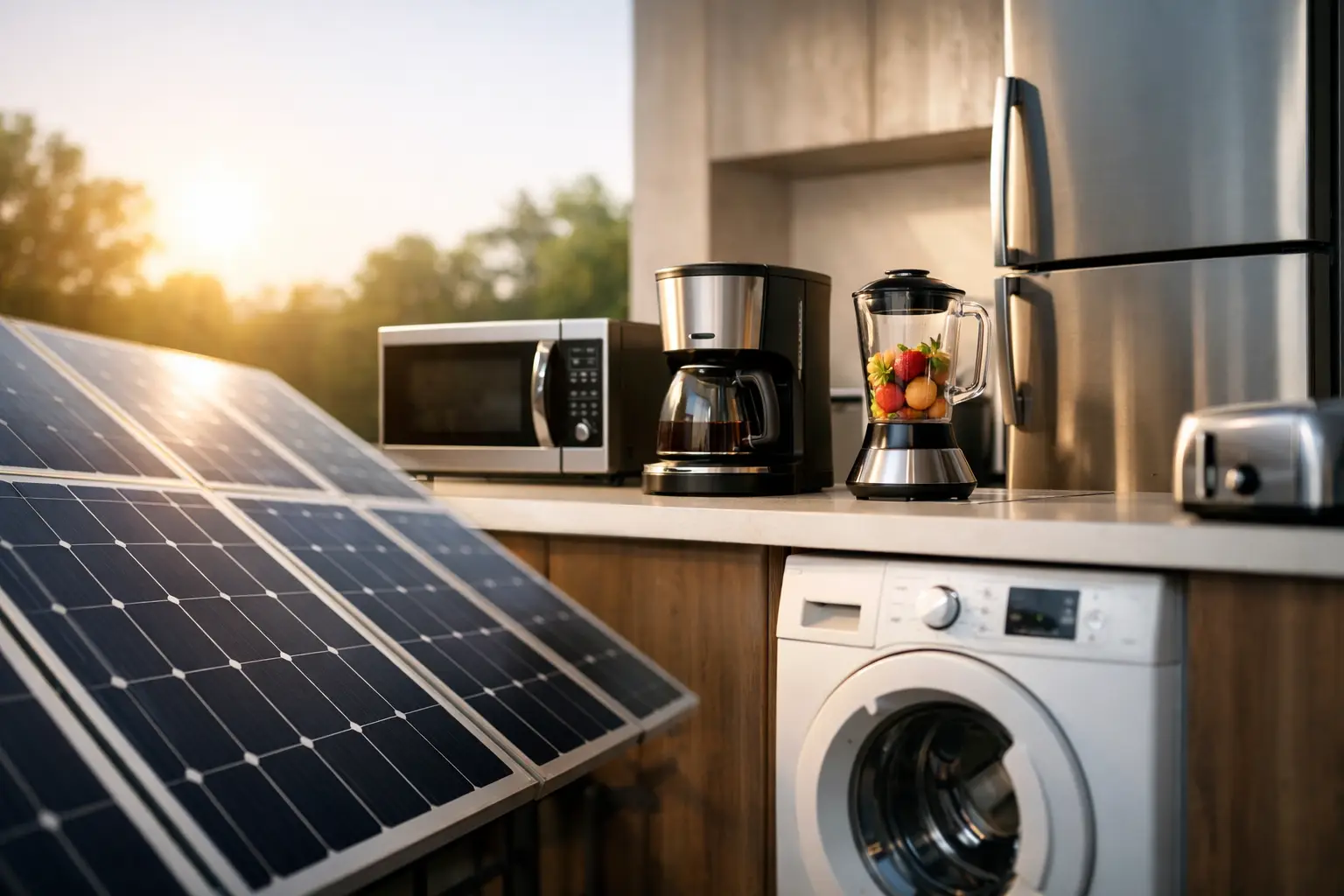
    Solar can run appliances every day. Lights, fans, laptops, routers, TVs, blenders, mini fridges, and efficient kitchen gear are all common in solar-supported setups. If your goal is a calm, functional space that feels independent without feeling stripped down, that is very achievable.

    Where people get into trouble is assuming solar works like a utility connection with unlimited supply. It does not. Solar is a stored-energy system. Your panels generate power when the sun is available, and your batteries hold that power for later. Every appliance you turn on draws from a limited daily budget.

    That does not make solar restrictive. It just means your system works best when it matches your habits. If you mostly want to run essential comforts, charge devices, keep food cold, and enjoy a few household conveniences, solar is a strong fit. If you want central air, electric heat, a full-size dryer, and long high-wattage cooking sessions, the system becomes larger, more expensive, and less practical for many off-grid lifestyles.

    What appliances run well on solar power?

    The best solar-friendly appliances are efficient, predictable, and not constantly drawing huge amounts of electricity. Refrigerators designed for low energy use are one of the biggest wins. LED lighting is another. Device charging barely moves the needle compared with heating and cooling loads.

    Small kitchen appliances can also work well, but timing matters. A blender or coffee grinder runs for short bursts, so even if it draws decent power, it may not consume much energy overall. A microwave can be similar – high draw, short runtime. That is very different from an appliance like a space heater, which may draw a lot of power continuously.

    Fans, portable induction cooktops used briefly, efficient washing machines, and entertainment devices often fit comfortably into a well-sized system. Many modern tiny homes and cabins are built around exactly this kind of energy profile: efficient basics, short-use convenience appliances, and fewer wasteful loads.

    Appliances that usually fit solar better

    Appliances with motors or heating elements can be fine if they are used strategically, but not all of them are equal. A laptop is easy. A toaster is possible. A hair dryer is doable in some setups, but it can be a rude surprise if your inverter or battery bank is undersized.

    A useful way to think about it is this: low and steady is easy, short and intense is manageable with the right equipment, and high-demand for long periods is where solar gets expensive fast.

    Appliances that demand more planning

    Air conditioners, electric water heaters, clothes dryers, electric ovens, and resistance space heaters are the usual pressure points. They are not impossible. They just require far more panel capacity, larger batteries, and a stronger inverter. For many people, that trade-off does not align with the simplicity they actually want.

    A more intentional off-grid setup often uses alternatives. Propane for water heating or cooking, wood for supplemental heat, better insulation, shaded design, and energy-efficient appliances can reduce electrical demand without sacrificing comfort.

    The three things that decide whether solar can run your appliances

    The answer comes down to wattage, runtime, and surge power.

    Wattage is how much power an appliance needs while operating. Runtime is how long you use it. Surge power matters because some appliances, especially those with compressors or motors, need extra power for a moment when they start.

    A 60-watt laptop charger used for three hours is a light load. A 1,500-watt space heater used for the same time is an entirely different category. Even if your panels can produce enough energy over the course of a sunny day, your inverter still has to handle the heater’s real-time power demand, and your batteries have to carry that load when the sun drops.

    This is why solar sizing should start with your lifestyle, not with a generic kit. A weekend cabin owner who wants a fridge, lights, and music has different needs than a family living full-time in a tiny home with a well pump and work-from-home setup.

    How to estimate if your appliances will work on solar

    Start by checking the wattage label on the appliances you care about most. Then estimate how many hours per day each one will run. Multiply watts by hours to get watt-hours.

    If a mini fridge averages 80 watts over 10 hours of actual runtime across a day, that is about 800 watt-hours. If your laptop uses 60 watts for 4 hours, that adds 240 watt-hours. Add your lights, fan, router, and anything else you want to use.

    This total gives you a rough daily energy need. Then compare it against the energy your solar panels can produce and your batteries can store. You will also want some breathing room for cloudy days, inefficiencies, and future additions. A system that only works on paper tends to feel fragile in real life.

    If you are new to this, the easiest mistake is focusing only on panel wattage. Panels matter, but batteries and inverter capacity matter just as much. Plenty of people buy enough panel power and still cannot run what they want because their inverter cannot handle startup surges or their battery bank is too small for evening use.

    Can solar power run appliances overnight?

    Yes, but at that point your battery bank is doing the heavy lifting. Solar panels do the charging during daylight hours. Batteries carry the load after sunset, early in the morning, and during bad weather.

    That means overnight use is less about how many panels you have and more about how much stored energy you have available. A fridge, a CPAP machine, lights, and device charging overnight are common battery uses. Running a portable AC all night is possible in some systems, but it is one of the fastest ways to discover how expensive comfort can get when it is powered electrically.

    For off-grid living that feels calm instead of constantly managed, battery capacity is often where it makes sense to invest. It gives you freedom, not just power.

    A better question than “can solar power run appliances”

    The better question is: which appliances matter most to the way you want to live?

    That shift changes everything. If your vision of independence includes good coffee, cold food, warm lighting, a fan, a speaker, and enough charging power to work or unwind, solar can support that beautifully. If your goal is to recreate a conventional suburban energy profile in a remote location, it can still be done, but the system stops being simple and starts becoming infrastructure-heavy.

    The most satisfying setups are usually the ones built around priorities. Comfort first. Waste second. That is where modern off-grid living feels less like sacrifice and more like design.

    Building a solar setup that feels effortless

    A reliable system starts with energy-efficient appliances. It continues with realistic expectations about seasonal sunlight, weather, and daily habits. And it gets much better when loads are staggered instead of stacked. Running the blender, microwave, and hair dryer at different times is easier on your system than expecting them to behave like they are plugged into an endless grid.

    This is also where quality matters. Better batteries, dependable inverters, and efficient appliances reduce friction. They make the experience feel quieter, steadier, and more aligned with why many people choose off-grid living in the first place.

    For buyers stepping into this lifestyle, the goal is not technical perfection. It is confidence. You want a setup that supports your space and your rhythm without forcing you to think about power every hour of the day. That is why thoughtful planning beats overspending on random components every time.

    At Off The Grid Store, that mindset is central to the entire category. The best gear is not the flashiest option. It is the option that gives you dependable freedom.

    Solar can absolutely run appliances. The real win is choosing a system and a set of appliances that support the life you actually want to lead. When your power setup matches your priorities, independence starts to feel natural.

  • Solar Generator vs Power Station

    Solar Generator vs Power Station

    A quiet cabin morning gets interrupted fast when your phone is at 3 percent, the lights are fading, and the cooler still needs power. That is usually when the question stops being theoretical: solar generator vs power station – which one do you actually need?

    The short answer is that many people use these terms as if they mean the same thing. In everyday shopping, they often do. But if you are building a setup for weekend escapes, a tiny home, a van, or a more intentional backup plan at home, the difference matters because it changes what you buy, how you charge it, and how independent your system really is.

    What solar generator vs power station really means

    A power station is the core device. It is a portable battery system with outlets that let you run or recharge electronics and appliances. Most include AC outlets, USB ports, and sometimes 12V car-style outputs. Think of it as stored energy in a clean, quiet, user-friendly box.

    A solar generator is usually that same power station paired with solar panels, either included in the package or intended to be used together. The word generator can be misleading because nothing is being generated on demand the way a gas generator works. The energy is stored in the battery, then replenished from the sun.

    That is why the terms get blurred. A brand may sell a portable power station, but once you connect it to solar panels, many shoppers start calling the whole setup a solar generator. They are not wrong in casual use. Still, the distinction is useful: the power station is the battery unit, and the solar generator is the broader solar-charging system.

    Why the difference matters for off-grid living

    If your goal is convenience, a power station alone may be enough. You charge it from a wall outlet before a road trip, bring it to camp, and use it for a weekend. It is simple, quiet, and clean.

    If your goal is longer independence, a solar generator setup makes more sense because it gives you a way to recharge away from the grid. That is the real shift. You are no longer just carrying stored power with you. You are creating a renewable loop that supports a more self-directed lifestyle.

    For many people, this is where off-grid living starts to feel less like a compromise and more like a choice. A battery gets you through a trip. Solar-supported charging extends that freedom.

    A power station is best when portability comes first

    Power stations shine when you want reliable electricity without noise, fuel, or setup headaches. They are ideal for charging laptops, phones, cameras, routers, lights, portable fridges, and small kitchen gear. For short trips and light daily use, they often cover exactly what people need.

    They also work well as apartment-friendly backup power. If the grid goes down for a few hours, a power station can keep essentials running without forcing you into a full home backup system. For people easing into off-grid gear, that simplicity is part of the appeal.

    There is a trade-off, though. Once the battery is empty, you need a way to recharge it. If you are not connected to solar, that usually means a wall outlet or vehicle charging. For cabin stays, remote camps, or longer outages, that limit shows up quickly.

    A solar generator setup is best when recharge freedom matters

    A solar generator setup is the better fit when you want your system to keep working beyond the first battery cycle. That makes it especially attractive for cabins, tiny homes, van travel, outdoor workspaces, and backup plans built around resilience rather than short-term convenience.

    The biggest benefit is not just sustainability. It is autonomy. Solar charging lets you stay out longer, rely less on hookups, and reduce the mental load of managing every watt like a countdown clock.

    That said, solar is not magic. Performance depends on panel size, battery capacity, weather, season, and how much power you are using each day. If you run a fridge, starlink, lights, and a fan in a shaded campsite, a small panel setup may not keep up. Solar works best when the battery and panel input are sized for your real habits, not your most optimistic assumptions.

    The buying mistake people make most often

    Most mistakes do not come from choosing the wrong label. They come from choosing the wrong size.

    Someone buys a sleek portable unit because it looks clean and capable, then expects it to run high-draw appliances for hours. Or they add a small folding panel and assume they now have endless power. In reality, capacity and input speed matter more than the marketing term on the box.

    When comparing options, focus on three things: how much energy the battery stores, how much power the unit can deliver at once, and how fast it can recharge from solar. Those numbers tell you much more than whether a product is called a solar generator or a power station.

    How to choose based on your lifestyle

    If you take weekend trips and want easy power for devices, lights, and a cooler, a power station may be all you need. Charge it before you leave, keep your setup light, and enjoy the quiet.

    If you spend multiple days off-grid, work remotely from the road, or want a cabin system that does not depend on frequent trips back to civilization, a solar generator setup is usually the smarter investment. It gives you a path to recharge where you are, which changes the entire experience.

    If you are building a tiny home or a more serious retreat setup, it helps to think one step ahead. Ask not only what you want to power now, but what kind of rhythm you want your space to support. Morning coffee, charged tools, reliable lighting, a fan at night, and enough reserve to feel comfortable rather than cautious – that is a different system than one built only for emergency phone charging.

    Solar generator vs power station for common use cases

    For travel, the answer depends on trip length and vehicle space. A compact power station is often the better match for short getaways because it is easy to pack and fast to use. For overlanding, vanlife, and longer camping, adding solar gives you more flexibility and fewer recharge stops.

    For cabins, solar usually makes more sense. Even if you start with a portable unit, the ability to harvest energy on-site fits the whole point of retreating from constant dependence. You can keep things simple and still create real comfort.

    For home backup, a power station can be enough for short outages and essential devices. A solar generator setup adds staying power, especially during longer disruptions, but it requires realistic expectations. Running a full-size air conditioner or electric water heater is a different category entirely.

    For tiny homes, either can work, but the decision comes down to whether you want temporary support or an actual part of your daily energy system. If it is part of daily living, solar integration matters much more.

    The language can be messy, so shop with clarity

    Some brands market almost every battery unit as a solar generator, even when panels are sold separately. Others call everything a portable power station, even when the product is clearly designed for solar charging. That can make comparison harder than it needs to be.

    The best approach is to ignore the label for a moment and ask a few practical questions. Does it include solar panels or require them separately? How much battery capacity does it have? What is the solar input limit? Can it support the appliances you care about without strain? Those answers matter more than the naming convention.

    At Off The Grid Store, that is the mindset worth keeping. Buy for the life you want to support, not the buzzword that sounds more impressive.

    So which one should you choose?

    If you want straightforward, portable energy for short-term use, choose a power station. If you want renewable recharging and a stronger sense of independence, choose a solar generator setup. And if you are seeing the same product described both ways, that is not unusual – it often means you are looking at a power station that becomes a solar generator once panels enter the picture.

    The better question is not which term wins. It is which setup gives you more freedom with less friction. Choose the one that fits your pace, your space, and the kind of quiet you are trying to protect.

  • How to Build a Solar Charging Station

    How to Build a Solar Charging Station

    The fastest way to make an off-grid setup feel real is to power something useful with your own system. A phone, a laptop, a lantern, a router at a cabin, or a small fridge in a weekend retreat – once those essentials run on stored sunlight, independence stops being an idea and becomes part of your daily rhythm. If you’re wondering how to build a solar charging station, the good news is that you do not need to start with a full-home system. A well-planned charging station is one of the smartest, most approachable ways to build confidence with solar.

    For most people, the best setup is not the biggest one. It is the one that matches how you actually live. A compact station for a tiny home or camp kitchen has very different needs than a backup power hub for a detached office or cabin. Start there, and the rest gets much easier.

    How to build a solar charging station that fits your life

    Before you buy a single component, decide what the station is meant to do. That sounds obvious, but this is where many DIY solar projects get bloated. If your real goal is to keep phones, battery packs, lights, and a laptop charged over a weekend, you do not need the same system you would build for power tools or refrigeration.

    Think in terms of daily energy use. Count the devices you want to charge, how often you use them, and whether they run directly from USB, 12V, or standard household AC outlets. A phone might need very little power, while a laptop, camera battery system, or portable fan adds up quickly. If you want your station to feel dependable rather than barely adequate, build with some margin.

    A simple solar charging station usually includes four core parts: a solar panel, a charge controller, a battery, and your output connections. Those outputs might be USB ports, 12V sockets, or an inverter if you need regular wall-style outlets. Some people build everything into a weather-resistant box or cabinet. Others create a clean shelf-based setup inside a shed, van, cabin, or mudroom. Either approach works if the wiring is safe and the environment is appropriate.

    Choose your power source and storage wisely

    The solar panel collects energy, but the battery determines how usable your station feels after sunset or during cloudy weather. This is why battery choice matters as much as panel size.

    For modern off-grid living, lithium iron phosphate batteries are often the better fit. They cost more upfront than lead-acid, but they are lighter, last longer, charge more efficiently, and generally require less maintenance. If you’re building a station for convenience, mobility, and regular use, lithium usually justifies the investment. Lead-acid can still work for tighter budgets or occasional use, especially in stationary setups, but it asks more of you in return.

    Panel sizing depends on both your loads and your location. A 100W panel may be enough for light charging needs in sunny conditions. If you plan to charge several devices daily or want more consistent performance across seasons, 200W to 400W gives you more breathing room. Roof-mounted panels are great for permanence, while portable folding panels work well for flexibility. The trade-off is convenience versus optimization. Fixed panels are always working. Portable panels let you chase better sun.

    Then comes the charge controller, which regulates power from the panel to the battery. For smaller, budget-conscious systems, PWM controllers can work. For better efficiency, especially with higher-voltage panels or less predictable light, MPPT controllers are usually worth it. They help you get more usable energy from the same solar input, which matters when space is limited.

    The simplest build for most users

    If your goal is practical independence without turning this into a full electrical hobby, keep the system architecture simple. A typical station might use one or two panels, a 12V lithium battery, an MPPT charge controller, fuse protection, and a modest pure sine wave inverter. Add USB charging ports and a 12V outlet panel if you want direct DC charging for small devices.

    This kind of setup works well in a cabin corner, garage, workshop, van, or covered outdoor kitchen. It can charge phones, tablets, laptops, rechargeable lanterns, camera batteries, portable speakers, and other daily essentials without requiring constant attention. It also gives you a strong foundation if you want to expand later.

    If portability matters most, you can mount the battery and electronics inside a rugged case with external ports. If aesthetics and daily ease matter more, build the station into a clean cabinet or bench so it feels like part of the space rather than a pile of gear. Off-grid living works better when the setup supports your habits instead of interrupting them.

    Wiring and safety matter more than people expect

    The actual process of how to build a solar charging station is straightforward, but this is the part where shortcuts cause problems. Every connection should be sized correctly for the current it will carry. Use proper wire gauges, install fuses close to the battery, and avoid loose, exposed, or improvised terminals.

    The basic flow is simple: solar panel to charge controller, charge controller to battery, and battery to your loads or inverter. Follow the controller’s wiring sequence exactly, since many units are designed to connect to the battery first. Use ring terminals, fuse holders, bus bars, and shutoff switches where appropriate. Labeling the system is also worth the effort, especially if you plan to expand or troubleshoot later.

    Ventilation and placement depend on your battery type and enclosure. Lithium batteries are generally easier to house than lead-acid, but all electronics benefit from dry, stable conditions and airflow. Keep the station out of direct weather unless every component is truly rated for it. A covered patio may feel protected, but humidity, heat, and dust still take a toll.

    If AC power is part of your station, choose a pure sine wave inverter for sensitive electronics. Modified sine wave units are cheaper, but they can create issues with laptops, chargers, audio gear, and anything that expects cleaner power. For a modern lifestyle setup, reliable performance usually matters more than shaving a little off the upfront cost.

    Build for real use, not just ideal weather

    A solar charging station that only works on sunny Saturdays is not much of a station. The more useful approach is to design for ordinary conditions. That means accounting for cloudy days, shorter winter daylight, and those moments when more devices need charging than expected.

    Battery capacity is what carries you through those gaps. If your station is meant for occasional recreation, you can size it more tightly. If it supports remote work, emergency backup, or regular cabin living, give yourself reserve. This is where a lot of frustration starts – not because solar is unreliable, but because the system was built too close to the edge.

    It also helps to separate critical loads from convenience loads. Charging phones, lights, and communication devices may be non-negotiable. Running a blender or entertainment gear might be optional. When you understand that difference, you can build a system that protects what matters most without overspending.

    A few design choices that make the station better

    Good off-grid systems are not just functional. They are easy to live with. Add a battery monitor so you can see real state of charge instead of guessing. Include a master shutoff switch so maintenance is less stressful. Use weather-resistant ports if the station sits near doors, porches, or utility areas. Mount components neatly with room for airflow and future access.

    If you’re building for a cabin, retreat, or tiny home, think about daily movement. Place the station where people naturally charge things, not where the wiring happened to be convenient. Near an entry bench, built-in desk, utility nook, or kitchen side wall often makes more sense than hiding it in a hard-to-reach corner.

    This is also where a design-conscious approach pays off. A solar setup does not have to look improvised to be capable. Clean cable runs, a durable enclosure, and thoughtfully placed outlets make the whole system feel calmer and more intentional. That matters when your broader goal is a lower-noise, more self-directed way of living.

    When a prebuilt power station may be the better choice

    There is one honest trade-off worth naming. If you want customization, expandability, and the best value over time, a DIY system usually wins. If you want plug-and-play simplicity with minimal setup, a prebuilt solar generator can be the better path. It is often more expensive per watt-hour, but it reduces wiring complexity and can be ideal for travel, renters, or anyone easing into solar.

    For many people, the smartest move is to start with a small custom station and scale from there. That gives you a working system now and clearer insight into what you actually need next. Off The Grid Store speaks to this kind of progression well – not as a jump into extremes, but as a practical shift toward more freedom and less dependence.

    Building your own solar charging station is not about chasing perfection. It is about creating one reliable point of independence that fits your space, your pace, and your version of off-grid living. Start with what you need, build it cleanly, and let the confidence that comes from self-powered everyday use shape what comes next.

  • Solar Ready Tiny House Guide for Smart Setups

    Solar Ready Tiny House Guide for Smart Setups

    A tiny house can feel beautifully simple right up until you start asking where the power will come from. That is where a solid solar ready tiny house guide matters. If you want real independence, not just the look of it, your home needs to be planned around energy from the start.

    The good news is that going solar-ready does not mean turning your build into an engineering project that takes over your life. It means making smart decisions early so your tiny house can support solar easily, cleanly, and without expensive rework later. For most people, that is the difference between a tiny home that feels freeing and one that feels like a compromise.

    What solar-ready actually means

    A solar-ready tiny house is not always a fully solar-powered tiny house. That distinction matters. Solar-ready means the structure, wiring, and core systems are designed so panels, batteries, charge components, and backup power can be added with minimal disruption.

    In practice, that usually means you have a dedicated space for batteries and inverter equipment, pre-planned wire runs from roof to power center, enough roof capacity for a useful solar array, and an electrical system that can work with off-grid components rather than fight them. It is a design mindset as much as a feature set.

    If you are still deciding whether you want full off-grid capability or a hybrid setup with grid or generator backup, solar-ready is often the smartest place to start. It gives you flexibility without forcing every decision upfront.

    Start with your lifestyle, not the panels

    The most common mistake in any solar ready tiny house guide is starting with wattage charts before looking at real life. Your energy system should match how you plan to live.

    A weekend retreat has very different needs than a full-time tiny home. If you are powering lights, charging devices, running a vent fan, and keeping a small fridge cold for two or three days at a time, your system can stay relatively modest. If you are working remotely, using air conditioning, relying on an induction cooktop, or heating water electrically, the equation changes quickly.

    This is where restraint helps. Tiny living works best when your energy choices are intentional. Propane appliances, wood heat, or high-efficiency DC options can dramatically reduce the size and cost of your solar setup. That does not make the home less modern. It makes it more resilient.

    The solar-ready tiny house guide to load planning

    Before you think about panel count, estimate your daily energy use. Not perfectly – just honestly. Add up the devices and systems you expect to run in a normal day, how many hours they will operate, and whether they create brief surges when turning on.

    Refrigeration, water pumps, fans, internet gear, and lighting are usually manageable. Space heating, electric water heaters, and air conditioning are where small systems get stressed. Hair dryers, microwaves, coffee makers, and portable induction burners can also create short but significant demand.

    The goal is not to eliminate comfort. It is to understand which comforts are easy to support with solar and which ones may require a larger battery bank, more roof area, or backup generation. If your numbers feel high, that is not failure. It is useful clarity.

    Roof design matters more than most people expect

    In a tiny house, roof space is limited, and every inch counts. Dormers, skylights, vents, racks, and aesthetic rooflines can all reduce usable solar area. A roof that looks great in a rendering may be frustrating once you try to fit a practical array on it.

    Simple rooflines tend to be the most solar-friendly. A clean section with minimal shading gives you more options for panel placement and maintenance. Roof pitch also matters. In many US climates, you can still make solar work on a range of pitches, but orientation and seasonal sun exposure should be considered early.

    Trees are another trade-off. A tiny house tucked into the woods feels ideal until you realize your roof gets only a few strong hours of sun. If your site is shaded, ground-mounted panels may be worth considering, but that requires more planning and site control.

    Build in the wiring before walls go up

    One of the smartest solar-ready moves is simple: run conduit and wiring paths before insulation and interior finishes are complete. Even if you are not installing the full system yet, pre-wiring saves labor, protects your walls from future cuts, and keeps the final result clean.

    That usually includes a route from the roof to the location where your charge controller, inverter, disconnects, and batteries will live. It can also include planning for shore power input, generator backup, and transfer switching if your setup may evolve over time.

    This part is not glamorous, but it is where future flexibility is won. Clean infrastructure gives you options later, whether you stay minimalist or upgrade into a more capable power system.

    Make space for the power center

    Solar hardware needs a home. In a tiny house, that can be a challenge because every cabinet and storage zone already feels spoken for. Still, batteries and inverter equipment should never feel like an afterthought.

    A well-planned power center needs ventilation, accessibility, protection from extreme temperatures, and enough clearance for safe installation and service. Lithium batteries have made compact systems much more practical, but they still require thoughtful placement. Cramming everything into an awkward corner might save a few inches now and create ongoing frustration later.

    If you are designing from scratch, dedicate a specific utility zone. It can be modest, but it should be intentional. That one choice makes the whole home feel more refined and more dependable.

    Choose appliances like an off-grid realist

    A tiny house does not need to feel stripped down, but solar rewards efficient design. High-efficiency refrigerators, LED lighting, vent fans, and low-draw water pumps stretch your battery capacity without asking much from you day to day.

    Heating and cooling deserve extra attention. Mini-splits are far more efficient than many people expect, but in a very small solar setup they can still be a major load. Electric resistance heat is usually hard to justify off-grid unless your system is unusually large. Water heating is similar. Many tiny homeowners use propane or on-demand alternatives because they free up solar capacity for everything else.

    This is one of those it-depends decisions. If your tiny house is parked in a sunny climate and built with a larger battery bank, you may be able to support more electric comfort. If your home is mobile, shaded, or used in winter, a mixed-energy approach is often the smarter path.

    Battery storage is about margin, not just capacity

    People often focus on how much battery storage they can afford. A better question is how much margin they want. Margin is what keeps the house comfortable through cloudy weather, heavier-than-usual use, and the small unpredictabilities of daily life.

    A system that works only under ideal conditions can feel stressful. A system with some breathing room feels calm. That matters more than many first-time builders realize.

    If your goal is weekend freedom, a smaller battery bank may be enough. If your goal is full-time independence or remote work, extra storage often pays for itself in convenience alone. It reduces the need to constantly monitor use or rely on backup power at the wrong time.

    Plan for mobility, weather, and maintenance

    Not every tiny house lives the same life. A house on wheels brings additional considerations, especially around panel mounting, wind exposure, weight, and travel vibration. Fixed cabins and foundation-based tiny homes usually have more flexibility and fewer moving constraints.

    Weather also changes system performance. Snow cover, extreme heat, and short winter days all affect production. That does not mean solar is not viable. It means sizing should reflect real conditions, not best-case assumptions.

    Maintenance is another practical detail. Can you safely access the panels for cleaning? Can you reach shutoffs and inspect equipment without emptying half your storage? The best systems are not only efficient. They are easy to live with.

    When solar-ready is enough for now

    There is no rule that says your tiny house must be fully off-grid on day one. For many people, a solar-ready approach is the most practical route. You can build the infrastructure now, use shore power or a simple hybrid setup at first, and expand as your budget, confidence, or lifestyle shifts.

    That path often leads to better decisions because you are sizing the system based on actual use rather than guesswork. Once you have lived in the space, you know what you truly need.

    For a lot of buyers, that is the sweet spot. Independence does not have to be immediate to be real. It just needs to be built on purpose.

    A better tiny house starts with better energy planning

    Solar-readiness is not a bonus feature for a tiny house. It is part of what makes small-space living feel calm, capable, and future-proof. When the roof, wiring, storage, and appliances are planned around energy from the beginning, the house works better every day.

    That is the real value of taking this seriously. You are not just preparing for panels. You are building a home that supports more freedom, less friction, and a quieter kind of comfort. If that is the life you are after, start with the systems that make it possible.

  • Portable Solar Panel Review for Real Off-Grid Use

    Portable Solar Panel Review for Real Off-Grid Use

    A portable solar panel review only matters if it reflects real life – not a parking lot demo, not a perfect weather day, and not a spec sheet dressed up as advice. If you want quiet power for a weekend cabin, a road trip, or a small backup setup at home, the right panel should make life simpler. The wrong one becomes one more thing to manage.

    That is the lens worth using here. Portable solar is not just about wattage. It is about how easily a panel fits into the way you want to live – lighter, calmer, and less dependent on fixed infrastructure.

    What a portable solar panel should actually do

    A good portable panel needs to earn its space. You are carrying it, storing it, unfolding it, angling it, and trusting it when the weather shifts. That makes usability just as important as output.

    For most buyers, the best option is not the biggest panel on paper. It is the one you will realistically use often. A 200W folding panel sounds impressive, but if it is bulky, awkward to reposition, or slow to pack away, it may spend more time in storage than in the sun. A lighter 100W or 120W panel can be the better choice for weekend travel, van setups, and flexible charging during short stays.

    This is where portable solar differs from a roof-mounted system. Fixed panels win on convenience once installed. Portable panels win on freedom. You can move them into direct sunlight, park your vehicle in the shade, and set up power where you need it instead of building your whole day around one location.

    Portable solar panel review criteria that matter

    The most useful portable solar panel review focuses on five things: output in imperfect conditions, portability, durability, setup speed, and compatibility.

    Output matters, but real output matters more. Few portable panels hit their full rated wattage for long. Cloud cover, heat, panel angle, and time of day all reduce performance. That does not make a panel bad. It just means a 100W panel may deliver 60W to 80W in ordinary use, and sometimes less. If a review ignores that gap, it is not helping you make a grounded decision.

    Portability is more than weight. Handle design, folded size, kickstand stability, and cable storage all affect whether a panel feels refined or frustrating. Some panels look sleek online but feel clumsy in the field. Others are less flashy and simply work.

    Durability is where price gaps start to make sense. Better hinges, stronger stitching, more reliable kickstands, and weather-resistant connection points usually cost more. If your panel is for occasional backyard use, an entry-level model may be enough. If it is headed to a cabin, truck bed, or regular campsite rotation, build quality deserves more attention.

    Setup speed matters because friction changes behavior. A panel that takes two minutes to deploy gets used. A panel that requires fiddling with unstable legs and awkward adapters gets skipped when you are tired, late, or dealing with changing weather.

    Compatibility is the detail many people miss. Not every panel plays nicely with every power station or battery setup. Connector types, voltage ranges, and charge controller requirements can create avoidable headaches. Before buying, match the panel to the system you already own or plan to build.

    The trade-offs between 60W, 100W, 200W, and beyond

    Smaller panels make sense for light, intentional use. A 60W to 100W panel can keep phones, lights, fans, and compact power stations topped off during weekend trips. For a digital detox setup, that may be exactly enough. You are not trying to recreate suburban energy use. You are powering only what supports comfort and freedom.

    The 100W to 200W range is the sweet spot for many people. It gives enough charging potential for portable power stations, small appliances, and longer stays without becoming too cumbersome. If you are building a practical setup for a tiny home backup system, a van, or a cabin that needs flexible supplemental charging, this is where value often peaks.

    Above 200W, output improves, but portability starts to weaken. Larger folding panels can feel less like grab-and-go gear and more like transportable equipment. That is not necessarily a problem. It just changes who they are for. If your panel mostly lives at a basecamp or seasonal cabin, larger formats can work well. If you expect frequent movement, lighter panels usually age better in real use.

    Monocrystalline vs. everything else

    Most quality portable panels today use monocrystalline cells, and for good reason. They are more efficient, generally perform better in limited space, and tend to be the standard in better-designed products. You do not need to obsess over the chemistry, but this is one area where going with the market standard is usually the right move.

    The more relevant difference is often not the cell type but the overall execution. A premium monocrystalline panel with weak stands and poor cable placement can still be less satisfying than a simpler model designed thoughtfully. The user experience matters.

    What premium panels do better

    If you have ever wondered why some portable solar panels cost dramatically more than others, the answer is rarely just output. Premium models tend to feel more stable, charge more consistently, and hold up better over time.

    They usually have sturdier kickstands, cleaner folding designs, stronger materials, and better weather resistance. Some also offer smarter integration with matching power stations, which reduces setup friction and removes compatibility guesswork. For someone building a dependable off-grid routine, those details matter.

    That said, not everyone needs premium. If you are testing solar for the first time or want a backup panel for occasional use, a well-reviewed mid-range option can be the better buy. Paying more only makes sense when the added durability, convenience, or performance will actually shape your experience.

    Best use cases for portable solar

    Portable solar shines when flexibility matters more than constant generation. Campers benefit because they can keep essentials charged without running a generator. Cabin owners like it for supplemental power and emergency resilience. Tiny home users often use portable panels to extend existing systems or capture sun where roof placement is limited.

    It is also a strong fit for people who want a gentler relationship with technology. A small power station and folding panel can support lighting, communication, and a few comforts without pulling you back into a fully plugged-in routine. That balance appeals to a lot of modern off-grid buyers. Independence does not have to mean excess.

    Common mistakes buyers make

    The most common mistake is buying for peak fantasy instead of average reality. People imagine powering coffee makers, laptops, fans, coolers, and lighting from one small panel, then feel disappointed when charging is slower than expected. The better approach is to estimate your daily use honestly and size your panel with margin.

    Another mistake is treating the panel as the whole system. The panel is only one part. Battery capacity, charge efficiency, weather patterns, and seasonal sunlight all shape results. If your battery is undersized or your power station has limited solar input, even a great panel cannot fix the mismatch.

    A third mistake is ignoring setup habits. If you move often, weight and foldability matter more than a few extra watts. If you stay in one place for days, a larger panel may be worth it. Reviews should always be filtered through your routine, not someone elses.

    So what should you buy?

    If your goal is simple, quiet charging for weekend travel, start around 100W from a reputable brand with solid build quality and straightforward compatibility. That size is manageable, useful, and forgiving for beginners.

    If you want broader off-grid support for a cabin, van, or tiny home setup, 160W to 200W is often the smarter range. It gives you more meaningful charging without crossing fully into cumbersome territory. For heavier use, two portable panels or a mixed system with fixed and portable solar can be more practical than one oversized folding unit.

    If aesthetics, durability, and long-term ease matter to you, shop like you are buying a tool you want to live with, not just a gadget with strong specs. That mindset usually leads to better decisions. It is also how Off The Grid Store approaches modern off-grid gear – practical enough to trust, refined enough to keep using.

    The best portable solar panel is not the one with the boldest numbers. It is the one that fits your pace, your space, and your version of freedom. Buy for the life you are actually building, and the system will feel lighter from day one.

  • Solar Appliances for Smarter Off-Grid Living

    Solar Appliances for Smarter Off-Grid Living

    The difference between a frustrating off-grid setup and a calm, functional one often comes down to one thing: what you try to power. Solar appliances can make a cabin, tiny home, van, or weekend retreat feel genuinely livable, but only when they match the way you actually use energy. The goal is not to run a suburban house from a few panels. The goal is to build a space that feels free, capable, and easy to live in.

    That mindset changes everything. Instead of asking, “Can solar do it all?” the better question is, “Which appliances give me the most comfort with the least strain on my system?” For most people, that is where off-grid life starts to feel less like compromise and more like intention.

    What solar appliances really are

    Solar appliances are devices designed to run efficiently on solar-generated electricity or, in some cases, use solar power directly. Some connect to a larger battery and inverter setup, while others are built for smaller standalone systems. What matters most is not the label on the box. It is the appliance’s actual energy demand, startup surge, duty cycle, and whether it fits your daily rhythm.

    This is where many new buyers get tripped up. A product can be marketed as solar-friendly and still be a poor fit for a modest off-grid system. On the other hand, a well-built low-watt appliance with smart usage habits can perform beautifully for years. Efficiency matters, but so does honesty about how you live.

    Why solar appliances matter more than panel count

    People tend to obsess over panel wattage first. Panels matter, of course, but appliance selection usually has a bigger effect on whether your system feels spacious or restrictive.

    A high-drain appliance forces everything else to get bigger. That means more panels, more battery storage, a larger inverter, and more cost. It also means more pressure during cloudy stretches or winter months when production dips. Choosing efficient solar appliances early can reduce system size, simplify installation, and make daily life more predictable.

    That predictability is a major part of the appeal. Off-grid living works best when your setup feels quiet and steady, not like a constant energy math problem. The right appliances create that sense of ease.

    The best solar appliances to start with

    If you are building an off-grid setup from scratch, some appliances deliver immediate value without overwhelming your power budget.

    Lighting is the easy win. LED lights use very little energy, last a long time, and dramatically improve comfort in small spaces. This is one of the few upgrades with almost no downside.

    Ventilation is another smart place to invest. Efficient fans, roof vents, and compact air circulation systems make cabins, vans, and tiny homes more comfortable in every season. In hot climates, moving air well can reduce the need for heavier cooling solutions.

    Refrigeration deserves careful attention because it often runs all day. A 12V fridge or an energy-efficient compact refrigerator can be one of the best solar appliance investments you make, especially if you live off-grid for more than occasional weekends. This is not the place to buy casually. Small efficiency differences add up fast over 24 hours.

    Water pumps are also highly practical for off-grid use. Whether you are pulling from storage tanks, moving gray water, or pressurizing a simple sink and shower setup, a reliable low-draw pump adds a surprising amount of comfort.

    Then there are the smaller daily-use items that shape the feel of the space: device chargers, routers for limited connectivity, a compact blender, a coffee maker, or a low-watt electric kettle. These are not always essential, but they are often the products that make a self-powered environment feel modern rather than bare-bones.

    Solar appliances that need more caution

    Some appliances are possible on solar, but only with planning. Others tend to create more hassle than freedom unless your system is large.

    Space heating is the classic example. Electric heaters consume a tremendous amount of power, and even efficient models can drain batteries quickly. For most serious off-grid setups, it makes more sense to use non-electric heating options and reserve solar power for lighting, refrigeration, pumps, and electronics.

    Air conditioning sits in a similar category. It can be done, especially with efficient mini-split systems and a substantial battery bank, but it is not a casual add-on. Climate, insulation, shading, and building design matter just as much as the appliance itself. In many cases, reducing heat gain is the smarter first move.

    Cooking is more nuanced. Induction cooktops are efficient compared to traditional electric resistance cooking, but they still require meaningful power. If you cook often and want an all-electric setup, your system should be designed around that choice from the beginning. For many people, a hybrid approach works better: solar for refrigeration and everyday electrical loads, with propane or another alternative for heavier cooking needs.

    Hair dryers, toasters, microwaves, and other short-burst high-watt appliances are not necessarily off-limits. The question is whether your inverter can handle the surge and whether your battery bank can support the use without creating stress elsewhere. Sometimes the answer is yes. Sometimes the better answer is simply to choose a lower-draw alternative.

    How to choose solar appliances without overspending

    The smartest way to shop is to work backward from your lifestyle. A weekend cabin has very different demands than a full-time tiny home. A family retreat used in summer only does not need the same system design as a year-round mountain setup.

    Start with what you want to do every single day. Keep food cold. Charge phones and laptops. Run lights at night. Power a fan. Move water. Those are foundational comforts. Build around them first.

    Then look at the actual wattage and estimated daily watt-hours for each appliance. If you only check the product category and not the energy profile, you are shopping blind. Two appliances that appear similar can have dramatically different impacts on your system.

    It also helps to distinguish between continuous loads and occasional loads. A low-watt appliance that runs all day may matter more than a high-watt appliance used for three minutes. Refrigerators, routers, and fans often shape daily consumption more than people expect.

    Finally, leave margin. Real life includes cloudy days, battery aging, seasonal shifts, and moments when guests plug in more than expected. A system that looks perfect on paper can feel tight in practice if you build it with no breathing room.

    Matching solar appliances to real-life setups

    For a weekend cabin, simplicity usually wins. Focus on lighting, a compact fridge, charging, water pumping, and good ventilation. This covers the essentials while keeping the system manageable and quiet.

    For a tiny home, the appliance mix often needs more depth. Daily living may call for refrigeration, stronger ventilation, kitchen support, reliable water systems, and workspace power for laptops or internet equipment. Here, efficiency is less about roughing it and more about preserving comfort without constant compromise.

    For van life or mobile setups, weight, footprint, and battery capacity become even more important. The best solar appliances in that environment are compact, durable, and predictable. Multi-use products often outperform larger single-purpose ones.

    For retreat spaces designed around intentional disconnection, restraint can be part of the appeal. Not every comfort needs to be electric. A well-chosen set of solar appliances can support peace and autonomy without recreating the noise of a fully wired suburban routine.

    The quiet luxury of getting it right

    There is a reason well-planned off-grid spaces feel so satisfying. They are not powered by excess. They are powered by clarity.

    The right solar appliances create a kind of quiet luxury. Cold food, warm light, moving air, charged essentials, clean water – these are simple things, but they shape your entire experience of a place. When your setup supports those needs reliably, you stop thinking about the system and start enjoying the life it makes possible.

    That is also why buying bigger is not always buying better. Oversized gear can add cost and complexity without improving your day-to-day life. The more useful approach is curation. Choose appliances that respect your energy budget and support the way you want to live.

    At Off The Grid Store, that philosophy is what makes self-powered living feel accessible. Not stripped down. Not extreme. Just intentional, capable, and ready for the kind of freedom that still feels comfortable on Monday morning.

    If you are building your setup now, choose the appliances that earn their place. The best off-grid systems are not defined by how much they can power, but by how naturally they let you live.

  • How to Design an Unplugged Living Space

    How to Design an Unplugged Living Space

    You can feel when a room is still asking something from you. A TV faces the couch like a command. Cables creep across the floor. Chargers collect on every side table. Even when nothing is turned on, the space stays mentally noisy. If you’re figuring out how to design an unplugged living space, the goal is not to make your home feel empty or strict. It’s to create a room that lets your attention settle.

    That shift starts with a simple idea: design for what you want to do there, not for what you want to avoid. An unplugged room should make reading, talking, resting, and thinking feel easier than scrolling. It should support comfort and clarity without looking rustic, improvised, or anti-modern. The best versions feel intentional, polished, and quietly liberating.

    Start with behavior, not decor

    Most people begin with aesthetics – neutral throws, baskets, soft lighting, maybe a record player. Those can help, but they are not the foundation. The real design question is this: what habits will this room invite?

    If your living space still centers on a screen, the room will keep pulling you back to passive consumption. If seating is scattered without purpose, conversation won’t happen naturally. If every surface becomes a charging station, digital life will spill right back in. Designing an unplugged space means choosing a primary use and letting the room reflect it.

    For one household, that might be slow mornings with coffee and a book. For another, it might be evening conversation, board games, journaling, or simply a calm place to decompress after work. There is no single ideal. What matters is that the room supports a lower-noise rhythm and makes that rhythm feel desirable.

    How to design an unplugged living space that still feels modern

    A lot of people hesitate here because they picture unplugged living as sparse, inconvenient, or vaguely performative. It doesn’t have to be. A well-designed unplugged room can feel warmer and more refined than a media-heavy one because every object earns its place.

    Start with layout. Put the focus on human use rather than device placement. Arrange seating toward each other, toward a window, or around a coffee table instead of orienting everything toward a blank wall where a TV would normally go. If you do keep a screen elsewhere in the home, this room can serve as a clear contrast – a place with a different pace.

    Material choice matters just as much. Natural textures like wood, linen, wool, cotton, leather, and stone absorb some of the visual coldness that electronics tend to introduce. They also age well, which is useful in spaces meant to support slower living rather than constant upgrading. You do not need a cabin aesthetic. Clean lines, thoughtful storage, and a restrained palette can feel contemporary while still grounded.

    Lighting is where many unplugged spaces either work or fail. Overhead lighting alone makes a room feel exposed and transactional. Layered light changes that. Use table lamps, wall sconces, reading lights, and warm bulbs to create zones. That way the room remains functional after dark without pushing you back toward bright screens for stimulation.

    Create friction for devices and ease for everything else

    Good design guides behavior through convenience. If your phone charger is always within reach and your book is across the house, the room has already made a decision for you.

    One of the most effective ways to design an unplugged living space is to build small amounts of friction around devices. That might mean storing chargers in a drawer instead of leaving them out, using a basket near the entry for phones during certain hours, or keeping outlets visually quiet rather than central to the room. The point is not punishment. The point is to make digital use less automatic.

    At the same time, make offline activities effortless. Keep throws where people actually sit. Place books, magazines, sketchpads, cards, or simple analog games within easy reach. Add a side table large enough for tea, a notebook, and a lamp. Include storage that makes cleanup easy so the room can reset quickly. When non-digital choices are visible and convenient, they stop feeling like effort.

    This balance is especially important in small homes, cabins, and tiny spaces where one room often has to do everything. Total separation may not be realistic. In that case, use subtle zoning. A reading chair with its own lamp creates a distinct purpose even in a compact footprint. A bench by the window can become a no-phone morning spot. A storage cabinet can hide tech when it’s not in use so the room visually returns to calm.

    Let comfort do the heavy lifting

    People do not unplug because a room looks good. They unplug because it feels better to be there.

    Comfort is often underestimated in intentional spaces. If the sofa is stiff, the chair has no place to set a drink, or the room is too dim to read in, people drift back to their devices. Physical ease is part of what makes disconnection sustainable.

    Focus on the basics first. Supportive seating matters more than decorative accents. A rug can soften acoustics and make the room feel settled. Window treatments can reduce glare during the day and add privacy at night. If your climate allows, fresh airflow from operable windows can do more for the atmosphere than another styled shelf ever will.

    Sound deserves attention too. An unplugged room should not feel dead, but it should feel quieter than the rest of life. Soft materials help absorb echo. In some homes, that might mean curtains and upholstered furniture. In others, it could mean a wool rug, fabric shades, or a few well-placed cushions. If outside noise is an issue, heavier textiles or simple weather sealing can make a noticeable difference.

    Choose fewer objects, but better ones

    An unplugged living space works best when it is edited. Not empty, just clear.

    Visual clutter keeps the mind slightly activated. Too many decorative objects, too many cords, too many competing functions – all of it adds low-level stress. A calmer room usually has fewer things on display and more intention behind what remains.

    That does not mean everything should be hidden. It means visible items should contribute to the experience of the room. A stack of books, a ceramic lamp, a well-made blanket, a durable tray, a plant with real presence – these support use and mood at the same time. They make the room feel lived in without making it feel busy.

    This is where quality often matters more than quantity. One solid side table is better than three unstable surfaces. One excellent chair can define an entire corner. A few pieces with warmth and function will usually outlast trend-driven decor that clutters the space without improving it.

    Design around power with intention

    For many people, unplugged does not mean powerless. It means selective.

    That distinction matters, especially for cabins, solar-ready homes, weekend retreats, and compact off-grid setups. You may still want lighting, a speaker, an e-reader, or a small appliance nearby. The goal is not to reject modern comfort. It is to keep power use aligned with purpose.

    If your space runs on limited energy, this mindset becomes even more useful. Choose low-draw lighting, rechargeable essentials, and multi-use pieces that reduce clutter. Keep electrical needs consolidated rather than scattered around the room. When power is present but not dominant, the space feels more independent and less demanding.

    This is one reason so many people are drawn to intentional off-grid design in the first place. It asks a better question than more conventional interiors do: what do you actually need to feel at home? Off The Grid Store speaks to that shift well because it treats self-powered living as design-forward and practical, not extreme.

    Make the room easier to return to

    Even a beautiful unplugged room can fail if it is hard to maintain. The best spaces invite you back because they reset easily.

    That means storage should be simple and close to where things are used. Blankets need a clear home. Books should have a shelf or basket. Matches, candles, games, and notebooks should not migrate into random piles. A room that takes twenty minutes to tidy becomes one more thing on your list. A room that resets in two minutes keeps its promise.

    It also helps to leave a little emptiness. Not every corner needs to be filled. Not every wall needs a statement. Space itself is part of the function. It gives the room breathing room, and by extension, gives you some too.

    An unplugged living space is less about restriction than permission. Permission to sit without performing productivity. Permission to talk without a screen in the background. Permission to use your home as a source of restoration instead of more input. Design it well, and the room starts teaching that rhythm on its own.

  • Best Composting Toilet for Tiny House Picks

    Best Composting Toilet for Tiny House Picks

    If you are building a tiny house, your toilet choice shapes more of daily life than most people expect. The best composting toilet for tiny house living is not just the one with the best specs. It is the one that fits your floor plan, your power setup, your cleaning tolerance, and the way you actually want to live.

    That matters because tiny living only feels freeing when the essentials work quietly in the background. A composting toilet can give you real independence from sewer hookups, black tanks, and complicated plumbing, but only if you choose with clear eyes. Some are polished and low-maintenance. Some save money up front but ask more from you every week.

    How to choose the best composting toilet for tiny house life

    The first question is not brand. It is use case. A weekend retreat for one or two people has very different needs than a full-time tiny home with two adults and a dog underfoot. Capacity, fan power, emptying frequency, and physical size all become more noticeable when every square inch matters.

    Urine separation is the feature that usually makes or breaks the experience. Most modern composting toilets for tiny homes separate liquids from solids, which cuts down odor and keeps the composting medium drier. In practice, that means less smell, easier maintenance, and a setup that feels closer to a normal bathroom routine.

    Ventilation matters just as much. A good composting toilet uses a small fan and vent hose to move air outside. That fan often draws very little power, but in a solar-supported setup, even small loads deserve a look. If your system is minimal, check both voltage and daily consumption before you buy.

    Then there is height and footprint. In a tiny house bathroom, one extra inch can affect knee room, door swing, or where a shower pan lands. A toilet that looks compact online can feel oversized once it is installed beside a vanity or under a window. Measurements are not a detail here. They are part of comfort.

    The best composting toilet for tiny house owners depends on priorities

    There is no single winner for everyone, but there are clear front-runners depending on what you value most.

    If you want the easiest transition from a conventional toilet, premium self-contained models are usually the strongest fit. These units tend to offer better finishes, more refined urine diversion, and simpler emptying systems. They cost more, but for many tiny house owners, that extra cost buys peace of mind. When a bathroom is only a few steps from your kitchen and bed, good design is worth paying for.

    Nature’s Head remains a common choice because it has a long track record, reliable ventilation, and a form factor that works in many small spaces. It is especially appealing for people who want something proven rather than flashy. The trade-off is that it is not the sleekest-looking option, and the crank-and-bin setup feels utilitarian.

    Air Head often appeals to buyers who want a more compact footprint and flexible bottle positioning. In tighter bathrooms, that can make installation easier. Many users also like its build quality. The trade-off is price, and depending on your layout, its shape may work brilliantly or not at all.

    C-Head tends to draw people who want a simpler, often more budget-conscious approach. It can be a practical fit for hands-on owners comfortable with a more manual feel. If you value straightforward function over polished aesthetics, it has a place. If you want a premium bathroom experience, it may feel more DIY than you want.

    Separett-style urine-diverting toilets are also worth considering, especially for cabins or tiny homes where you want a more upright, residential seating position. Some models rely on a different waste-handling rhythm than classic composting toilets, so they are not always a direct apples-to-apples comparison. Still, for the right setup, they can feel cleaner and more comfortable day to day.

    What actually matters after installation

    Most people shop based on capacity and price, then discover that maintenance rhythm is what defines satisfaction. Emptying solids every few weeks may sound manageable, but the real question is whether that schedule fits your life. Full-time living, guests, and seasonal heat all change the pace.

    The urine container deserves special attention. In many self-contained units, liquids need to be emptied far more often than solids. For one person, that may be a minor task. For two full-time occupants, it can become part of the daily or every-other-day routine. That is not a deal-breaker, but it should be an informed choice.

    Odor control is usually excellent when the toilet is installed and used correctly. Most odor complaints come from poor venting, too much moisture, or unrealistic expectations about maintenance. Composting toilets are not magic. They are effective systems that reward proper setup.

    This is also where material choice enters the picture. Coconut coir and peat moss are common composting mediums, and each has fans. Coir is often preferred by people looking for a cleaner, lighter option with a more modern sustainability profile. Peat can work well too, but some buyers avoid it for environmental reasons.

    Cost, comfort, and the real value equation

    A cheaper toilet is not always the lower-cost choice. If a bargain model creates frustration, smells off, or feels awkward in a small bathroom, you will pay for that every day in comfort. Tiny house living asks every object to earn its place.

    Premium composting toilets usually justify their price in three areas: better ventilation, better separation of liquids and solids, and easier maintenance. Those improvements can sound minor on a product page, but in a tiny house they have an outsized effect. A bathroom that feels clean and simple supports the whole lifestyle.

    That said, not everyone needs the top-end option. If your tiny house is a weekend basecamp, guest space, or seasonal cabin, a more basic model may be perfectly sensible. You may use it lightly enough that maintenance never becomes a burden. The right answer depends on frequency, not aspiration.

    Common mistakes when choosing a composting toilet

    The most common mistake is buying for the idea of tiny living instead of the reality of it. It is easy to imagine a minimalist setup and overlook how often the toilet will be used, who will use it, and how much patience everyone has for upkeep.

    Another mistake is underestimating installation. Vent routing, electrical access for the fan, bottle removal clearance, and seat height all matter. A unit can be technically compatible with your build and still be annoying in practice.

    Some buyers also assume every composting toilet is equally suited for full-time use. They are not. A beautifully marketed unit may still be better for occasional use than daily living. Look for a model that has a strong reputation specifically in tiny homes, RVs, or cabins with regular use.

    A final mistake is treating aesthetics as shallow. In a conventional house, utility can hide in a larger room. In a tiny home, every fixture is part of the visual atmosphere. If you care about calm, intentional design, choose a unit that supports that feeling rather than interrupting it.

    So which one is best?

    For most full-time tiny house owners, the best composting toilet for tiny house living is usually a premium urine-diverting model with active venting, a comfortable seat height, and a maintenance process that feels realistic for two people. In many cases, that points buyers toward established names like Nature’s Head or Air Head, depending on layout and budget.

    If you want the safest all-around choice, proven reliability matters more than novelty. If you have a very tight bathroom, compact dimensions may matter more than bin size. If budget is the key constraint, a simpler unit can still work well as long as you accept the trade-offs and match it to lighter use.

    That is the heart of good off-grid design. The right product does not just function on paper. It supports the kind of life you are building – simpler, quieter, and more self-directed. Choose the toilet that makes your tiny house feel easier to live in, and the rest of the space starts to work better too.