A dead phone at camp is annoying. A dead fridge in a cabin, a powerless work setup in a tiny home, or no backup during an outage is something else entirely. That is usually when people stop asking whether portable power sounds nice and start asking, are solar generators worth it?
The honest answer is yes for the right lifestyle, and not always for the wrong expectations. A solar generator can be one of the cleanest, quietest ways to build more independence into your daily life. But it is not a magic replacement for every gas generator, every home battery system, or every off-grid power challenge.
Are solar generators worth it for modern off-grid living?
If your goal is more freedom with less noise, less maintenance, and less reliance on fuel, solar generators make a strong case. They fit naturally into the kind of off-grid life many people actually want now – weekend cabins, road trips, backyard studios, tiny homes, guest spaces, and backup power that does not feel like a whole second job.
That matters because most people are not trying to run a remote homestead with power-hungry appliances all day. They want to keep the essentials on, stay comfortable, and maintain a sense of calm when the grid is unavailable or simply not part of the plan.
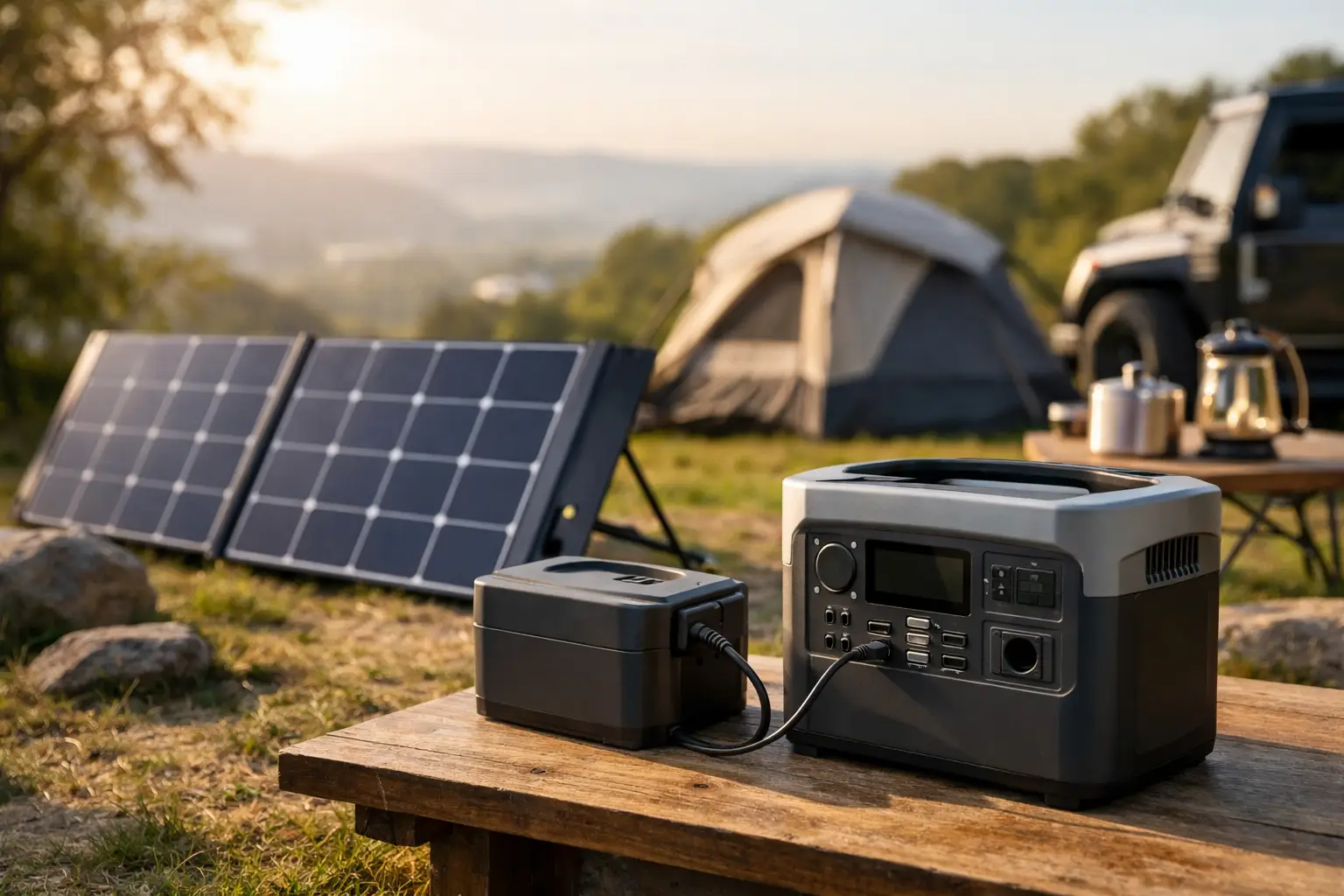
A solar generator gives you stored battery power, usually in a portable unit, and the option to recharge it with solar panels, wall outlets, or car charging. In practical terms, that means no gasoline smell, no engine noise, and no pulling a cord to get started. For people building a quieter, more intentional setup, that convenience is not minor. It is the point.
Where solar generators deliver real value
The strongest argument for buying one is not raw power. It is flexibility.
For campers and travelers, a solar generator keeps your lights, phone, laptop, camera gear, fan, and small cooking or cooling accessories running without turning your campsite into a mechanical zone. For cabin owners, it can cover the basics during short stays or bridge gaps in a modest solar setup. For tiny home living, it can support a more mobile or modular power plan, especially if you are easing into off-grid systems instead of committing to a permanent install right away.
They also make sense for backup use at home. If your area gets outages, a solar generator can keep your router, medical devices, lights, freezer, or phone charged without the hassle of storing fuel. That is especially appealing if you want resilience without the maintenance routine of a traditional generator.
And then there is the emotional value, which people often overlook until they have it. Reliable portable power changes how a place feels. A retreat becomes more usable. A van trip becomes more comfortable. A backyard office becomes more independent. Power is not just about watts. It is about reducing friction.
When the cost feels worth it
Price is usually the sticking point. Solar generators are not cheap, especially if you buy a larger battery and the solar panels to match. That can make them feel like a luxury at first glance.
But the value starts to sharpen when you compare them to the alternatives. Gas generators often cost less upfront, but they come with fuel, noise, maintenance, storage concerns, and limits on where you can use them safely. Whole-home battery systems offer more capacity, but they require a much larger investment and a fixed installation.
Solar generators sit in the middle. They are more expensive than basic fuel-powered backup, but far more convenient for everyday use. They are less powerful than a full home energy system, but much more accessible and portable.
For someone who will use it regularly – on trips, in a cabin, during outages, or as part of a small off-grid setup – the cost often feels justified because the product solves multiple problems at once. It is backup power, mobile power, and a cleaner path toward energy independence.
If you only expect to use it once every two years in an emergency, the math changes. The value is much stronger when the generator is part of your lifestyle, not just an item in storage.
The trade-offs most buyers should know
This is where the answer gets more specific. Solar generators are worth it, but only if you buy for your actual needs instead of your imagined worst-case scenario.
The biggest limitation is capacity. Many people see the word generator and assume they can run everything they own. That is rarely true. Smaller and mid-size units are excellent for devices, lighting, fans, routers, portable fridges, and some kitchen gear. They are not ideal for large air conditioners, electric water heaters, space heaters, or full-size dryers unless you move into a much larger and more expensive system.
Charging time also matters. Solar sounds effortless, but real-world charging depends on panel size, weather, season, and placement. If you are relying heavily on solar input, you need realistic expectations. Cloud cover and shade reduce performance. Winter days are shorter. A compact panel setup may keep up beautifully with light loads, but struggle if you are draining the battery aggressively.
Weight is another factor. Portability sounds simple until your “portable” battery weighs 60 pounds. Some units are easy to move. Others are better described as movable. If you plan to carry it often, size matters as much as output.
Then there is lifespan. Batteries wear down over time, and premium models typically justify their cost with better battery chemistry, longer cycle life, faster charging, and stronger inverter performance. In this category, cheap can become expensive fast.
Are solar generators worth it compared to gas generators?
For many modern buyers, yes – especially if your priorities include quiet, clean indoor-safe battery use, and low maintenance.
Gas generators still win on long-duration heavy output if you can keep fueling them. They are often better for power-hungry tools, larger appliances, and extended emergency use where sunlight is unreliable. If your main goal is brute-force backup for a large home, gas may still have a role.
But that comparison misses why many people now choose solar generators. They are easier to live with. You can use them inside. You can recharge them in multiple ways. You can bring them to a campsite, a cabin, a tiny home, or a guest house without changing the feel of the space.
That quality matters if your version of preparedness includes comfort and simplicity, not just survival. For a lot of Off The Grid Store customers, the better question is not which option creates the most power. It is which one supports the kind of life you are actually trying to build.
Who gets the most from a solar generator
The best buyers tend to fall into a few clear groups.
If you travel often, work remotely from flexible locations, or spend weekends in places that are partly disconnected, a solar generator can become essential surprisingly fast. The same goes for tiny home owners and cabin owners who want modular power without overbuilding their system from day one.
It is also a smart fit for people who want home backup without committing to a permanent battery wall. You get resilience, but on a smaller and more manageable scale.
And if you are drawn to off-grid living because it offers less noise, more agency, and fewer dependencies, a solar generator aligns with that mindset. It supports a quieter kind of independence.
Who may want a different solution
If you need to run central air, full-size kitchen appliances nonstop, electric heating, or a large workshop, a portable solar generator may not be enough on its own. At that point, you are likely looking at a larger fixed solar-and-battery system, a generator-plus-battery setup, or a more comprehensive energy plan.
It may also be the wrong buy if you are choosing based on aesthetics or trend appeal without mapping your actual power needs. These products work best when they are sized with intention. Otherwise, disappointment is almost guaranteed.
The better way to decide
Start with your real use case. What do you need to power, for how long, and how often? Are you covering weekend comfort, emergency essentials, or daily off-grid living? Do you need portability, or just backup? Will you recharge mostly from the wall, from the car, or from solar?
Those questions matter more than brand hype or giant peak watt numbers on a product page. A right-sized setup feels useful immediately. A mismatched one feels expensive.
So, are solar generators worth it? If you want cleaner backup, quieter travel, and a practical step toward energy independence, very often yes. Not because they promise everything, but because they make a more self-directed life easier to actually live.
The smartest off-grid choices are rarely the most dramatic ones. They are the ones you keep using, season after season, because they quietly give you more freedom than you had before.