A quiet cabin morning gets interrupted fast when your phone is at 3 percent, the lights are fading, and the cooler still needs power. That is usually when the question stops being theoretical: solar generator vs power station – which one do you actually need?
The short answer is that many people use these terms as if they mean the same thing. In everyday shopping, they often do. But if you are building a setup for weekend escapes, a tiny home, a van, or a more intentional backup plan at home, the difference matters because it changes what you buy, how you charge it, and how independent your system really is.
What solar generator vs power station really means
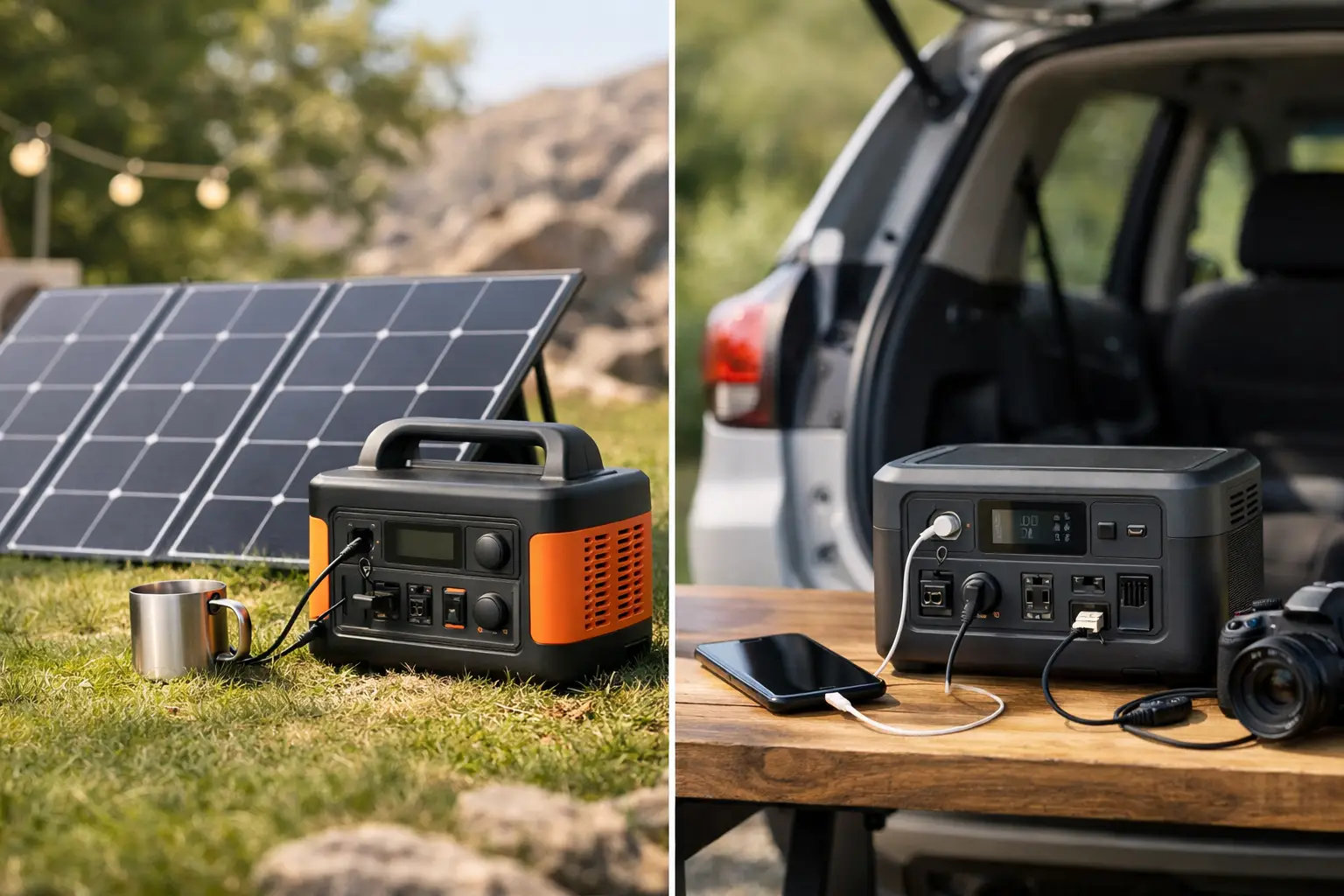
A power station is the core device. It is a portable battery system with outlets that let you run or recharge electronics and appliances. Most include AC outlets, USB ports, and sometimes 12V car-style outputs. Think of it as stored energy in a clean, quiet, user-friendly box.
A solar generator is usually that same power station paired with solar panels, either included in the package or intended to be used together. The word generator can be misleading because nothing is being generated on demand the way a gas generator works. The energy is stored in the battery, then replenished from the sun.
That is why the terms get blurred. A brand may sell a portable power station, but once you connect it to solar panels, many shoppers start calling the whole setup a solar generator. They are not wrong in casual use. Still, the distinction is useful: the power station is the battery unit, and the solar generator is the broader solar-charging system.
Why the difference matters for off-grid living
If your goal is convenience, a power station alone may be enough. You charge it from a wall outlet before a road trip, bring it to camp, and use it for a weekend. It is simple, quiet, and clean.
If your goal is longer independence, a solar generator setup makes more sense because it gives you a way to recharge away from the grid. That is the real shift. You are no longer just carrying stored power with you. You are creating a renewable loop that supports a more self-directed lifestyle.
For many people, this is where off-grid living starts to feel less like a compromise and more like a choice. A battery gets you through a trip. Solar-supported charging extends that freedom.
A power station is best when portability comes first
Power stations shine when you want reliable electricity without noise, fuel, or setup headaches. They are ideal for charging laptops, phones, cameras, routers, lights, portable fridges, and small kitchen gear. For short trips and light daily use, they often cover exactly what people need.
They also work well as apartment-friendly backup power. If the grid goes down for a few hours, a power station can keep essentials running without forcing you into a full home backup system. For people easing into off-grid gear, that simplicity is part of the appeal.
There is a trade-off, though. Once the battery is empty, you need a way to recharge it. If you are not connected to solar, that usually means a wall outlet or vehicle charging. For cabin stays, remote camps, or longer outages, that limit shows up quickly.
A solar generator setup is best when recharge freedom matters
A solar generator setup is the better fit when you want your system to keep working beyond the first battery cycle. That makes it especially attractive for cabins, tiny homes, van travel, outdoor workspaces, and backup plans built around resilience rather than short-term convenience.
The biggest benefit is not just sustainability. It is autonomy. Solar charging lets you stay out longer, rely less on hookups, and reduce the mental load of managing every watt like a countdown clock.
That said, solar is not magic. Performance depends on panel size, battery capacity, weather, season, and how much power you are using each day. If you run a fridge, starlink, lights, and a fan in a shaded campsite, a small panel setup may not keep up. Solar works best when the battery and panel input are sized for your real habits, not your most optimistic assumptions.
The buying mistake people make most often
Most mistakes do not come from choosing the wrong label. They come from choosing the wrong size.
Someone buys a sleek portable unit because it looks clean and capable, then expects it to run high-draw appliances for hours. Or they add a small folding panel and assume they now have endless power. In reality, capacity and input speed matter more than the marketing term on the box.
When comparing options, focus on three things: how much energy the battery stores, how much power the unit can deliver at once, and how fast it can recharge from solar. Those numbers tell you much more than whether a product is called a solar generator or a power station.
How to choose based on your lifestyle
If you take weekend trips and want easy power for devices, lights, and a cooler, a power station may be all you need. Charge it before you leave, keep your setup light, and enjoy the quiet.
If you spend multiple days off-grid, work remotely from the road, or want a cabin system that does not depend on frequent trips back to civilization, a solar generator setup is usually the smarter investment. It gives you a path to recharge where you are, which changes the entire experience.
If you are building a tiny home or a more serious retreat setup, it helps to think one step ahead. Ask not only what you want to power now, but what kind of rhythm you want your space to support. Morning coffee, charged tools, reliable lighting, a fan at night, and enough reserve to feel comfortable rather than cautious – that is a different system than one built only for emergency phone charging.
Solar generator vs power station for common use cases
For travel, the answer depends on trip length and vehicle space. A compact power station is often the better match for short getaways because it is easy to pack and fast to use. For overlanding, vanlife, and longer camping, adding solar gives you more flexibility and fewer recharge stops.
For cabins, solar usually makes more sense. Even if you start with a portable unit, the ability to harvest energy on-site fits the whole point of retreating from constant dependence. You can keep things simple and still create real comfort.
For home backup, a power station can be enough for short outages and essential devices. A solar generator setup adds staying power, especially during longer disruptions, but it requires realistic expectations. Running a full-size air conditioner or electric water heater is a different category entirely.
For tiny homes, either can work, but the decision comes down to whether you want temporary support or an actual part of your daily energy system. If it is part of daily living, solar integration matters much more.
The language can be messy, so shop with clarity
Some brands market almost every battery unit as a solar generator, even when panels are sold separately. Others call everything a portable power station, even when the product is clearly designed for solar charging. That can make comparison harder than it needs to be.
The best approach is to ignore the label for a moment and ask a few practical questions. Does it include solar panels or require them separately? How much battery capacity does it have? What is the solar input limit? Can it support the appliances you care about without strain? Those answers matter more than the naming convention.
At Off The Grid Store, that is the mindset worth keeping. Buy for the life you want to support, not the buzzword that sounds more impressive.
So which one should you choose?
If you want straightforward, portable energy for short-term use, choose a power station. If you want renewable recharging and a stronger sense of independence, choose a solar generator setup. And if you are seeing the same product described both ways, that is not unusual – it often means you are looking at a power station that becomes a solar generator once panels enter the picture.
The better question is not which term wins. It is which setup gives you more freedom with less friction. Choose the one that fits your pace, your space, and the kind of quiet you are trying to protect.