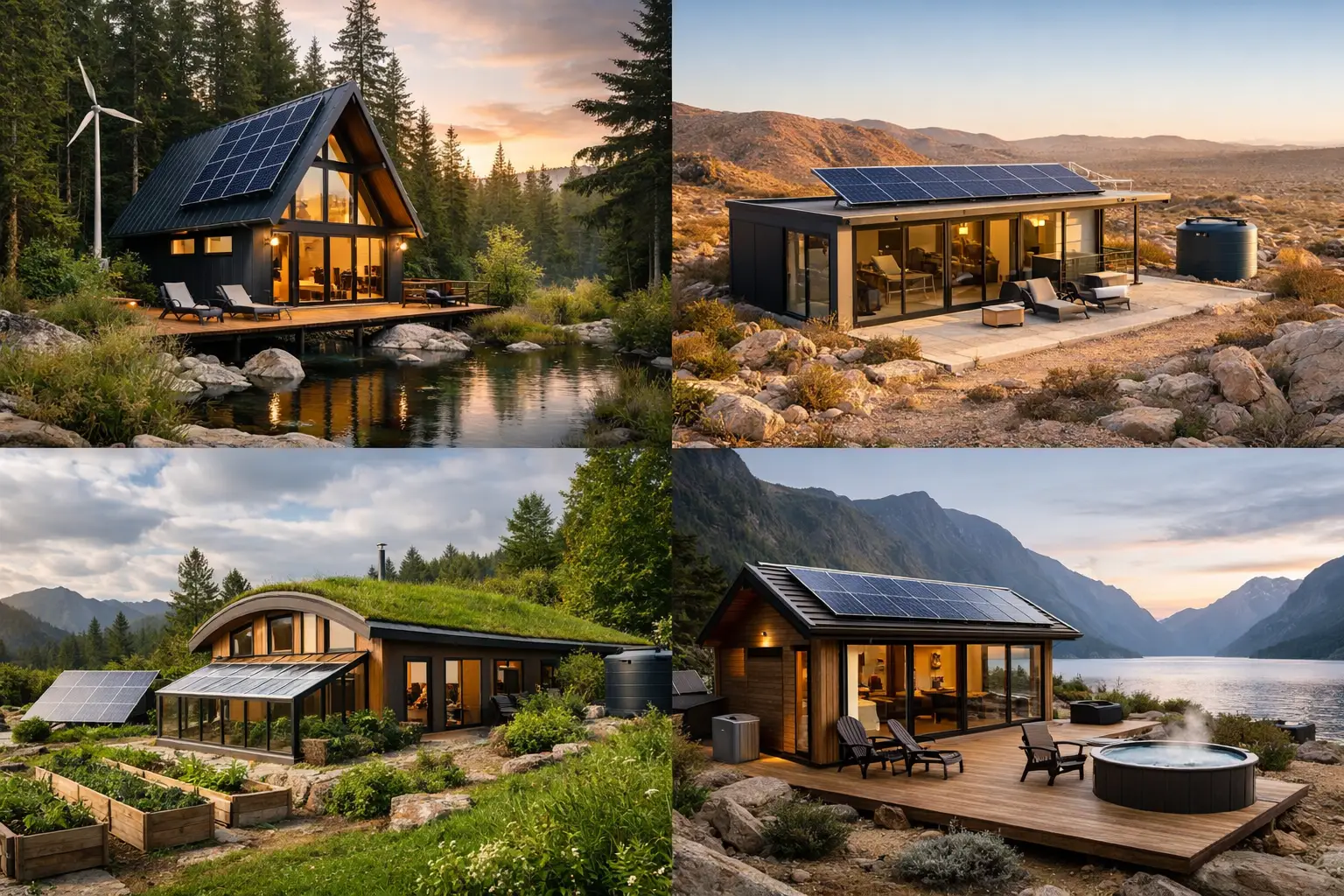
The best modern off grid home ideas do not start with solar panels. They start with a question: what do you want this home to protect you from – noise, high utility costs, constant connectivity, or dependence on systems you do not control? Once that answer is clear, the design gets easier. A strong off-grid home is not a rough compromise. It is a deliberate space built for comfort, resilience, and a little more breathing room.
A lot of people picture off-grid living as either a stripped-down cabin or a high-budget architectural experiment. Most real homes land somewhere in between. The sweet spot is thoughtful design that reduces demand, supports independence, and still feels calm, modern, and easy to live in.
Modern off grid home ideas that improve daily life
The most useful ideas are the ones that make everyday living simpler. Off-grid design works best when it lowers the amount of energy, water, maintenance, and attention your home requires. That is what gives you freedom.
1. Build smaller, but make it feel bigger
A smaller footprint is one of the smartest choices in off-grid design. It lowers heating and cooling loads, reduces material costs, and makes solar and water systems more manageable. But smaller should not feel cramped.
Open sight lines, higher ceilings, large windows, and built-in storage can make a compact home feel surprisingly generous. One well-designed 500 to 800 square foot home often lives better than a larger house with wasted space. The goal is not minimalism for its own sake. It is efficiency without friction.
2. Let passive solar design do more of the work
Modern comfort starts with how the house sits on the land. If you can orient the home to capture winter sun and reduce summer heat gain, your mechanical systems do not have to work as hard. South-facing windows, roof overhangs, thermal mass flooring, and strategic shading can make a big difference.
This is one of the most overlooked modern off grid home ideas because it is less flashy than batteries or appliances. But it can save money upfront and lower long-term energy demand. The trade-off is that site conditions matter. Trees, slope, climate, and local weather patterns all influence what works.
3. Choose an all-electric, solar-ready setup
If your goal is energy independence, all-electric design is often the cleanest path. Induction cooking, efficient mini-splits, heat pump water heaters, and DC-friendly systems pair well with solar and battery storage. You simplify fuel logistics and create a home that can run on one integrated energy system.
That does not mean every home should avoid propane or wood heat. In colder regions, a backup heat source can still make sense. But many people find that a solar-first electric setup gives them the control and simplicity they want, especially for cabins, tiny homes, and weekend retreats.
4. Prioritize insulation over oversized power systems
It is tempting to think bigger solar solves everything. Usually, better insulation is the smarter first move. A tightly built shell with quality windows and air sealing reduces the amount of power you need in the first place.
That changes the math on your entire system. Smaller loads can mean fewer panels, less battery storage, and lower replacement costs later. It may not be the most exciting line item in the budget, but it is one of the most valuable.
Design for independence, not just aesthetics
A modern off-grid home should look good, but the real win is when the design quietly supports your routines. The kitchen works when the power budget is tight. The bathroom still feels comfortable when water use matters. Storage is built around what you actually use.
5. Create a kitchen that respects energy and space
The off-grid kitchen has changed. It no longer has to feel improvised or overly rustic. A modern version is clean, compact, and efficient. Think drawer-style refrigeration, induction cooking, multi-use appliances, and cabinetry that keeps counters clear.
The trick is being honest about how you live. If you cook daily, make the kitchen a priority. If this is a weekend basecamp, you may need less than you think. Energy-hungry appliances are not automatically wrong, but they should earn their place.
6. Use water-smart bathrooms that still feel premium
Water is often the system that shapes off-grid life the most. That is why smart bathroom design matters. Low-flow fixtures, compact layouts, on-demand hot water, and easy-clean materials help reduce waste without making the space feel basic.
Composting toilets appeal to some homeowners because they reduce septic needs and lower water use. Others prefer a conventional septic setup for familiarity and resale value. It depends on your location, budget, and tolerance for hands-on maintenance. There is no single right answer, only the option that best matches your comfort level and property conditions.
7. Design storage into the structure
Clutter feels louder in a small off-grid home. Built-in benches, under-bed drawers, wall niches, mudroom cabinets, and vertical pantry storage can make the home feel calmer without adding square footage.
This matters more than people expect. When your space is limited, every loose item competes with your sense of ease. Good storage is not just about organization. It protects the simplicity you wanted from the start.
Systems that support a modern off-grid lifestyle
The best off-grid homes balance beauty with reliable infrastructure. You do not need to turn your home into a science project, but you do need systems that match your actual use.
8. Build a layered power system
A dependable setup usually includes solar, battery storage, and a backup plan. That backup could be a generator, a secondary charging source, or simply a lower-demand lifestyle with enough reserve built in. Layering matters because weather changes, usage shifts, and real life is rarely perfect.
A weekend cabin can get by with a lighter system than a full-time family home. A home office changes the equation again. If you rely on internet access, refrigeration, medical devices, or climate control, design around your non-negotiables first. Everything else comes after.
9. Think beyond one water source
Rain catchment, wells, storage tanks, filtration, and gray water reuse can all play a role depending on your region. The strongest setups are rarely built around a single point of failure. Even a modest backup water plan adds resilience.
This is where climate makes a huge difference. In some parts of the US, rainwater collection can meaningfully support a household. In others, you will need a well and substantial storage. Modern design here means planning for reliability, not pretending every property has the same natural advantages.
10. Add a flexible indoor-outdoor zone
One of the simplest ways to improve an off-grid home is to extend living space outside. Covered decks, screened porches, outdoor kitchens, and shaded workspaces reduce pressure on the interior and make small homes feel more expansive.
They also support the lifestyle side of off-grid living. Morning coffee outside, gear storage near the entry, a place to rinse off after the trail, or a quiet corner away from screens – these details shape how the home feels to live in. In mild climates, an outdoor room can do as much work as an interior addition for a fraction of the cost.
What separates a good idea from a useful one
The strongest off-grid homes are not built around trends. They are built around trade-offs the owner understands and accepts. Floor-to-ceiling glass looks beautiful, but too much can hurt thermal performance. A bigger battery bank sounds reassuring, but it may be unnecessary if your energy habits are already efficient. Reclaimed materials can add character, but they may also add labor and complexity.
That is why the best approach is usually selective, not extreme. Choose a few high-impact upgrades that support your version of freedom. Maybe that means a compact solar-powered retreat with a refined interior. Maybe it means a family cabin with durable finishes, strong storage, and room to work remotely for a few days at a time. Maybe it means a full-time home designed to keep utility dependence close to zero without sacrificing comfort.
For many people, the modern version of off-grid living is not about disappearing. It is about deciding what gets your energy and what does not. A well-designed home makes that decision easier every day.
If you are planning your own setup, start with the systems and spaces you will rely on most, then build outward with intention. The right home does not just help you live off the grid. It helps you live with more clarity once you get there.